
Best Firming Serum 2026: Which One Is Actually Worth It?
The Medicube EGF NAD+ Firming Serum is the firming serum that independent roundups keep recommending — EGF and NAD+ plus collagen extract and niacinamide, in a light water texture that absorbs fast and suits every skin type, including oily skin.
By the end of this guide, you will know which firming serum fits your skin type and age — and which one to buy instead if it does not, how to use it, and how long to wait before you judge it.
As an Amazon Associate, StyleBloom earns from qualifying purchases.
In a hurry? See the current price on Amazon.
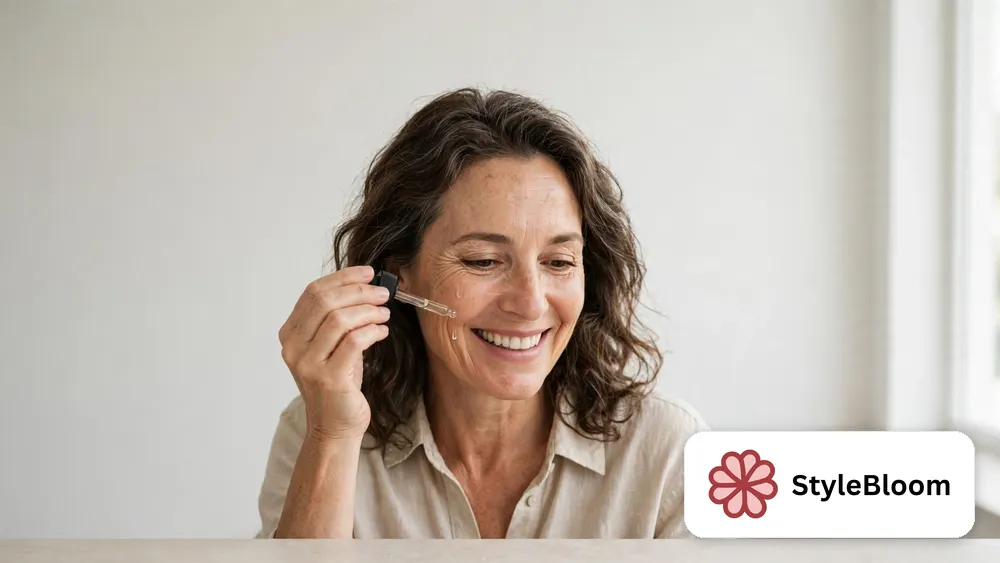
Photo: a botanical Christmas candle — one of the simplest cozy gifts that always works.
As an Amazon Associate, StyleBloom earns from qualifying purchases. This guide contains affiliate links — it costs you nothing extra and keeps our content free.
A firming serum is a leave-on skincare product that goes on your face and neck after cleansing and before moisturizer. It carries active ingredients — EGF, NAD+, peptides, collagen, niacinamide — into the top layers of skin, and it aims to make skin look and feel tighter, smoother, and more elastic. The reason it is one of the most-bought skincare products right now is simple: it promises firmer skin without a procedure, and it does it in a bottle you can use at home.
Most firming-serum articles either repeat the listing or bury you in ten bottles. This one answers a single question — which firming serum is actually worth it for you — with the evidence buyers actually care about: which one fits your skin type and age, who it suits, who it fails, and when to buy a different one instead. Every specification below is attributed to the listing or the outlet that reported it.
First win: Before the first drop, patch test on the inside of your wrist and wait 24 hours. A firming serum goes on your face every day, and a reaction on day one is the fastest way to waste a bottle — and a week of red skin.
- A firming serum is a leave-on cosmetic that hydrates and smooths the surface of skin. It can make skin look plumper and feel tighter for a few hours, but it cannot rebuild the structure of skin the way a professional procedure can — that is the honest limit.
- The pick for most people is the Medicube EGF NAD+ Firming Serum — EGF and NAD+ plus collagen extract and niacinamide, in a light water texture that absorbs fast and suits every skin type, including oily skin.
- The honest limit is proof. NAD+ and EGF are newer skincare ingredients, and independent evidence for them in over-the-counter serums is still limited. The realistic win is plumper, smoother-looking skin from hydration, not visible lifting.
- Best for mature skin, aging skin, and anyone who wants firmer-looking skin without a heavy cream. Skip it if you expect results close to a professional treatment, or if you are pregnant — EGF and NAD+ have no clinical safety data in pregnancy.
- Use it twice a day, morning and night, on clean skin, and give it at least two weeks before you judge it. Consistency is where firmness is actually won.
Quick verdict
If you want one sentence: a firming serum is worth it if you want plumper, smoother-looking skin and you are happy with gradual, modest changes, and it is not worth it if you expect visible lifting or results close to a professional treatment. That split is the whole story of this category. The people who love these serums are the ones who use them twice a day for weeks and accept that the change is subtle. The people who hate them are the ones who expect a facelift in a bottle.
The pick for most people is the Medicube EGF NAD+ Firming Serum. It puts EGF (SH-Oligopeptide-1) and NAD+ (the energy coenzyme) into a light water texture, with collagen extract and niacinamide, and it suits every skin type, including oily skin that finds richer serums too heavy. On Medicube's own testing, smile lines looked softer after two weeks — that is brand-run testing, not an independent trial, and I label it as such. See the Medicube EGF NAD+ Firming Serum on Amazon to check the current listings and price.
If you want the most complete active blend, the meimei EGF NAD+ Firming Serum is the winner in the independent 90-day test that compared four NAD+ serums. It pairs EGF with NAD+, low molecular collagen and 8 peptides, and its self-perception study reports firmer, bouncier skin in two weeks. It is only sold on the official meimei site, not on Amazon, so you buy it direct.
What is a firming serum?
A firming serum is a leave-on skincare product that goes on your face (and often your neck) after cleansing and before moisturizer. It is a concentrated liquid — usually a watery or gel texture — that carries active ingredients into the top layers of skin.
The actives that matter most are the ones you can verify. EGF (epidermal growth factor, usually listed as SH-Oligopeptide-1) is a signalling protein your skin makes naturally, involved in renewal and repair. NAD+ (nicotinamide adenine dinucleotide) is a coenzyme your cells use for energy. Peptides are short chains of amino acids that signal skin to make collagen. Collagen extract plumps the surface. Niacinamide (vitamin B3) brightens and reinforces the barrier. Hyaluronic acid holds water in the top layers, which is what makes skin look plumper. A serum that names its actives is a serum you can judge. A serum that only says “anti-aging” and names nothing is a serum you should not buy.
Not all peptides do the same job. Matrixyl 3000 — palmitoyl tripeptide-1 and palmitoyl tetrapeptide-7 together — is the best-known collagen-signaling peptide: it tells skin to make collagen, which is the job that firms. Syn-Coll, or palmitoyl tripeptide-5, is a second collagen signal that works through a different pathway, so the two cover more ground together. Expression-line peptides such as acetyl hexapeptide-8 and Argireline do a different job — they relax the muscles behind movement lines, and they do not signal collagen, so a serum built only on them will not firm. Acids can also undo the work: exfoliating acids can break the bonds that hold peptides together, and two of the five serums in the 2026 peptide roundup bottle their peptides with glycolic, PHA or salicylic acid anyway. DMAE is another name you will see — DMAE serums exist in 4 to 8 percent formulas, but the studies behind them are still limited. And the copper peptide GHK-Cu is the signal skin uses to rebuild its own collagen and elastin — by 60 you have less than half the amount you had at 20, according to the sagging-face roundup — but copper peptides should not be layered with vitamin C or retinol in the same routine.
The two numbers that matter most are the concentration and the texture. Concentration is how much of the active is in the bottle, and most listings hide it. Medicube states its EGF at 2.5 ppm and its NAD+ at 1 ppm — small, honest numbers, because EGF and NAD+ work at very low concentrations.
The feature that decides whether you keep using it is how it layers. A firming serum goes on after cleansing and before moisturizer, and it has to play nicely with the rest of your routine. Medicube's serum does not conflict with vitamin C, exfoliating acids, or retinoids, so it slots under an evening retinoid as easily as a morning vitamin C. If a serum pills (rolls into little balls) under your moisturizer or your makeup, you will stop using it, no matter how good the actives are.
How we picked these (honest version)
I do not run a skincare lab, and this guide does not pretend I do. Where those sources disagree, I say so. That is the honest version.
The picks in the comparison table were chosen by the job, not by the price. The Medicube EGF NAD+ Firming Serum is the best overall because it has the clearest active list, a light texture that suits every skin type, and the most transparent testing. The meimei EGF NAD+ Firming Serum is the best for the most complete active blend. The numbuzin serum is the best for peptides. The RoC firming serum stick is the best for a stick format that targets the neck and jawline. The Olay Regenerist is the best for a drugstore pick with collagen peptides. The ZO Firming Serum is the best for a clinical brand. Each pick is named so you can see what you give up and what you gain.
I also read the buying keywords. The SBMM expansion for "firming serum" returned 949 related keywords, and the buying-intent ones cluster into five clear questions: which is best for aging skin, which is best for face and neck, which is best for mature skin, which is best for jowls, and which is best for the face. This guide answers those five directly. For a nighttime routine that protects your skin while you sleep, see the best satin bonnet for sleeping to pair with your serum. For Australian readers, the best hair serum Australia guide pairs with this one.
At a glance — the best firming serums
Here is the decision in one table. The Medicube EGF NAD+ Firming Serum is the pick for most people. The meimei EGF NAD+ Firming Serum is the pick for the most complete active blend. The numbuzin serum is the pick for peptides. The RoC stick is the pick for the neck and jawline. The Olay Regenerist is the pick for a drugstore price. The ZO Firming Serum is the pick for a clinical brand.
| Serum | Best for | Key actives | Texture | Watch out for |
|---|---|---|---|---|
| Medicube EGF NAD+ | Most people (best overall) | EGF, NAD+, collagen, niacinamide | Light water | Brand-run testing only; few reviews |
| meimei EGF NAD+ | Most complete blend | EGF, NAD+, collagen, 8 peptides | Light | Official site only; not on Amazon |
| numbuzin | Peptides | NAD+, 50 peptides | Light | Peptide-heavy; less collagen |
| RoC firming stick | Neck and jawline | — | Stick | Stick format; small coverage area |
| Olay Regenerist | Drugstore pick | Collagen peptides | Light | Fewer headline actives |
| ZO Firming Serum | Clinical brand | — | — | Premium price; clinical only |
Read the Medicube row and the meimei row together. They are the two most complete serums, and the choice between them is the choice between a serum you can buy on Amazon (Medicube) and a serum with the most complete active blend that you can only buy direct (meimei). If you want the easiest purchase, Medicube is the better buy. If you want the most actives in one bottle, meimei is the better buy. A serum that hides its ingredients is hiding something.
Each Amazon link in this guide is a live search link, so you see the current listings and price at the moment you click. As an Amazon Associate, StyleBloom earns from qualifying purchases — the links cost you nothing extra, and they are how this free guide is funded.
What buyers actually say
Reviewers agree on three things about firming serums, and the agreement is consistent across the roundups. First, the texture decides whether the serum gets used. A light water texture that absorbs fast and leaves no sticky layer is the one that becomes a daily habit. Medicube's serum is the most commonly cited for this — reviewers say it spreads easily, absorbs within moments, and leaves no tacky film, which makes it excellent for layering under makeup. A thick, rich serum that sits on the skin is the one that gets used for a week and then sits in the drawer.
Second, the results are gradual, and the honest reviewers say so. No serum proves itself on day one, whatever the box claims. The good ones earn their place over weeks of morning and night routines, in real light, on real skin. By week four, the fine lines around the eyes and mouth start to soften. By week eight, the firmness gains are hard to miss — the jaw and cheeks feel tighter and springier.
Third, the realistic win is hydration and smoothness, not lifting. Reviewers who have used the Medicube serum for weeks report that their skin feels more hydrated and looks a little smoother. They do not report a facelift. The NAD EGF review that rated the category 3.5 out of 5 put it plainly: the realistic win is plumper, smoother-looking skin from hydration, niacinamide and hyaluronic acid, and deep firming or lifting is a bigger claim that cosmetic serums rarely deliver. That is not a reason to skip a firming serum — it is a reason to buy one with honest expectations, and to judge it on hydration and smoothness, not on lifting.
The complaints are just as consistent. The most common is that the firming effects develop slowly, and some reviewers give up before the two-week mark. The second is that a serum with EGF and NAD+ has very few reviews, so there is not much social proof to judge it by — Medicube's site has only 2 reviews, which is nearly empty. The third is that the clinical claims come from the brand's own institute, not from an independent trial, so the numbers (like 8.7% softer smile lines) are brand-run testing. For skin that needs a gentler approach, the best scalp serum guide covers keeping skin healthy from the scalp down, and the rosemary water for hair loss guide covers a natural rinse that keeps hair and scalp strong.
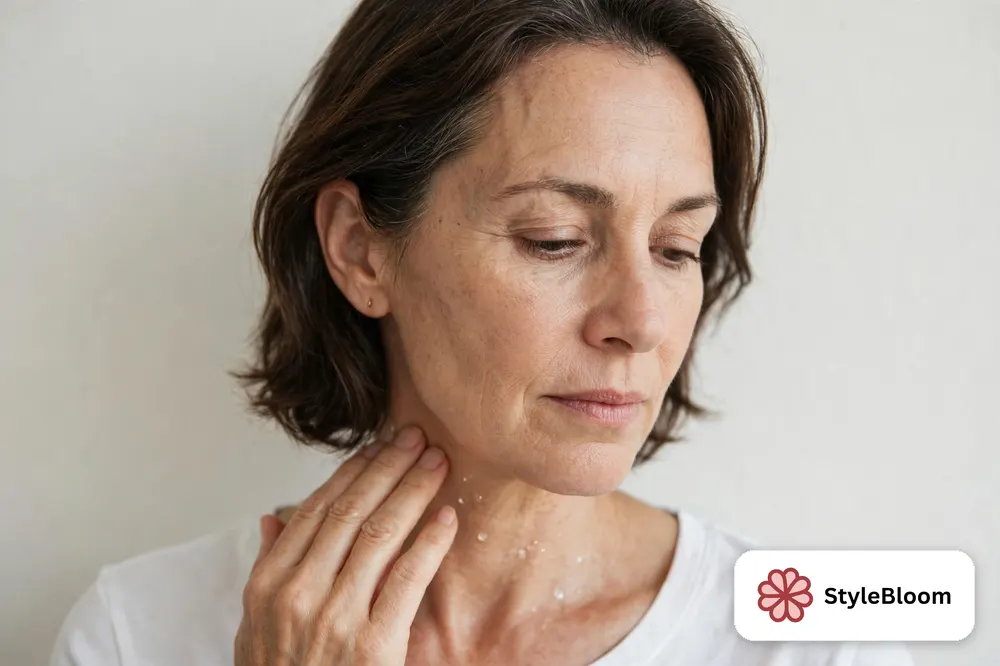
The honest strengths
Real actives, named on the label. This is the serum's real strength. Medicube names its actives outright — EGF at 2.5 ppm, NAD+ at 1 ppm, collagen extract, niacinamide, and ectoin — instead of a vague “anti-aging complex.” Meimei names EGF, NAD+, low molecular collagen, and 8 peptides. A serum that names its actives is a serum you can judge, and a serum that hides them is a serum you should not buy.
A light texture that suits every skin type, including oily skin. Firming serums are often thick and rich, which suits dry skin and leaves oily and combination skin skipping the step. Medicube's serum is a light water texture that absorbs fast and leaves no sticky layer, so it suits every skin type, including oily skin that wants firmness without weight. That matters because oily skin still ages, and it still needs firming actives — it just needs them in a texture that does not add grease. Pair it with a best hair serum for frizzy hair for a full routine that does not weigh you down, and the best hair growth serum guide for healthy hair to match.
Hydration that shows in days, not months. The first thing reviewers notice is hydration — within a few days the skin feels softer and a little brighter. Hydrated skin looks plumper, and plumper skin looks firmer, even before the deeper actives have had time to work. That early hydration is the reason people keep using the serum long enough for the firming actives to matter.
It layers under everything, including makeup. A firming serum that absorbs in moments and leaves no tacky film is one you can layer under moisturizer, under sunscreen, and under makeup without pilling. Medicube's serum is the most commonly cited for this — reviewers say it absorbs quickly and does not leave a greasy residue. That is the feature that makes a serum a daily habit instead of a nighttime-only product.
It plays nicely with the rest of your routine. Nothing in Medicube's formula conflicts with vitamin C, exfoliating acids, or retinoids, so it slots under an evening retinoid as easily as a morning vitamin C. That matters because most people already have a routine, and a serum that forces you to change everything else is a serum you will not keep. Use it after cleansing, before moisturizer, morning and night.
A money-back guarantee that gives you real time. Meimei backs its serum with a 60-day money-back guarantee, so you have real time to see whether it works before you commit.

The honest weaknesses
It cannot lift or rebuild skin structure. This is the most important weakness in this guide. A firming serum is a cosmetic, not a medical treatment. It can change how skin looks and feels, mostly through hydration and surface smoothing. It cannot rebuild the structure of skin the way a professional procedure can. If you have significant sagging or jowls, a serum will not fix them — it will make the skin look a little smoother and feel a little tighter, and that is all.
The evidence for NAD+ and EGF in over-the-counter serums is still limited. NAD+ and EGF built their reputations in clinical and wound-healing research, and topical study of them is still developing.
Very few reviews, so there is not much social proof. Medicube's site has only 2 reviews, which is nearly empty. That means there is not much to tell you how the serum wears over weeks, or whether the results are consistent across different skin types. A serum with thousands of reviews is easier to judge than one with two. That is not a defect in the serum itself, but it is a limitation in the evidence, and it is why you should patch test and give it two weeks before you decide.
The clinical claims come from the brand's own institute. Medicube's testing was carried out by the Global Institute of Dermatological Sciences, and the numbers (smile lines 8.7% softer, neck lines 5.38% softer after two weeks) are brand-run testing, not an independent trial. The participant count is not published. The same applies to meimei's self-perception study — it is the brand's own study, and the results are what the brand reports.
It takes weeks, and many people give up too early. A firming serum needs at least two weeks before you can judge it, and the full effect takes eight weeks. Many people give up after a few days because they do not see lifting, and they conclude the serum does not work. Store it where you will see it every morning — the small bedroom storage ideas guide shows where to keep skincare so it becomes a habit.
Who it is best for
Best for: mature skin and aging skin. If your skin has started to look tired and less taut than it used to, and you want firmer-looking skin without a heavy cream, a firming serum is the tool for that job.
Best for: face and neck together. If you want one product for your face and your neck, the Medicube serum is built for both — the same bottle goes on your face, your neck, and even your body. The neck is where aging shows first, and most people forget it. A serum that covers the neck as well as the face is a serum that does the whole job, not half of it. See a firming serum for face and neck on Amazon to compare the options.
Best for: oily and combination skin that finds richer serums too heavy. If your skin is oily, most firming serums are too rich and you skip the step. Medicube's light water texture absorbs fast and leaves no sticky layer, so it suits oily skin that wants firmness without weight.
Best for: anyone who wants firming actives without a heavy cream. If you do not like rich creams, or you live in a hot climate where a heavy cream feels wrong, a light serum is the way to get firming actives without the weight. Use it under your moisturizer, and you get the actives without changing the feel of your routine.
Best for: people in their thirties and beyond who want to look after firmness early. EGF is marketed at mature skin because firmness is the concern that grows with age, but the light texture and niacinamide suit younger skin that wants to look after firmness early. If you are in your thirties and you want to start firming care before the sagging shows, a light serum is the right place to start. For mature skin over 50, see a firming serum for mature skin on Amazon.
Best for: sensitive skin that needs a barrier-friendly formula. If your skin is sensitive, a serum with a barrier-friendly formula that plays nicely with your other products is the one you can actually use. Medicube's serum is non-comedogenic and irritation checked, and it does not conflict with vitamin C, acids, or retinoids. That is the formula that works for sensitive skin without causing redness.
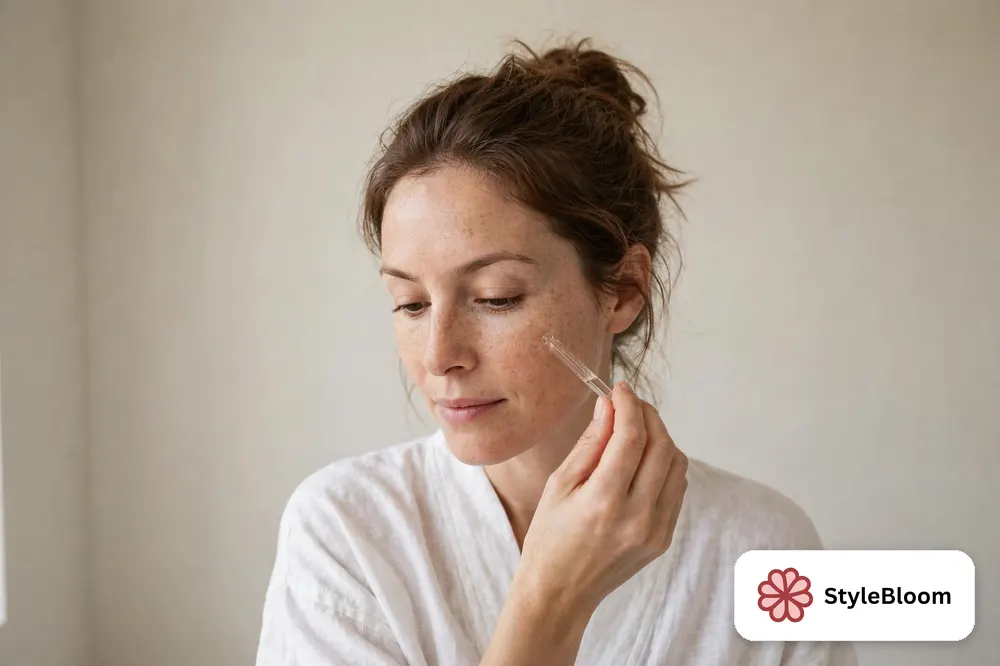
Who should skip this
Skip a firming serum with EGF and NAD+ if you are pregnant. EGF and NAD+ are newer skincare ingredients with no clinical safety data in pregnancy, and the brand itself recommends pausing them. For firmness and hydration while pregnant, a serum built on peptides, hyaluronic acid, or niacinamide without growth factors is the better choice. Do not use a growth-factor serum while pregnant, even if the rest of the formula looks gentle.
Skip it if you expect results close to a professional treatment. A firming serum is a cosmetic, and it cannot lift jowls or rebuild skin structure. If you have significant sagging and you want a visible lift, a serum will not give it to you, and you will be disappointed. A professional procedure is the only thing that lifts, and a serum is not a substitute for it.
Skip it if you are not willing to use it twice a day for at least two weeks. A firming serum needs consistency to work, and if you will use it once and then forget it, you will not see what it can do.
Red flags
It says "anti-aging" but never names a single active. If a firming serum listing says "anti-aging" and does not name any active ingredient, be suspicious. A real firming serum names its actives — EGF, NAD+, peptides, collagen, niacinamide, retinol, bakuchiol — so you can judge what it does. A serum that hides its ingredients is hiding something.
No real brand, no guarantee, no support. If a serum has no real brand behind it, no money-back guarantee, and no way to contact the company, do not buy it. Meimei gives a 60-day money-back guarantee. A serum with no brand and no guarantee is a serum you cannot return if it does not work, and you should not risk your face on it.
It promises lifting or a facelift in a bottle. If a listing promises "visible lifting," "instant facelift," or "sagging gone," be suspicious. A cosmetic serum cannot lift skin or rebuild its structure. Those are medical claims, and a cosmetic cannot make them. A serum that promises lifting is either lying or using words it does not understand, and either way you should not buy it. The honest claim is "firmer-looking skin" and "smoother texture," not "lifting."
It hides the concentration or the full ingredient list. If a serum does not publish its active concentrations or its full ingredient list, you cannot compare it to anything else. Medicube publishes EGF at 2.5 ppm and NAD+ at 1 ppm. A listing that hides the concentration is not giving you the information you need, and you should not buy it.
Setting it up: the first use
The first use is the one that teaches you whether the serum suits your skin, so do it slowly. Cleanse your face and neck, pat them dry, and put two to three drops of serum on your fingertips. Press it into your face — do not rub it in hard, just press it gently so it absorbs. Then do the same on your neck, working upward from the collarbone to the jawline. Wait a minute for it to absorb, then apply your moisturizer on top.
Patch test first. Put a small amount on the inside of your wrist and wait 24 hours. If there is no redness, itching, or irritation, it is safe to use on your face. If your skin reacts, do not use it — return it if there is a guarantee, and try a serum without growth factors instead. A patch test is the fastest way to avoid a week of red skin, and it costs you nothing. For a gentle alternative, the bakuchiol firming serum on Amazon is a plant-based option that is gentler on sensitive skin.
Do one side of your face first if you want to compare. Put the serum on one cheek and not the other, and look in the mirror after a week. That way you can see whether the serum is actually doing something. Once you are happy with it, use it on your whole face and neck, morning and night.
How to use and care for it
Use it twice a day, morning and night, on clean skin. Cleanse first, then apply the serum, then moisturizer, then sunscreen in the morning.
Store it in a cool, dry place, away from direct sunlight. Do not leave it in a hot bathroom or on a sunny windowsill — heat and light break down the actives, especially EGF and NAD+. A bedroom drawer or a cool shelf is the right place. Keep the cap on tightly. The microfiber cleaning guide shows how to keep your vanity clean so the serum stays clean too.
Replace the bottle when it runs out, and do not use it past its expiry date. A serum that has expired or been open for more than a year may have lost its potency. Most serums last six to twelve months after opening. If the serum changes colour, smells different, or feels different on your skin, stop using it and replace it.
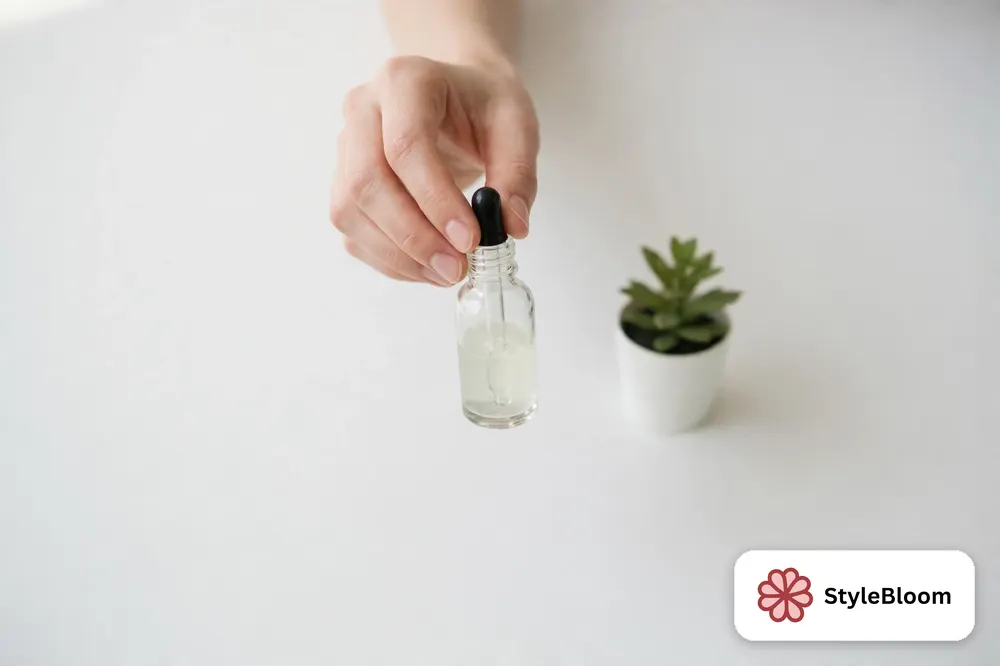
When to spend more: the alternatives
Medicube EGF NAD+ Firming Serum (best overall). EGF and NAD+ plus collagen extract and niacinamide, in a light water texture that absorbs fast and suits every skin type, including oily skin. See the Medicube EGF NAD+ Firming Serum on Amazon.
meimei EGF NAD+ Firming Serum (best for the most complete blend). EGF, NAD+, low molecular collagen, and 8 peptides, with a 60-day money-back guarantee. See the meimei EGF NAD+ Firming Serum on Amazon.
numbuzin firming serum (best for peptides). NAD+ and 50 peptides, with a real lift along the jawline reported in the 90-day test. See the numbuzin firming serum on Amazon.
RoC firming serum stick (best for neck and jawline). A stick format that targets the neck and jawline directly, easy to apply and easy to carry. Buy it if you want a stick for the neck and you like the RoC brand.
If jowls are the problem, the Murad Retinal ReSculpt is the jowls-specific option. It pairs encapsulated retinal — one step more potent than retinol — with NAD+ for the lower face and neck, and its maker says it visibly lifts and firms in four weeks. It does not rebuild the structure under the skin — no serum does — but it is the one formula in the 2026 roundups built for the jawline rather than the whole face. See the RoC firming serum stick on Amazon.
Olay Regenerist Active Firming Serum (best drugstore pick). Collagen peptides in a light texture, from a drugstore brand you can trust. See the Olay Regenerist firming serum on Amazon.
ZO Firming Serum (best clinical brand). A clinical-brand firming serum for people who want a dermatologist-backed product. In the brand's clinical studies, 97% of users saw firmer skin by week 12.
Three more names the 2026 roundups keep citing. The Ordinary Multi-Peptide + HA Serum is the budget peptide name — a multi-peptide formula with hyaluronic acid for a fraction of the premium prices. The Obagi ELASTIDERM Facial Serum is the clinical-grade option, built around elastin support. And the eqqualberry NAD+ Peptide Boosting Serum is the other Korean NAD+ option — NAD+ with NMN and 14 peptides. See the ZO firming serum on Amazon.
The 2026 peptide roundup ranked five serums on the peptides inside and nothing else. Its top pick is the Dear Alchemist Peptide+ Firming Serum — Matrixyl 3000 plus Syn-Coll plus centella, the only one of the five that met all five of its criteria — but it is sold direct only, not on Amazon. Second is Medik8 Liquid Peptides, which carries Matrixyl 3000 but has no calming botanicals, and two roundups flagged it for sensitive skin. Third is Eighth Day The Regenerative Serum, which pairs a peptide blend with glycolic acid in the same bottle — the acid that can break peptide bonds. Fourth is The Ordinary Multi-Peptide + Copper Peptides 1% Serum — a different formula from the HA serum named above — which carries Matrixyl 3000 and copper peptides but comes with a do-not-mix list: no vitamin C, acids or retinoids alongside it. Fifth is SkinCeuticals P-Tiox, which carries only two expression-line peptides and no collagen signal at all. One more single vote: Dr.Nore HydroPeptin 5, a five-peptide formula with Matrixyl 3000 and Argireline, scored 4.8 out of 5 in one reviewer's 70-day test — one reviewer's result, not a consensus.
The sagging-face roundup tested 30 serums on 52 women for 12 weeks and ranked five. Its top pick is the VivaBloom Facial Serum — the only serum in that test with copper peptide GHK-Cu, scored 9.7 out of 10, with a 90-day money-back guarantee — but the page carries paid-campaign URL parameters and reads as an advertorial, so treat it as one vote, not a consensus. Second is the Olay Regenerist Micro-Sculpting Cream, already in this guide. Third is the RoC Retinol Correxion Deep Wrinkle Serum, also already here. Fourth is Plexaderm Rapid Reduction Serum, which visibly tightens in about ten minutes — but it works by drying a mineral film on the skin, and the brand says plainly that its results are not permanent. Fifth is DermaBright MD, a vitamin C and hyaluronic acid serum made for dark spots, not for sagging.
The Derm Review's best treatment is not a cream at all — it is the Carrot & Stick Repair Serum, built on seven plant-based neuropeptides plus synthesized growth factors, and the review recommends a serum first because serums penetrate deeper and carry a higher concentration of actives than creams. The luxury roundups add a separate shelf: the ELEMIS Pro-Collagen Future Restore Serum is their best firming feel, built on an Opal Skin Algae Complex; the Sulwhasoo Concentrated Ginseng Rejuvenating Serum is their best for mature skin; the La Prairie Skin Caviar Liquid Lift is the most indulgent; the SkinCeuticals A.G.E. Interrupter targets the glycation damage that excess sugar does to collagen and elastin; and the StriVectin-AR Advanced Retinol Intensive Night Moisturizer pairs retinol with NIA-114 to soften the irritation retinol usually brings. None of these replaces the honest rule — a serum improves the look of firmness, it does not rebuild structure.
What to try first: Patch test on your wrist for 24 hours, then use two to three drops on your face and neck, morning and night, for two weeks. Good looks like: skin that feels softer and looks a little brighter in days, and fine lines that start to soften by week four. If it fails: your skin will react within the first few uses — re-pick by the alternatives section. Learn next: Best Satin Bonnet for Sleeping — protecting your skin overnight while the serum works.
Frequently asked questions
- What is the best firming serum for aging skin?
- The Medicube EGF NAD+ Firming Serum is the best overall pick for aging skin, because it has the clearest active list (EGF, NAD+, collagen, niacinamide) in a light texture that suits every skin type. The meimei EGF NAD+ Firming Serum is the best for the most complete active blend.
- What is the best firming serum for face and neck?
- The Medicube EGF NAD+ Firming Serum, because it is built for face, neck, and body in one bottle. A serum that covers the neck as well as the face does the whole job. Apply it to your neck working upward from the collarbone to the jawline, morning and night.
- What is the best firming serum for mature skin?
- The Medicube EGF NAD+ Firming Serum is the best overall for mature skin, and the meimei EGF NAD+ Firming Serum is the best for the most complete blend. A light water texture is better than a heavy cream if you will use it twice a day.
- What is the best firming serum for jowls?
- No firming serum can lift jowls. A serum is a cosmetic, and it cannot rebuild the structure of skin or lift sagging tissue. The honest answer is that a serum will make the skin around the jaw look a little smoother and feel a little tighter, but it will not lift jowls. The closest thing to a jowls-specific serum is the Murad Retinal ReSculpt — encapsulated retinal with NAD+, made for the jawline and neck — but even it only improves the look, it does not lift. If jowls are your main concern, a serum is not the tool — a professional procedure is the only thing that lifts.
- How long does it take for a firming serum to work?
- Hydration shows in days — your skin feels softer and looks a little brighter within a few days. Fine lines start to soften by week four. Firmness gains are hard to miss by week eight. That is the timeline for a real firming serum. Give it at least two weeks before you judge it, and eight weeks for the full effect. Peptide and collagen support work on an eight-to-twelve-week timeline, not overnight — and two ingredients the roundups keep naming are copper peptides, which support the skin's own collagen repair and should not be layered with Vitamin C or retinol in the same routine, and retinal, one step more potent than retinol. Collagen-signaling peptides such as Matrixyl 3000 are the ones that firm — expression-line peptides only relax movement lines, so check which kind a serum carries.
- Can I use a firming serum during pregnancy?
- Not one with EGF and NAD+. EGF and NAD+ are newer skincare ingredients with no clinical safety data in pregnancy, and the brand itself recommends pausing them. For firmness and hydration while pregnant, a serum built on peptides, hyaluronic acid, or niacinamide without growth factors is the better choice. Talk to your doctor if you are unsure.
- Is the Medicube EGF NAD+ Firming Serum good?
- Yes, for the right person. It has the clearest active list in its category, a light texture that suits every skin type, and it is non-comedogenic and irritation checked. The honest limits are that its clinical claims come from the brand's own institute (not an independent trial) and it has very few reviews on the site.
- What is the difference between ZO Firming Serum and ZO Growth Factor Serum?
- They are two different products from the same clinical brand. The ZO Firming Serum is a firming serum built for tightening and smoothing. The ZO Growth Factor Serum is built around growth factors for renewal. The firming serum is the one for firmness and elasticity. The growth factor serum is the one for renewal and repair. If firmness is your main concern, the firming serum is the right one.
- What is RoC firming serum stick used for?
- The RoC firming serum stick is used for the neck and jawline. It is a stick format, so you glide it directly onto the neck and jawline, where aging shows first. It is easy to apply, easy to carry, and it targets a small area precisely. Use it on the neck working upward from the collarbone to the jawline, morning and night. It is not a full-face serum — it is a targeted stick for the neck and jaw.
- What is firming bakuchiol serum for?
- Bakuchiol is a plant-based alternative to retinol that is gentler on sensitive skin. A firming bakuchiol serum is for people who want the firming and smoothing benefits of retinol without the irritation. If retinol irritates your skin, bakuchiol is the gentler alternative.
- Does a firming serum work on the body?
- Yes, some firming serums are built for face, neck, and body in one bottle. The Medicube EGF NAD+ Firming Serum is one — the same bottle goes on your face, your neck, and your body. A body firming serum is for skin on the arms, legs, and stomach that has lost firmness. Use it the same way as a face serum: on clean skin, twice a day, and give it at least two weeks. For a body option, see a firming serum for body on Amazon.
- What is the best firming serum for sensitive skin?
- The Medicube EGF NAD+ Firming Serum, because it is non-comedogenic, irritation checked, and has a barrier-friendly formula that plays nicely with vitamin C, acids, and retinoids. For sensitive skin, look for a serum that is fragrance-free, non-comedogenic, and irritation checked, and patch test it on your wrist for 24 hours before you use it on your face. If EGF and NAD+ worry you, a bakuchiol serum is a gentler alternative.