
Best Hair Serum for Frizzy Hair (2026)
Twelve serums compared on real retailer prices, hair-type fit, and verified heat-protection claims — so you buy the weight your hair needs, not the loudest bottle.
By the end of this guide, you will know which serum weight suits your hair, how much to use, whether you need heat protection, and which bottles are not worth your money.
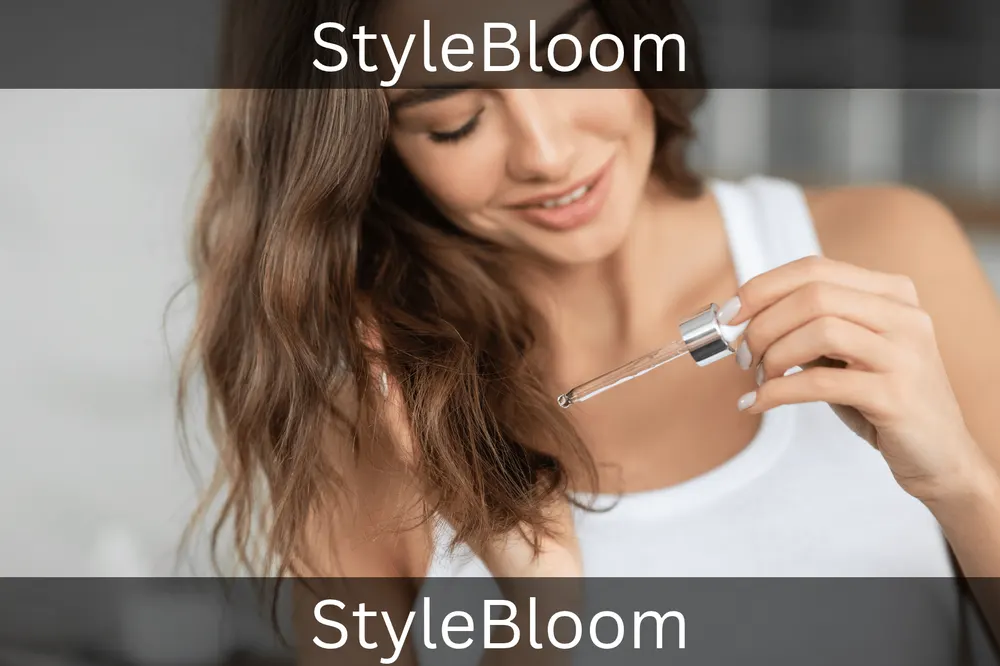
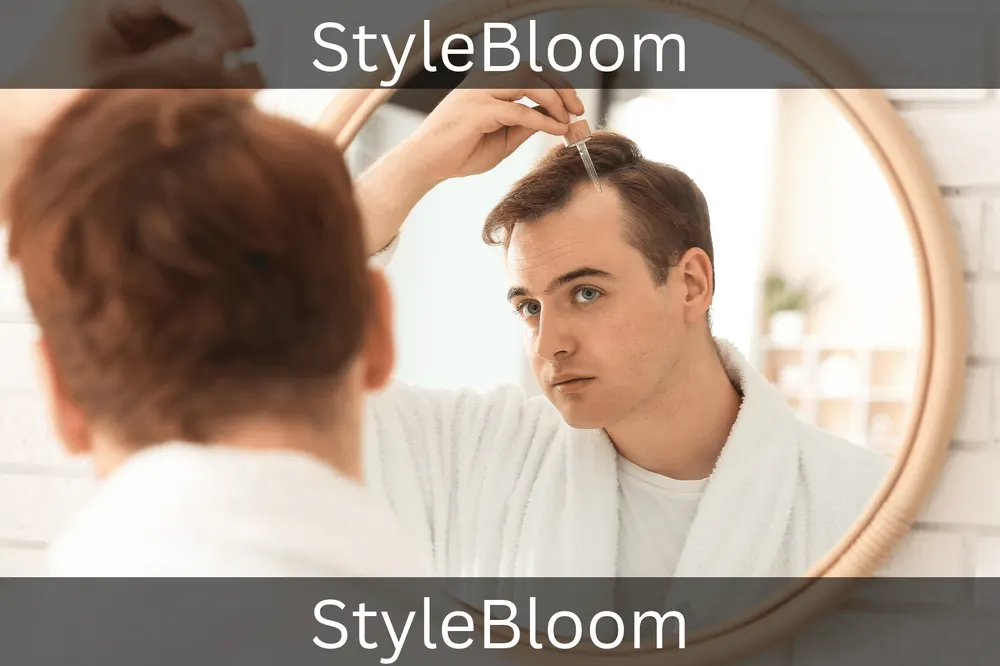
Holding a dropper above the ends, about to apply. Serum goes on damp mid-lengths and ends — never on the roots.
As an Amazon Associate, StyleBloom earns from qualifying purchases. This guide contains affiliate links — it costs you nothing extra and keeps our content free.
The best hair serum for frizzy hair is the one whose weight matches your hair. Fine hair needs a feather-light, water-based or silicone-free serum used sparingly; thick or coarse hair needs a real oil it can absorb; curly hair needs a serum that defines without crunch; and damaged hair needs bond repair plus genuine heat protection before anything else. Buy the wrong weight and the serum itself becomes the problem — flat roots on fine hair, or frizz returning by lunchtime on thick hair.
This guide compares twelve serums and sprays on evidence you can check: prices seen at named US retailers on October 31, 2026, heat-protection temperatures only where a manufacturer's own listing states them, and brand claims labelled as brand claims. No price here came from an AI summary — the summaries we checked contradicted themselves on the same products. Every figure below names its retailer, and anything we could not verify was cut rather than guessed.
One honesty note before the table: frizz is not one problem. Humidity frizz, damage frizz, and dryness frizz look alike and need different fixes. A serum seals the shaft against humidity and smooths the cuticle; it does not repair a broken bond or replace conditioner. The sections below say which kind of frizz each pick actually helps.
How we compared these serums
Every price here was read from a named retailer or brand listing on October 31, 2026. Where two US retailers disagreed, the table shows the range and names both. Where no US listing price could be verified — IGK CryBaby and L'Oréal Extraordinary Oil — the table says so plainly. Prices move, often weekly; use the Check Price link for the live figure before you buy.
Heat-protection temperatures were treated the same way. Only one serum here carries a temperature claim verified from the manufacturer's own copy: Olaplex No. 9, up to 450°F. Other products in the same brand families carry 450°F claims on sprays, not serums, and those claims are not transferred here.
Brand claims are labelled as brand claims throughout. "Up to 72 hours of frizz control" appears twice, from two brands, with different conditions — Garnier's applies to its shampoo, conditioner, and serum used as a system, and Curlsmith's rests on third-party testing against a control. Both are the brands' words, not independent test results.
The ranking below is by fit — hair type, frizz type, and verified function — with each pick's honest drawback named beside it.
At a glance — the 12 serums
Prices checked October 31, 2026. "Check price" links go to Amazon search results for that product; the live price on the listing is the one that counts.
| Serum | Size | Price checked Oct 31, 2026 | Best for | Check price |
|---|---|---|---|---|
| Garnier Fructis Sleek & Shine Anti-Frizz Serum | 5.1 fl oz | $6.99 at Target | Budget pick, all hair types | Check price |
| L'Oréal Dream Lengths Frizz Killer Serum | 3.4 fl oz | $7.99 at Target | Budget L'Oréal pick, long hair | Check price |
| L'Oréal EverPure Bond Repair Oil-in-Serum | 1.6 fl oz | $9.99 at Target; $12.99 at lorealparisusa.com | Damaged hair, heat protection | Check price |
| John Frieda Frizz Ease The Controller Extra Strength | 1.69 fl oz | $9.89 at Target (was $10.99) | Drugstore control, humidity | Check price |
| e.l.f. Gloss Mode Treatment Oil | 1 fl oz | $10.00 at Target | Budget heat-protectant oil | Check price |
| Curlsmith Frizz Rescue Finishing Serum | 2.5 fl oz | $20.00 sale ($29.00 list) at curlsmith.com | Curls and waves, silicone-free | Check price |
| Olaplex No. 9 Bond Protector Nourishing Hair Serum | 3 fl oz (90 ml) | $30–$32 at US retailers | Damaged, heat-styled hair | Check price |
| Color Wow Dream Coat Supernatural Spray | 6.7 oz | $30.00 at Target | Humidity shield (a spray, not a serum) | Check price |
| Moroccanoil Treatment | 3.4 fl oz (100 ml) | $50.00 list; $47.50 at Amazon.com (listing snapshot, mid-Oct 2026) | Thick, coarse, dry hair | Check price |
| Rōz Milk Hair Serum | 3.4 fl oz (100 ml) | $52.00 at Sephora and rozhair.com | Fine hair that feels dry | Check price |
| Kérastase Nutritive 8H Magic Night Serum | 3.04 fl oz (90 ml) | $62–$64 at Sephora / Kérastase | Dry hair, overnight treatment | Check price |
| IGK CryBaby Smoothing & Finishing Serum | 1.5 oz | Price not verified — check the listing | Allure's Best Overall; finishing shine | Check price |
If you only read one row: Garnier at $6.99 is the honest starting point for most heads of hair. Everything pricier has to earn its premium against that bottle.
Fine or thin hair: go light or go home
Fine hair shows every mistake a serum can make. Too much product, too heavy a formula, or any application near the roots, and the result is flat, stringy hair that looks dirtier than before washing. The fix is a light formula, a pea-sized amount, and only the mid-lengths and ends.
Rōz Milk Hair Serum ($52) is the premium answer for this exact problem: a leave-in conditioner and styling serum in one, described by its maker as silicone-free, lightweight, and non-greasy, founded by celebrity hairstylist Mara Roszak. At $52 for 100 ml it is the second-priciest per ounce here, so buy the 25 ml travel size ($29 at rozhair.com) before committing to the full bottle.
Olaplex No. 9 ($30–$32) also works on fine hair when used sparingly — a single pump, warmed between the palms, pressed into damp ends. Its silicone-free formula and bond-building technology suit fine hair that is also heat-damaged, which is a common combination: fine hair shows heat damage fastest. The drawback is the same as its strength — it is a treatment serum, so using a full pump on short fine hair is already too much.
IGK CryBaby (price not verified) is Allure's Best Overall pick and a serum-in-oil that Nordstrom describes as absorbing into the hair for a weightless, non-greasy feel, applied to dry hair after styling. Reviewers with fine hair report it smoothing fluffy frizz without weight — but several report the pump leaking, and several report a strong, lingering fragrance. If you are scent-sensitive, this is a skip. Its US listing price could not be verified on October 31, 2026, so check the live listing rather than trusting any roundup figure.
Skip for fine hair: Moroccanoil Treatment at full strength. It is built for hair that can absorb oil; on fine hair it sits on top and reads as grease by midday. A lighter Treatment Light exists — 25 ml was $27 at Sephora — but start with the light serums above first.
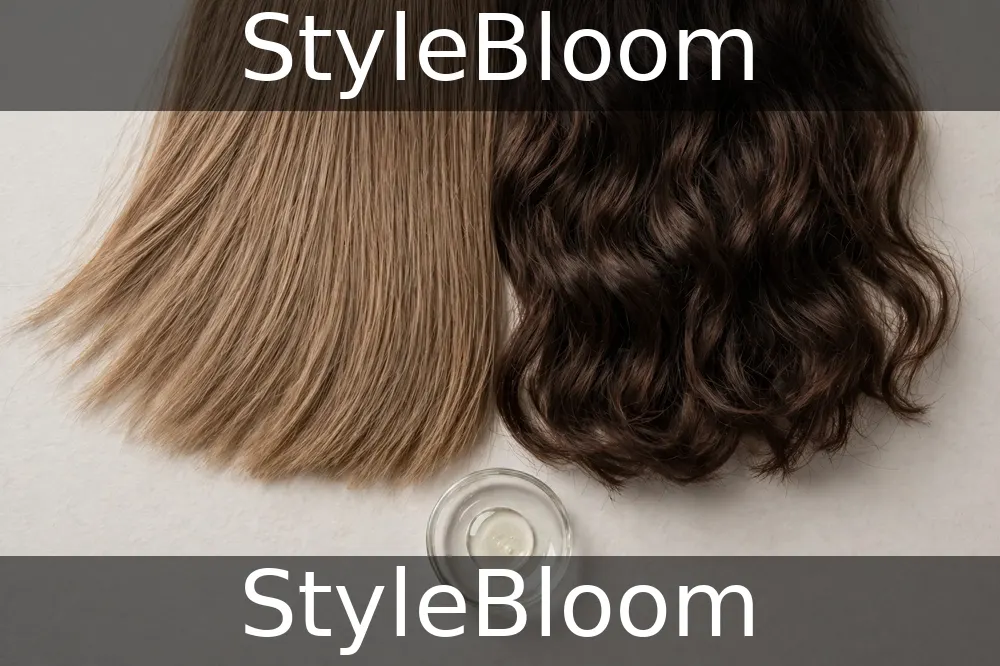
Thick or coarse hair: oils earn their keep
Thick and coarse hair has the opposite problem: light serums disappear into it. A pea-sized amount of a water-based formula will not reach the ends, and humidity will win by lunchtime. Thick hair needs a real oil, a generous amount, and application in sections so the product actually reaches every strand.
Moroccanoil Treatment ($50 list; $47.50 seen at Amazon.com, listing snapshot, mid-Oct 2026) is the reference point for this hair type: an argan-oil treatment that thick, coarse, and dry hair absorbs instead of wearing. The brand claims it increases shine by up to 118% — its claim, quoted from an Ulta-sourced description, not an independent measurement. The honest drawback is the price per ounce (about $15) plus the fact that it is too heavy for fine hair. If your hair drinks oil, this is the bottle others are compared against.
Kérastase Nutritive 8H Magic Night Serum ($62–$64) takes a different route: an overnight leave-in for dry hair, applied before bed, with niacinamide and plant-based proteins in the listing copy. The "8H" is the product's name for overnight nourishment, not a measured result. It is the priciest bottle here at roughly $21 per ounce, and the case for it is narrow — dry, thick hair that stays dry no matter what you do in the morning. If your hair is thick but not dry, Moroccanoil does the same job for less.
Color Wow Dream Coat ($30 for 6.7 oz) is the humidity specialist: a heat-activated spray applied to damp hair before blow-drying, not a serum at all. It coats the shaft so humidity cannot re-enter it. The drawback: it only works with heat activation, so air-dryers get nothing from it, and it adds a step rather than replacing your serum.
For thick hair, amount matters more than brand: work in two or three sections, use enough that the ends feel coated, and don't judge a product on a fine-hair amount.
Curly or wavy hair: definition without crunch
Curly and wavy hair frizzes when the curl pattern is disturbed while drying — towel-drying roughly, touching the hair as it dries, or brushing dry curls apart. A serum for curls has to do two jobs: seal against humidity and let the curl clump stay a clump. Heavy oils can pull curls straight; crunchy gels hold the shape but feel stiff. The middle ground is a finishing serum applied to damp hair, then hands off until dry.
Curlsmith Frizz Rescue Finishing Serum ($20 on sale, $29 list) is the curls-first pick: an oil-to-gel finishing serum, silicone-free and vegan, that the brand says controls frizz for up to 72 hours based on third-party testing against a control. That footnote matters — it is a tested brand claim, not a guess, but it is still the brand's test. The oil-to-gel texture is the practical advantage: it spreads like an oil and sets like a light gel, so curls keep definition without crunch. The drawback is the size — 74 ml — and the sale price is what makes it competitive; at list price it is a premium buy.
The curl rule that matters more than the bottle: apply to soaking or damp hair, scrunch gently, and do not touch the hair again until fully dry. A perfect serum applied to hair that is then towel-dried roughly will still frizz. Crown-first frizz is usually friction — pillowcase, towel, or hands — before it is a product failure.
Damaged or heat-treated hair: repair first
Damaged hair frizzes because the cuticle is lifted or missing in places, so moisture escapes and enters unevenly. No smoothing serum fixes that structure alone; the cuticle needs bond repair and heat protection first, smoothing second. That is why this section's picks are treatment serums, not finishing oils.
Olaplex No. 9 ($30–$32) is the strongest verified pick here. Its manufacturer's copy, quoted across retailer listings, states heat protection up to 450°F (232°C) and 48 hours of pollution protection, with a silicone-free formula, red algae extract, and Bond Building Technology. The 450°F figure is the only temperature claim in this guide verified from the manufacturer's own product copy — it is the reason this serum leads the heat section below as well. The honest drawback is the price spread — $30 at some US retailers, $32 list at others — and the 90 ml bottle goes faster than it looks on long hair.
L'Oréal EverPure Bond Repair Oil-in-Serum ($9.99 at Target; $12.99 at lorealparisusa.com) is the drugstore bond-repair option: a citric-acid formula the Target listing describes as a hair oil-in-serum and heat protectant, applied to damp or dry hair to tame flyaways. It carries no verified temperature figure, so it cannot be your only heat protection for high-heat styling — pair it with a dedicated protectant or keep the iron lower. As a daily repair-and-smooth step at under $13, it is the best value in this section by a clear margin.
John Frieda Frizz Ease The Controller Extra Strength ($9.89 at Target, reduced from $10.99) is the humidity-control pick for damaged hair that also faces damp weather: 4.5 stars from 227 Target ratings at the time of checking. It is a control serum, not a repair treatment, so it smooths the symptom rather than treating the cause — use it on top of a repair step, not instead of one.
Frizz serum for men
Men's frizz is the same physics with shorter hair: humidity lifts the cuticle, the lengths puff out, and the usual response — more product, applied to the roots — makes it worse. There is no separate "men's formula" worth paying for; the men's products that exist are the same serums in different bottles. What differs is the amount and the placement, because short hair needs far less product and shows grease faster.
The picks that suit men best are the lightweight, non-greasy ones: Garnier Sleek & Shine ($6.99) for the budget start, e.l.f. Gloss Mode ($10.00) for a heat-protectant oil that doubles as a finishing step, and L'Oréal EverPure Bond Repair ($9.99) if the hair is bleached or heat-damaged. One pump — often half a pump for short hair — warmed in the palms and pressed into the mid-lengths and ends is the whole routine. Anything applied to the scalp reads as oil within the hour.
Two honest notes. First, the pages ranking "best hair serum for men" mostly recycle the same unisex serums with a men's label; the check for this guide found the men's results dominated by Amazon category pages and forums, not independent testing. Second, if your hair is very short, a serum may be the wrong product entirely — a light leave-in or a pea-sized amount of conditioner left in the ends does the same job with less grease risk. Serum earns its place once the hair reaches collar length and has mid-lengths.
After washing: the routine that actually stops frizz
Most frizz is decided in the ten minutes after washing, before any serum is opened. Hair is most fragile and absorbent when wet and the cuticle is open; what happens in that window matters more than which brand is in the bottle.
The order that works: squeeze, don't rub. Press water out with a microfibre towel or an old cotton T-shirt; rubbing with a terry towel roughs the cuticle and manufactures the frizz you then try to serum away. Apply serum to damp hair — not dripping, not dry — when the shaft absorbs it evenly. Then detangle gently from the ends upward, and either air-dry untouched or blow-dry with heat protection. Serum goes on before the heat, never after it as an apology.
Amount by length: short hair, half a pump; shoulder length, one pump; long hair, one to two pumps in two passes — mid-lengths, then ends. Very long or very thick hair, two pumps in sections. If hair feels coated an hour later, the amount was too much, not the product wrong; halve it next wash and the same bottle will behave differently.
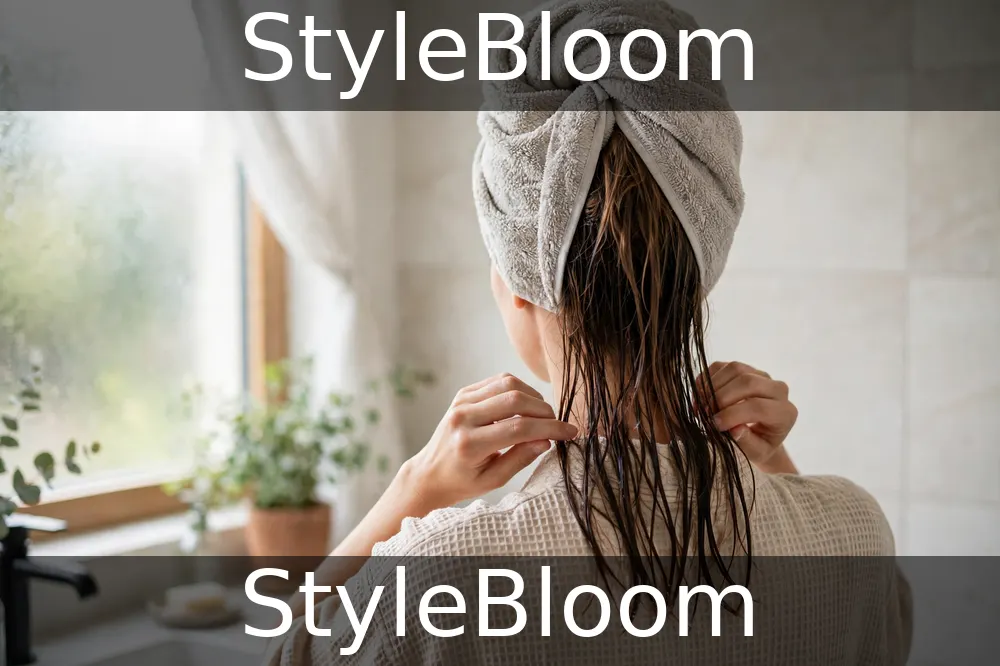
When frizz returns after washing: if hair dries smooth and frizzes hours later, humidity is re-entering the shaft — the seal was too light, so move to a heavier formula or add Dream Coat with heat. If hair frizzes as it dries, the cause is usually mechanical: towel friction, touching the hair while it dries, or brushing dry. Crown-only frizz means checking friction first — pillowcase, towel, hat, or hands — before buying anything. And if hair frizzes no matter what you do, consider the water: hard water leaves mineral film that lifts the cuticle, and a monthly clarifying wash (see the silicone section) often does more than a new serum.
Heat-protectant serums: what the temperature numbers mean
Heat-protectant claims are the least policed numbers in hair care. A bottle can say "heat protection" without stating any temperature, and most do exactly that. A temperature figure — 450°F, 230°C — claims the temperature up to which the product's protective film is said to hold. It is not a promise that hair is safe at that temperature, and it is not comparable across brands, because there is no shared test standard behind the numbers. Treat a figure as a signal the manufacturer tested something, and its absence as a signal it did not — or did not publish it.
Olaplex No. 9 is the only serum in this guide with a temperature claim verified from the manufacturer's own product copy: heat protection up to 450°F (232°C), alongside 48 hours of pollution protection. If you use a flat iron or curling iron at high heat, that verified figure is the practical reason to choose it over the other serums here. It is also silicone-free, which matters to readers avoiding silicones — see the explainer below.
L'Oréal EverPure Bond Repair is sold as a heat protectant in its Target listing name, but no temperature figure was found in its listing copy. That does not make it useless — it is a bond-repair oil-in-serum that also tames flyaways — but it is not verified high-heat protection, and this guide does not present it as such. If your styling runs above 350°F, use a product with a stated temperature figure, or turn the tool down: most hair straightens or curls well at 300–350°F, and the extra heat buys speed, not results.
The honest bottom line: one verified temperature claim exists among the twelve products here. Every other heat claim is a product-name description or absent. That is not a criticism of the other serums — most are smoothing serums, not heat shields — but it is why the heat question gets its own section.
L'Oréal serums for frizz
L'Oréal is the most searched serum brand in this guide's research, and the most confusing to shop: the Elvive line sells several frizz products with similar names in different markets, and the US range does not match the UK range. This section covers the three names that matter for US shoppers, with prices only where a US listing verified them.
EverPure Bond Repair Oil-in-Serum ($9.99 at Target; $12.99 at lorealparisusa.com) is the pick of the three for damaged or heat-treated hair: citric-acid bond repair, an oil-in-serum texture, damp-or-dry application, and a heat-protectant description in its Target listing. The $3 gap between Target and the brand's own store is real and current as of October 31, 2026 — check both before buying. It is the only L'Oréal serum here with a verified US price at two named retailers.
Dream Lengths Frizz Killer Serum ($7.99 at Target, 3.4 fl oz) is the budget L'Oréal pick: a frizz-killer serum for long hair, at the lowest per-ounce price of any L'Oréal serum in this guide ($2.35 per ounce). It is a smoothing serum, not a treatment, and at $7.99 it is the bottle to try first if you want the brand without the premium.
Extraordinary Oil is the oil-based classic of the range, and the one this guide cannot price for the US. No US retailer listing price was verified on October 31, 2026 — Target's US listings showed sibling products instead, and the prices found elsewhere were UK, Australian, New Zealand, Lebanese, and Bangladeshi listings, none of which is a US price. Formula, size, and claims vary by market, and the UK listing's "up to 230° heat protection" wording belongs to the UK variant, not the US one. If you want this bottle, check the current US listing price and exact variant before buying. This guide does not guess it.
The L'Oréal lesson generalises: when a global brand sells the same name in six markets, the price and formula quoted in a roundup may belong to a different country's bottle. Verify the market, or buy the variant whose listing you actually read.
What Reddit and forums actually say
The search results for frizzy-hair serums are full of forum threads — the "Reddit" variant of the query returns almost entirely Reddit threads — and they are worth reading correctly. Threads are where people ask questions and report single-person experiences. They are not testing, not consensus, and not a substitute for a listing's facts. Used properly, they are the best source for one thing: failure modes — which serums went greasy, weighed hair down, smelled too strong, or stopped working in humidity. No roundup reports those as honestly as a thread of disappointed buyers.
What the threads actually contain, on the evidence available: people asking for recommendations for dry, frizzy hair in hot, humid weather, often after trying "a few random products" without a routine; people mixing up oils and serums as if they were the same product; and people asking whether a serum can replace conditioner or heat protection, which it cannot. One visible thread in a regional skincare community drew 17 answers — but it is regional advice, excluded from this US guide's recommendations. Region matters in forum advice more than anywhere else: a recommendation built on another country's shops and weather does not transfer.
The one attributable forum pattern found during research comes from a Mumsnet thread, where users named the same handful of products independently: Moroccanoil oil, L'Oréal Extraordinary Oil, Color Wow Dream Coat, Olaplex, and John Frieda. That is a pattern of mentions, not a verdict — users sharing what worked for their own hair, not testing — but the names match this guide's verified list rather than contradicting it. The thread's practical advice was consistent too: start small, apply to damp hair, and expect humidity to be the recurring enemy.
How to use threads without being misled: look for the complaint that repeats across different threads, not the praise that repeats in one; ignore any thread where every answer names the same product in the same words; and treat "holy grail" language as enthusiasm, not evidence. The most useful thread is where someone with your hair type says what went wrong — that tells you what to avoid, which is usually more valuable than what to buy.
Silicone vs water-based vs oil-based
Serums fall into three families, and the family matters more than the brand. Silicones — dimethicone, cyclopentasiloxane, dimethiconol, the ingredients at the top of IGK CryBaby's list — coat the shaft with a thin film that smooths the cuticle, adds shine, and blocks humidity. They work immediately and visibly, which is why most classic frizz serums are silicone-based. Water-based serums feel lighter, absorb faster, and leave less residue, but seal less aggressively against humidity. Oil-based serums — argan, coconut, camellia — nourish the shaft and add shine, but are the heaviest of the three and the easiest to over-apply.
Silicones are not "bad" for hair. The real drawback is buildup: silicone film accumulates with repeated use, especially layered over other styling products, until hair feels coated, dull, and resistant to moisture. The fix is simple — a clarifying shampoo once or twice a month strips the buildup, and the serum works like new again. Infrequent washers and hard-water households hit buildup faster. Readers who prefer to avoid silicones have genuine options here: Curlsmith Frizz Rescue, Olaplex No. 9, and Rōz Milk are all marketed silicone-free — but check the exact US bottle's ingredient list, because formulations vary by market.
What not to buy
1. The wrong weight for your hair. The most common bad purchase is not a bad serum — it is a good serum for someone else's hair. Heavy argan oil on fine hair, or a feather-light water serum on thick coarse hair, will both disappoint and both get blamed on the brand. Match the weight first, as the hair-type sections lay out.
2. A serum as your only heat protection when you style hot. Most smoothing serums are not heat shields. If you flat-iron above 350°F daily, use a product with a stated temperature figure — Olaplex No. 9 is the verified one here — or turn the tool down.
3. The bottle a summary quoted. Search-result summaries and AI answers quoted prices for the products in this guide that matched no live listing — Kérastase figures that differed between the summary text and its own card, a premium serum price that matched nothing at any retailer, a Moroccanoil figure from a reshipper's FAQ that matched no US listing. If a price appears only in a summary and never on a retailer's page, treat it as unconfirmed. Every price here names its retailer for exactly this reason.
4. The wrong market's variant. L'Oréal Extraordinary Oil, Kérastase, and Moroccanoil all sell market-specific variants. A UK price, an Australian size, or a US listing for a different variant is not the product in front of you. Check the market and size before comparing prices.
5. A full-size premium bottle before trying a trial size. Kérastase and Rōz both sell smaller sizes — Rōz's 25 ml travel size is $29 against $52 for 100 ml. Premium serums are the most expensive way to learn a product does not suit your hair. Trial sizes, or the $6.99 Garnier starting point, are how you learn cheaply.
6. A spray sold as a serum, or a serum sold as a cure. Color Wow Dream Coat is an excellent humidity shield and not a serum; buying it expecting serum behaviour wastes $30. No serum repairs split ends, regrows hair, or replaces conditioner — any bottle claiming otherwise is selling a story, not a function.
Drugstore vs premium: what the extra money buys
The drugstore tier — Garnier at $6.99, Dream Lengths at $7.99, EverPure at $9.99, John Frieda at $9.89, e.l.f. at $10.00 — covers every basic job: smoothing, humidity control, bond repair, and heat-protectant description. The premium tier — Olaplex at $30–$32, Moroccanoil at $50, Rōz at $52, Kérastase at $62–$64 — has to justify itself against that, and the honest answer is that it does so only for specific needs.
Per-ounce arithmetic makes the gap concrete: Garnier about $1.37; Kérastase about $21 — roughly fifteen times as much; Rōz and Moroccanoil near $15. Olaplex, at $10–$11, is the cheapest premium bottle here and the easiest to justify, because its verified 450°F protection and bond repair are functions the drugstore tier does not match. Kérastase's premium buys an overnight treatment format and a luxury texture, not fifteen times the frizz control — buy it for dry hair that needs overnight care, not for ordinary frizz.
What premium does not buy: a guarantee. No serum here, at any price, guarantees frizz-free hair in humidity, because humidity, porosity, and routine matter as much as the bottle. What the extra money reliably buys is narrower: bond-repair chemistry (Olaplex, EverPure), silicone-free lightweight formulas (Rōz, Curlsmith), overnight formats (Kérastase), and fragrance and texture refinement some buyers value and others never notice.
The buying order that respects both tiers: start at $6.99 with Garnier. If it works, stop — you solved the problem for the price of a sandwich. If it is too light, move to Moroccanoil or Dream Coat. If damage is the issue, move to Olaplex or EverPure. Only buy Kérastase or Rōz when you know exactly which gap they fill. Most heads of hair never need to leave the drugstore tier.
How to apply hair serum
Application is where serums succeed or fail, and the routine is the same for every bottle in this guide. Start with damp, towel-pressed hair — not dripping, not dry. Put the amount for your length (half a pump short, one pump shoulder-length, one to two pumps long) in your palm, rub your palms together once to warm and spread it, then press and smooth it through the mid-lengths and ends. Do not rake it through from the roots; do not apply it to the scalp. The roots produce their own oil, and serum there only adds grease.
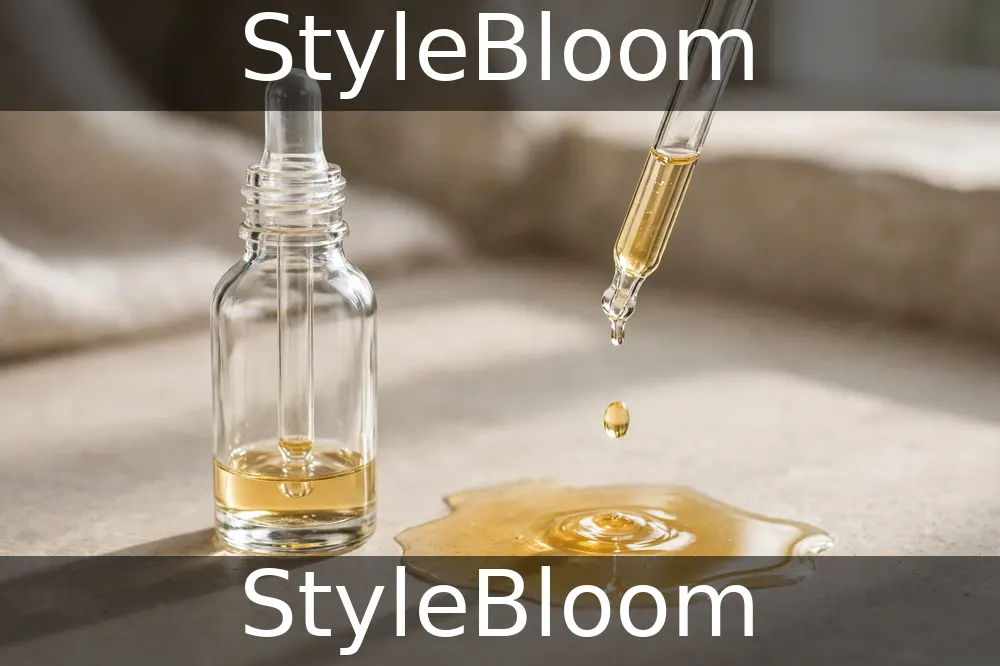
For dry-hair finishing, use less than you think — a pea-sized amount, warmed in the palms, pressed over flyaways and the hairline. IGK CryBaby's own directions describe exactly this: warm in the hands, finger-comb through the ends, apply around the hairline to reduce flyaways. For heat styling, apply before the tool, never after, and let it distribute for a minute before the iron touches the hair.
Layering order, when you use more than one product: leave-in conditioner first, serum second, heat protectant third if separate, styling cream last. Serum under a heavy cream disappears; serum over a heavy cream sits on top. A single product combining serum and heat protection — Olaplex No. 9 or EverPure — goes on damp hair before styling, and nothing else is needed unless hair is very thick.
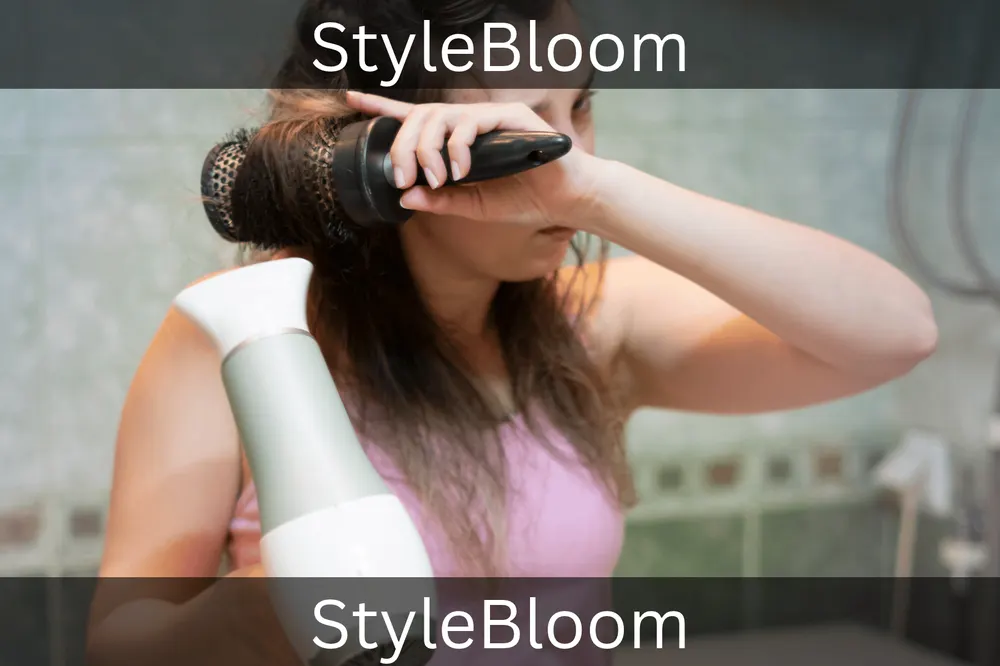
Day two and three: refresh, don't reapply a full dose. A pea-sized amount on the ends, or a light mist of water followed by smoothing, revives the previous application. Wash day resets the cycle — and once a month, a clarifying wash resets it properly.
The verdict
Buy Garnier Fructis Sleek & Shine at $6.99 first. It is the cheapest honest starting point, suits most hair types, and if it solves your frizz you never need to spend more. If your hair is damaged or you style with high heat, buy Olaplex No. 9 for its verified 450°F protection and bond repair. If your hair is thick and drinks oil, buy Moroccanoil Treatment. If your curls need definition without crunch, buy Curlsmith Frizz Rescue while it is on sale at $20. If your hair is fine and feels dry no matter what, try Rōz Milk in the travel size before the full bottle. If your hair needs overnight care, Kérastase 8H is the premium answer — at roughly $21 an ounce, the most expensive way to solve a problem most readers solve for $7.
Whatever you buy, buy the weight your hair needs, apply it to damp mid-lengths and ends, keep it off the roots, and check the live price before checkout. Prices here were checked on October 31, 2026, and they will move. The routine matters more than the bottle — but the right bottle, in the right amount, in the right order, is what makes the routine work.
What to try first: Buy the serum for your hair type, apply one pump to damp mid-lengths and ends, and judge it after three washes — not one. Good looks like: smooth ends that stay smooth through the day, with no greasy roots. If it fails: halve the amount first, then switch weights before switching brands. Learn next: Best Scalp Serum.
Frequently asked questions
- What hair serum is best for frizzy hair?
- The best hair serum for frizzy hair is the one whose weight matches your hair: a light, water-based or silicone-free serum for fine hair, a real oil such as Moroccanoil Treatment for thick or coarse hair, and a bond-repair serum such as Olaplex No. 9 for damaged hair. If you are unsure, start with Garnier Fructis Sleek & Shine at $6.99.
- What is the best frizz serum?
- There is no single best frizz serum for every head of hair. Allure named IGK CryBaby its Best Overall pick, and it suits many hair types as a finishing serum-in-oil — but its US listing price could not be verified, and reviewers report a leaking pump and strong fragrance. For most readers, Garnier at $6.99, or Olaplex No. 9 for damaged, heat-styled hair, are the better-evidenced picks.
- What hair serum can help stop frizz?
- A serum stops frizz by sealing the hair shaft against humidity and smoothing a lifted cuticle. It works best applied to damp hair after washing, in the right amount for your length, before heat styling. A serum alone cannot stop frizz caused by towel friction, brushing dry curls, or hard-water buildup — those need a routine fix, not a different bottle, as the after-wash section above explains.
- Which type of serum is best for dry hair?
- Dry hair needs an oil-based or overnight serum: Moroccanoil Treatment for thick, dry hair, or Kérastase Nutritive 8H Magic Night Serum as an overnight leave-in for hair that stays dry no matter what you do in the morning. Fine hair that feels dry is the exception — it needs a light serum such as Rōz Milk, because heavy oils sit on fine hair and read as grease.
- What hair serum do hairdressers recommend for frizzy hair?
- No single serum is the trade consensus — recommendations vary by the hair in front of the stylist. The names that recur in professional and editorial coverage are Olaplex No. 9 for damaged hair, Moroccanoil Treatment for thick hair, and Rōz Milk — founded by celebrity hairstylist Mara Roszak — for fine hair. Treat any list claiming one universal hairdresser pick as marketing, not advice.
- Can a hair serum repair damaged hair?
- A serum cannot repair a broken bond on its own, but bond-repair serums improve how damaged hair behaves: Olaplex No. 9 uses Bond Building Technology and carries a verified heat-protection claim up to 450°F, and L'Oréal EverPure Bond Repair uses citric acid as its repair ingredient. Both smooth and protect damaged hair; neither reverses split ends or replaces a trim.
- Do I need a heat protectant serum if I blow-dry my hair?
- Yes, if you use heat tools regularly. Blow-drying and flat-ironing above 300°F damage the cuticle over time, and a heat-protectant step applied to damp hair before styling reduces that damage. Most smoothing serums are not heat shields, so check for a stated temperature figure — Olaplex No. 9 is the only serum in this guide with one verified from the manufacturer's own copy, up to 450°F.
- What temperature does Olaplex No. 9 protect hair up to?
- Olaplex No. 9 protects hair up to 450°F (232°C), according to the manufacturer's own product copy quoted across retailer listings, alongside 48 hours of pollution protection. It is the only temperature claim in this guide verified from a manufacturer's listing. No other serum checked here states a temperature figure, and none is claimed for them.
- Why does my hair get frizzy after washing it?
- Hair frizzes after washing for three common reasons: towel friction roughing the cuticle, serum applied at the wrong time or in the wrong amount, or humidity re-entering the shaft as it dries. If hair dries smooth and frizzes hours later, the seal was too light. If it frizzes as it dries, the cause is usually mechanical — rubbing with a terry towel or touching the hair while it dries. The after-wash section above covers each cause and its fix.
- Should I apply hair serum to wet or dry hair?
- Apply serum to damp hair for the main application — after towel-pressing, before styling — because damp hair absorbs the product evenly. Use a much smaller amount on dry hair only as a finishing step, pressed over flyaways and ends. Applying a full dose to dry hair usually leaves the hair looking coated, and applying to soaking-wet hair dilutes the product before it can seal the shaft.
- What is the best hair serum for men with frizzy hair?
- The best hair serum for men is the same lightweight, non-greasy serum recommended for anyone with short to medium hair: Garnier Sleek & Shine at $6.99, e.l.f. Gloss Mode at $10.00, or L'Oréal EverPure Bond Repair at $9.99 for bleached or heat-damaged hair. There is no separate men's formula worth paying for — use half a pump on short hair, pressed into the mid-lengths and ends, never on the scalp.
- Which L'Oréal serum is best for frizzy hair?
- For damaged or heat-treated hair, L'Oréal EverPure Bond Repair Oil-in-Serum at $9.99 at Target is the strongest L'Oréal pick in this guide. For long hair on a budget, Dream Lengths Frizz Killer Serum at $7.99 at Target is the value pick. Extraordinary Oil is the range's oil-based classic, but no US listing price was verified on October 31, 2026 — check the current US listing before buying.
- Is L'Oréal Extraordinary Oil good for frizzy hair?
- Extraordinary Oil is a well-regarded oil-based serum for dry and frizzy hair, and it suits thick or dry hair better than fine hair. The honest caveat is that its formula, size, and claims vary by market, and no US retailer listing price could be verified on October 31, 2026 — the prices found were UK, Australian, and other non-US listings. Check the exact US variant and its current listing price rather than trusting a roundup figure.
- Are silicones in hair serum bad for your hair?
- No. Silicones such as dimethicone coat the shaft, smooth the cuticle, and block humidity — they work immediately and visibly. Their real drawback is buildup with repeated use, which makes hair feel coated and dull. A clarifying shampoo once or twice a month removes the buildup. Readers who prefer to avoid silicones have genuine options here, including Curlsmith Frizz Rescue, Olaplex No. 9, and Rōz Milk, all marketed silicone-free.
- How much hair serum should I use?
- Use half a pump for short hair, one pump for shoulder-length hair, and one to two pumps for long hair, applied in two passes — mid-lengths first, ends second. Very long or very thick hair may need two pumps in sections. If the hair still feels coated or looks wet an hour later, halve the amount next wash; the amount, not the brand, is the most common reason a good serum disappoints.