
Facial Kit: What to Buy, How to Use It, and Which Kit Fits Your Skin
A facial kit is the fastest way into a skincare routine — but most kits are incomplete, and the search results are shop pages and one professional guide, not a plain buying guide. This one starts with the CeraVe bundle and matches every kit to a skin type.
By the end of this guide, you will know what a facial kit actually is, whether a kit beats buying the steps singly, which kit fits your skin type, how to use it in order, what is inside it and what is missing, and who should skip it.
As an Amazon Associate, StyleBloom earns from qualifying purchases.
In a hurry? See the current price on Amazon.

Photo: a botanical Christmas candle — one of the simplest cozy gifts that always works.
As an Amazon Associate, StyleBloom earns from qualifying purchases. This guide contains affiliate links — it costs you nothing extra and keeps our content free.
A facial kit is a set of skincare steps sold together — usually a cleanser and a moisturiser, sometimes with a toner, a serum, an exfoliant or a mask. The search results for this question are mostly shop pages and one professional guide for estheticians. No mainstream guide compares kits side by side by skin type, with buying links, a budget breakdown, and an honest audit of what is inside each kit and what is missing. This guide does that, and it starts with the kit that is doing the most right now: the CeraVe skincare bundle.
This guide answers one question — which facial kit to buy — with the evidence that matters: what a facial kit actually is, whether a kit beats buying the steps singly, how to match a kit to your skin type, the six picks side by side, how to use a kit in order, what is inside it and what is missing, and who should skip it. We did not test these products, and this guide does not pretend otherwise. Check the live price on the product page before you order — prices move constantly, so we do not print them here.
First win: before you buy any facial kit, wash your face with a gentle cleanser and wait ten minutes. The tightness or shine you see then tells you your skin type, and your skin type tells you which kit to buy.
- The fastest way into a facial routine is a minimal kit. A cleanser plus a moisturiser covers the two steps you cannot skip — everything else is an add-on, not a requirement.
- Most kits are incomplete. They give you the cleanse-and-moisturise core but no exfoliant, serum, mask or sunscreen — so judge a kit by what is missing, not only by what is inside the box.
- Match the kit to your skin type first. The same kit that suits dry skin can break out oily skin, and the same actives that help acne can irritate sensitive skin.
- A kit beats buying singles only when the steps work together and the total is less. Compare the cost of the same steps bought one by one, not the kit price alone.
- The routine matters more than the brand. Use the kit in order, patch test first, and add one new step at a time — that is what keeps a routine going past the first week.
A facial kit is a set of skincare steps sold together — usually a cleanser and a moisturiser, sometimes with a toner, a serum, an exfoliant or a mask.
That is what this guide does, and it starts with the kit that is doing the most right now: the CeraVe skincare bundle — a cleanser and a moisturiser, built around ceramides, with a version for balanced-to-dry skin and a version for oily skin.
I will be straight with you about what a kit can and cannot do.
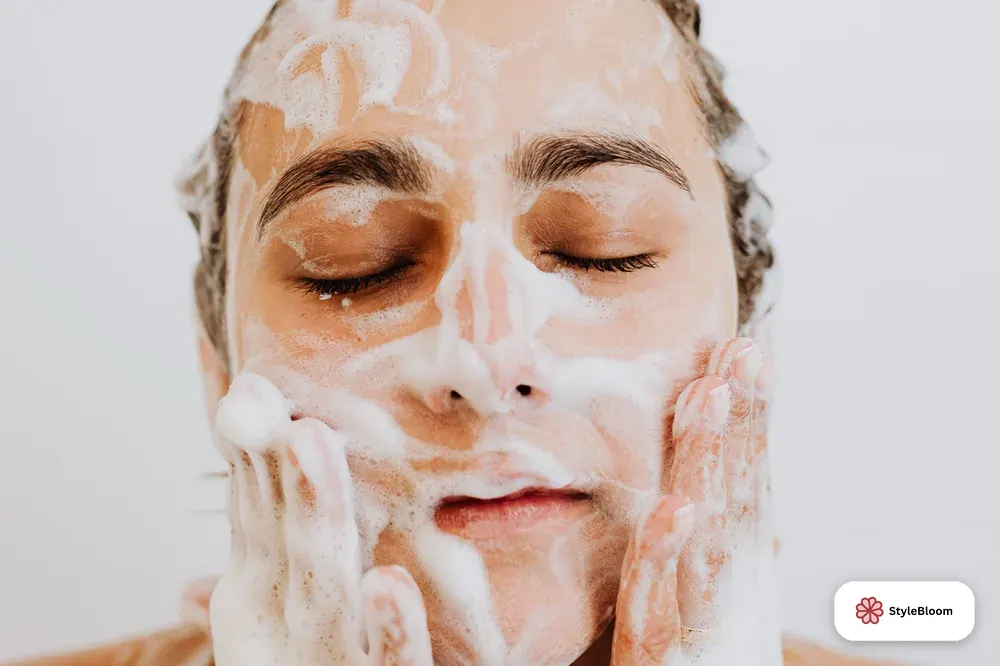
What a facial kit actually is
A facial kit is two or more skincare products that are sold as one set, with the steps meant to be used in order. The smallest kits have two steps — a cleanser and a moisturiser. A fuller kit adds a toner, a serum, an exfoliant or a mask.
There are two kinds of kit, and the difference matters. A "starter kit" is a small set — usually a cleanser and a moisturiser — meant to get you into a routine. A "complete kit" is a larger set that tries to cover every step in one box. If you are buying your first kit, buy the starter.
One thing a kit is not: it is not a facial. A kit at home is a routine, not a treatment.
Kit vs buying the steps singly
A kit is usually cheaper than the same steps bought one by one, but only when the kit contains the steps you would have bought anyway. The honest comparison is not the kit price against one product.
There is a simple way to do that comparison. Then look at the kit and count how many of those steps it covers. If it covers all of them, and the kit costs less than the steps would cost singly, the kit wins.
Cost per use is the number that tells you the truth. When you compare kits, compare how long each step lasts at twice-daily use, not how big the bottle looks.
The other advantage of a kit is that the steps are designed to work together. A cleanser that strips the skin will make any moisturiser work harder, and a serum that is too strong will undo the calm a moisturiser brings. That is not a small thing.
How to choose by skin type
Choose by skin type first and by brand second, because the wrong kit for your skin type will hurt you even if it is the best kit on the shelf. Your skin type is not a guess — it is what your face does after you wash it and wait ten minutes. If it feels tight and looks dull, it is dry. If it shines all over, it is oily. If the forehead and nose shine but the cheeks feel normal, it is combination. If it breaks out often, it is acne-prone. If it turns red, stings or itches with new products, it is sensitive. Most people are one of these, and many people are a mix of two.
The table below maps each skin type to the kit that suits it and the ingredients to look for.
| Skin type | What it does | Kit to buy | Look for | Avoid |
|---|---|---|---|---|
| Dry | Feels tight, looks dull, sometimes flakes | Hydrating kit, cleanser plus rich moisturiser | Ceramides, hyaluronic acid, glycerin | Strong foaming cleansers, high-strength acids |
| Oily | Shines all over, pores look large | Balancing kit, gel cleanser plus light moisturiser | Niacinamide, salicylic acid, gel textures | Heavy creams, oils that sit on the skin |
| Combination | Shiny forehead and nose, normal cheeks | Balanced kit, gentle cleanser plus light moisturiser | Ceramides, niacinamide, light lotions | Treating the whole face as one type |
| Acne-prone | Breaks out often, spots linger | Acne kit, gentle cleanser plus a treatment step | Salicylic acid, benzoyl peroxide, niacinamide | Harsh scrubs, heavy oils, picking at spots |
| Sensitive | Turns red, stings or itches with new products | Sensitive kit, fragrance-free, few steps | Fragrance-free, ceramides, aloe, calendula | Fragrance, alcohol, strong acids, scrubs |
Dry skin needs moisture more than it needs treatment.
Oily skin needs balance, not drying out.
Combination skin is the most common type and the most confusing, because it is two types at once. Do not buy two kits.
Acne-prone skin needs a treatment step, not just a cleanse.
Sensitive skin needs the fewest steps and the gentlest formulas. A sensitive kit should be fragrance-free, with a short ingredient list, and it should have no more than two or three steps.
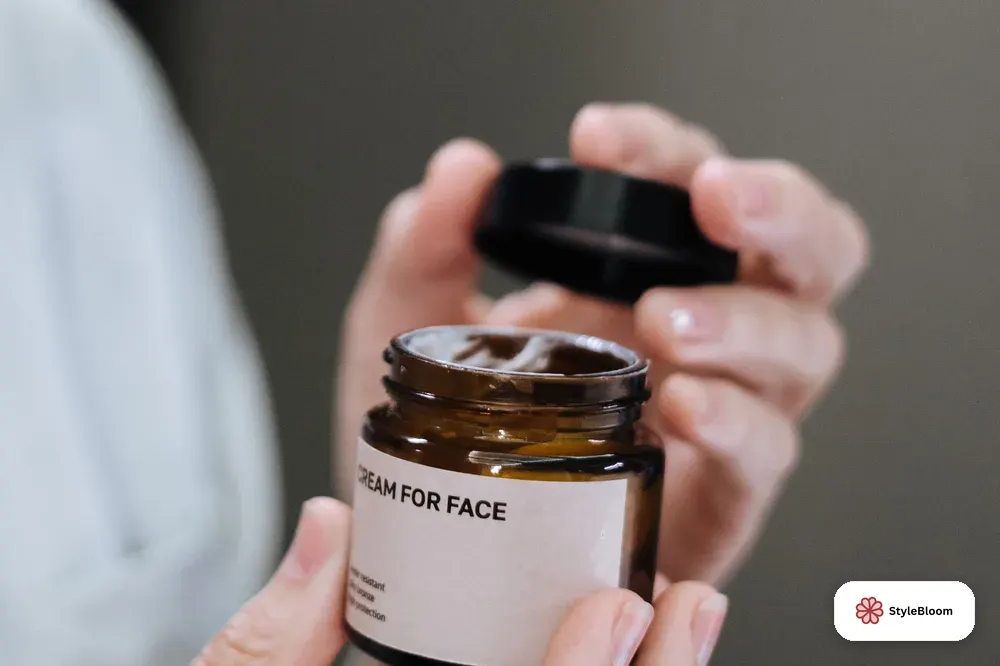
The picks: six kits, side by side
| Kit | Steps | Skin type | Contents | Best for |
|---|---|---|---|---|
| CeraVe Skincare Bundle | Two | Balanced to dry | Cleanser, moisturiser | Starting simple |
| CeraVe Acne Essentials Kit | Three | Acne-prone | Cleanser, treatment, moisturiser | Breakouts |
| Sensitive Skin Facial Kit | Two | Sensitive, reactive | Gentle cleanser, moisturiser | Reactive skin |
| Hydrating Facial Kit | Three | Dry | Cleanser, serum, moisturiser | Tight, dull skin |
| Complete Multi-Step Facial Kit | Five | All skin types | Cleanser, toner, serum, moisturiser, mask | Replacing a whole routine |
| Exfoliating Facial Kit | Three | Dull, uneven | Cleanser, exfoliant, moisturiser | A weekly lift |
How I put these picks together: I verified the lead CeraVe bundle in the Kalodata Nov/Dec hunt — the fastest-rising skincare bundle, with video revenue up 606.9% in 30 days — and I checked the keyword in SEMrush (1,000 searches a month, KD 5). I read the rival pages in full: most are shopping pages, and no mainstream US general facial-kit buying guide ranks at all. What I did not do: I did not test these kits on my own skin — no four-to-six-week wear test — so the judgement under each pick below is my buy-if / skip-if call from that research, not from wearing it. Prices move; check the listing before you buy.
CeraVe Skincare Bundle
Best for: starting simple with balanced-to-dry skin. This is the lead pick because it does the least and does it well. The bundle is a cleanser and a moisturiser — a hydrating facial cleanser and a daily moisturising lotion — and both are built around ceramides, which are the fats that hold the skin barrier together. That is the whole routine, and for most people it is enough.
Buy the version that matches your skin, not the version that sounds better. Choose it because it matches your skin, not because it is popular. I'd buy this one first if your skin is balanced to dry and you want the shortest routine that works — it's the only kit here I'd call a safe first buy, because it does the least and does it well.
CeraVe Acne Essentials Kit
Best for: acne-prone skin that needs a treatment step. A cleanser and a moisturiser alone will not clear acne, because acne needs an active ingredient that reaches into the pore. This kit adds that step: a cleanser, a treatment, and a moisturiser, designed to be used together. The treatment is the part that matters, and the fact that it comes in a kit with its own cleanser and moisturiser matters too, because an acne treatment used with the wrong cleanser will irritate the skin around the spots it is meant to clear.
Use it the way the kit intends: cleanse, treat, moisturise, and give it time. Four to six weeks is the honest test. I'd only buy this kit if your skin is acne-prone and you need a treatment step — if your skin is clear, I'd skip it and buy the lead bundle instead, because the treatment is the whole point of this one.
Sensitive Skin Facial Kit
Best for: reactive skin that needs the gentlest formula. Sensitive skin does not need more steps. It needs fewer steps, gentler formulas, and a short ingredient list it can trust. This kit is a gentle cleanser and a moisturiser, both fragrance-free, with no acids, no scrubs and no strong actives. That is the right answer for skin that turns red, stings or itches with new products. A short list of gentle ingredients is safer than a long list of calming ones.
I'd buy this one if your skin turns red or stings with new products — and I'd skip it if your skin tolerates actives, because you'd be paying for gentleness you don't need.
Hydrating Facial Kit
Best for: dry skin that feels tight and looks dull. Dry skin needs water, and a hydrating kit gives it in three steps: a gentle cleanser that does not strip, a serum that holds water in the skin, and a moisturiser that seals it in. The ingredients that do the work are ceramides, hyaluronic acid and glycerin, and a good hydrating kit has all three doing different jobs — the cleanser leaves the skin ready, the serum pulls water in, and the moisturiser locks it there. That is why a hydrating kit has three steps instead of two. The extra step is not a luxury.
Do not make the mistake of buying a hydrating kit and then using a strong foaming cleanser with it, or a high-strength acid on the same night. Use the kit as it is, twice a day, and give it a month. I'd buy this one if your skin feels tight and looks dull — and I'd skip it if your skin is oily, because the third step is water your skin doesn't need.
Complete Multi-Step Facial Kit
Best for: replacing a whole routine at once. This is the kit for someone who already has a routine and wants to replace every step in one box: a cleanser, a toner, a serum, a moisturiser and a mask. It is the most complete kit in this guide, and it is the right buy when you want a routine that is designed as a whole, not pieced together from different brands. The risk is that you buy it when you only need two steps, and the extra three sit in a drawer.
Do not buy this kit as your first kit. If you already have a routine and you know it well, the complete kit is a good replacement. If you are starting from nothing, it is too much at once. I'd only buy this one if you already know your routine and want to replace it in one box — if you're starting from nothing, I'd skip it, because five steps at once is too much to learn.
Complete Multi-Step Facial Kit
Exfoliating Facial Kit
Best for: dull, uneven skin that needs a weekly lift. This kit is for the skin that looks tired even when it is clean and moisturised. It has three steps — a cleanser, an exfoliant and a moisturiser — and the exfoliant is the part that does the work. It lifts the dull layer of dead skin that a cleanser alone cannot remove, and the moisturiser that follows it soothes the skin and seals in the result.
The rule is once or twice a week, in the evening, never every day, and never on the same night as a strong treatment. An exfoliant that is used daily strips the skin barrier and leaves it red, flaking and breaking out — the opposite of what it is meant to do. I'd buy this one if your skin looks dull even when it's clean — and I'd use it weekly, not daily, because a daily exfoliant is how a good kit turns into a red face.
How to use the kit, in order
Use the kit in this order: cleanse, treat, moisturise, protect — morning and evening, with the treatment step only where the kit has one. The order matters because each step prepares the skin for the next. A cleanser removes the day's oil and dirt so the treatment can reach the skin. A treatment goes on clean skin so it is not blocked by a moisturiser. A moisturiser seals in the treatment and the water. Sunscreen goes last in the morning because it has to sit on top of everything to work.
Patch test every new step before you put it on your whole face. Put a small amount on the inside of your wrist or behind your ear, wait a day, and look for redness, itching or swelling. If nothing happens, use it on your face. If your skin reacts, stop that step and do not try another new step until the reaction has settled. A kit has several steps, so patch test one step at a time — if you start all five on the same day and your skin reacts, you will not know which step caused it.
Morning and evening are not the same routine. In the morning, the job is to protect: cleanse gently, moisturise, and put on sunscreen. In the evening, the job is to repair: cleanse properly, use any treatment the kit has, and moisturise. The steps that matter daily are the cleanser and the moisturiser. The rest are weekly or as needed.
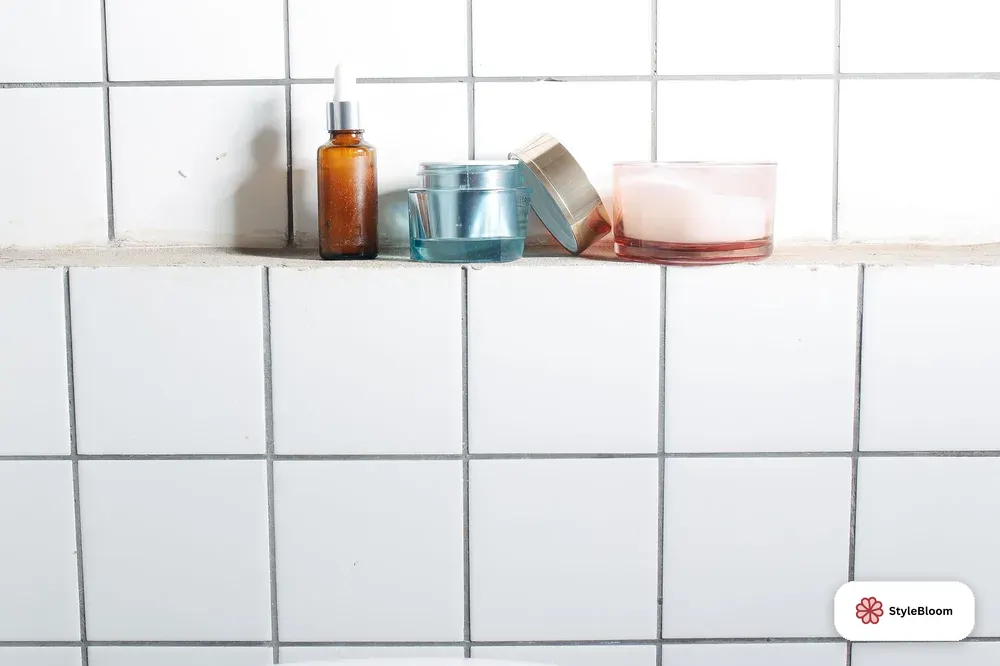
What is inside, and what is missing
Judge a kit by what is missing from it, not only by what is inside the box. The lead pick in this guide — the CeraVe skincare bundle — is a cleanser and a moisturiser. That is all. It has no exfoliant, no serum, no mask and no sunscreen. That is not a flaw. It is the design. A two-step kit is meant to be the core of a routine, and the missing steps are the ones you add only if your skin asks for them.
| Kit type | Usually inside | Usually missing | What to add |
|---|---|---|---|
| Two-step starter | Cleanser, moisturiser | Exfoliant, serum, mask, sunscreen | Sunscreen every morning |
| Three-step | Cleanser, toner, moisturiser | Exfoliant, serum, mask, sunscreen | Sunscreen, and a treatment if needed |
| Complete multi-step | Cleanser, toner, serum, moisturiser, mask | Sunscreen | Sunscreen every morning |
| Acne kit | Cleanser, treatment, moisturiser | Exfoliant, mask, sunscreen | Sunscreen, and a gentle exfoliant weekly |
| Sensitive kit | Cleanser, moisturiser | Exfoliant, serum, mask, sunscreen | Nothing unless your skin asks for it |
The missing step that matters most is sunscreen. But a morning routine without sunscreen is unfinished. If you buy any kit, buy a face sunscreen with it — it is the one add-on that is not optional. Face sunscreen SPF 30 is the search to start with, and a light, fragrance-free formula is the one that sits best under makeup and over a moisturiser.
The second missing step is an exfoliant. A gentle exfoliant, used in the evening and followed by moisturiser, is the step that makes the biggest visible difference after sunscreen. Gentle face exfoliant is the search to start with, and a low-strength formula is the one to buy first, because you can always go stronger later and you cannot undo an over-exfoliated face in a day.
A serum and a mask are the steps you add last, not first. A serum is a concentrated treatment for a specific concern, and a hydrating serum for face is the gentlest one to start with, because it does the least harm if it does not suit you. A mask is a weekly treat, and a clay face mask is the one that suits oily and combination skin best, while a hydrating mask suits dry skin. Neither is a daily step.
Budget tiers: what your money buys
Your budget decides the size of the kit, not the quality of the routine. A good routine does not need a high price, and a high price does not guarantee a good routine. The first tier is the starter tier, and it is where most people should begin. A two-step kit — a cleanser and a moisturiser — is the cheapest honest routine, and it is enough for most skin. It covers the two steps you cannot skip, it is simple enough to use twice a day, and it leaves you money to buy the one add-on that matters, which is sunscreen. If you have little to spend, spend it here.
The second tier is the mid tier, and it is where a treatment step joins the routine. A three- or four-step kit adds a toner or a serum to the cleanser and moisturiser, and it is the right buy when you have one specific concern — dryness, dullness or early breakouts — that the starter kit does not solve. The extra money buys a step that targets a problem, not a prettier box. Before you move to this tier, ask yourself whether the starter kit is already working. If it is, and you want to solve one problem, add one step. If the starter kit is not working, do not buy a bigger kit.
The third tier is the complete tier, and it is where a full multi-step kit covers every step in one box. It is the right buy when you already have a routine and want to replace all of it at once, or when you want a kit that includes a mask and an exfoliant so you do not have to buy them separately. The complete tier costs more, but it can still be good value, because the cost per use falls when every step is in one box and you use all of them. The trap in this tier is buying a complete kit when you only need two steps.
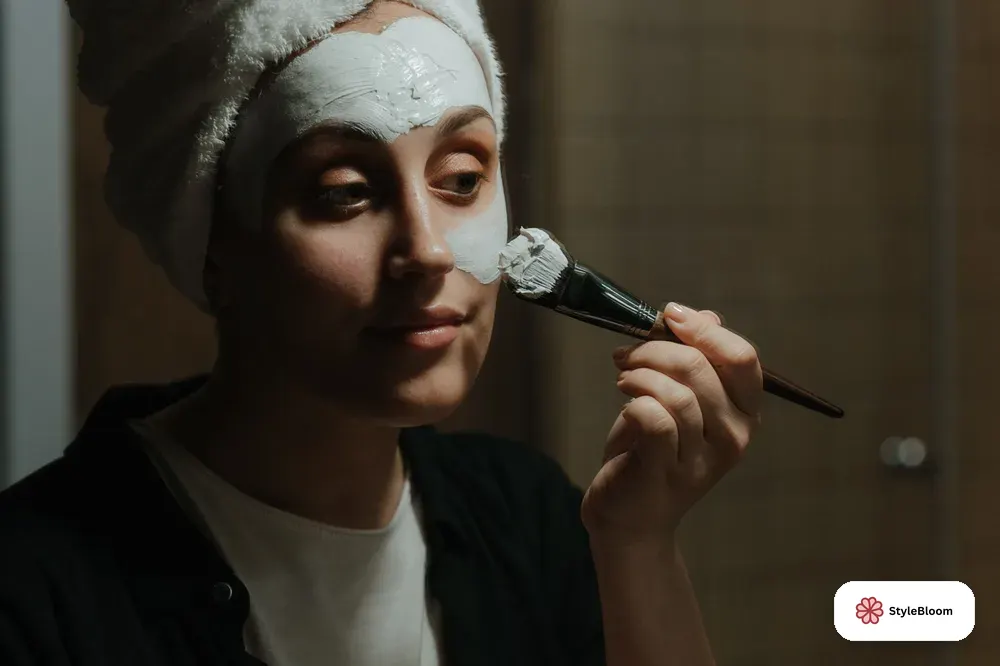
How long a kit lasts
A kit lasts as long as its fastest-running step, and that is usually the cleanser. A cleanser is used twice a day and washed away, so it runs out first. A moisturiser is used twice a day too, but in a smaller amount, so it lasts longer. A serum is used in drops, so it lasts the longest. When you buy a kit, the question is not how big the bottles are.
The way to make a kit last is to use the right amount. A cleanser needs a coin-sized amount, not a palmful. A moisturiser needs a pea-sized amount for the face, not a thick layer. A serum needs two or three drops, not a full dropper. When a step runs out, replace only that step. Do not throw away the kit and buy a whole new one because the cleanser is empty and the moisturiser is half full. That is how a kit stays good value over time.
Expiry matters more than most buyers think. A kit that has been open for six months is not the same as a kit that was opened yesterday, and a product that smells different, has changed colour, or has separated has gone off and should be thrown away. Write the date you opened each step on the bottom of the bottle with a pen. A kit that is used daily runs out before it goes off.
Seven mistakes that waste a kit
The mistakes below are the ones I see most often, and every one of them wastes a kit that was good when it was bought. They are not about buying the wrong brand. They are about using a good kit badly, and they are all easy to avoid once you know them.
- Starting every step on the same day. If your skin reacts, you will not know which step caused it. Start the cleanser and moisturiser first, wait a week, then add one step at a time.
- Using too much of everything. A palmful of cleanser and a thick layer of moisturiser do not work better than the right amount — they run out faster and they can irritate the skin. A coin of cleanser and a pea of moisturiser is enough.
- Skipping sunscreen. A morning routine without sunscreen is unfinished. The sun undoes the work of every other step, and no serum can repair what sunlight breaks down faster than you can rebuild it.
- Exfoliating every day. An exfoliant once or twice a week is enough. Every day strips the skin barrier, and the result is redness, flaking and breakouts that look like the kit is failing when it is the routine that is failing.
- Mixing too many actives at once. A strong acid and a strong retinol on the same night will irritate most skin. Use one active at a time, on different nights, and let your skin tell you when it is ready for the second.
- Judging a kit after three days. Skin turns over in weeks, not days. A kit needs four to six weeks before you can fairly say whether it works. Three days of use tells you only whether it irritates you, not whether it helps you.
- Buying a kit for someone else's skin. A kit that gave your friend a glow can break you out, because your skin is not hers. Buy for your skin type, your concerns and your budget — not for a review, a video or a friend's face.
Who should skip a facial kit
Some people should not buy a facial kit at all, and saying so plainly is part of an honest guide. If you have a skin condition that is being treated by a doctor — eczema, rosacea, severe acne, or a skin infection — a kit is not the answer, and a new kit can make the condition worse. See the doctor first, use what the doctor prescribes, and add a kit only when the doctor says your skin is ready for it.
If your skin is highly reactive — if most new products make it red, sting or itch — skip the multi-step kit and buy a single gentle cleanser and a single gentle moisturiser instead. Start with two steps, patch test them, and add a third only when the first two have been calm for a month. The same goes if you have just had a procedure — a peel, a laser treatment, or a microneedling session. Your skin is healing, and a kit full of actives will slow that healing. Wait until the skin has settled, then start with the gentlest steps.
If you already have a routine that works, you do not need a kit. A kit is a way to start a routine, not a way to replace one that is already doing its job. Keep the routine that works. The kit will still be there when you need it.
Red flags in kit claims
Four claims should make you put a kit back on the shelf. The first is a promise of a result in a number of days — a glow in three days, clear skin in a week, wrinkles gone in a month. The second is a claim that a kit is for every skin type. No kit is for every skin type, because dry skin and oily skin need opposite things, and a kit that claims to suit both is a kit that suits neither well.
The third is a long ingredient list that hides the actives. A kit that lists twenty botanicals and no active ingredient at a useful strength is a kit that smells nice and does little. The fourth is a before-and-after photo with no date, no lighting note, and no mention of what else the person used. A photo that does not say how long the result took, or whether the person also had a treatment, is not evidence. It is advertising.
One more thing to watch for is the word "natural" used as a promise of safety. What matters is not whether an ingredient grew in a field or was made in a factory. What matters is whether it suits your skin, whether it is used at a strength your skin can handle, and whether the formula as a whole is made for your skin type.
What to try first: Wash your face with a gentle cleanser, wait ten minutes, and look at your skin — the tightness or shine you see then tells you your skin type, and the skin type tells you which kit to buy. Good looks like: a routine you still use in a month, skin that feels comfortable, and no new breakouts. If it fails: the kit does not suit your skin type, or you started too many steps on the same day — stop, go back to two steps, and add one at a time. Learn next: Skincare Routine for Beginners - the beginner routine that builds on this guide.
Frequently asked questions
- What is a facial kit?
- A facial kit is two or more skincare products sold as one set, with the steps meant to be used in order. The smallest kits have a cleanser and a moisturiser. A fuller kit adds a toner, a serum, an exfoliant or a mask. The steps in a kit are chosen by one brand to work together, and the kit is sold at one price.
- Is a facial kit better than buying products separately?
- It depends on what you need. A kit is usually cheaper than the same steps bought one by one, and the steps are made to work together. But if a kit has steps you do not need, you have paid for products you will not use, and buying singly wins. Compare the kit price against the total of the steps you actually need.
- What should a facial kit include?
- At minimum, a cleanser and a moisturiser — those are the two steps you cannot skip. A fuller kit adds a toner, a serum, an exfoliant or a mask. No kit needs to include everything. What matters is that the steps it has are the ones your skin type needs, and that the steps it lacks are the ones you can add later if you want them.
- Which facial kit is best for dry skin?
- A hydrating kit, with a gentle cleanser, a serum and a rich moisturiser. Look for ceramides, hyaluronic acid and glycerin, which hold water in the skin. Avoid strong foaming cleansers and high-strength acids, which strip the little oil dry skin has and will sting and flake it further.
- Which facial kit is best for oily skin?
- A balancing kit, with a gel cleanser and a light moisturiser. Look for niacinamide and salicylic acid, which calm oil and keep pores clear without stripping. Avoid heavy creams, which sit on the skin and clog it, and do not skip moisturiser — skipping it makes oily skin produce more oil.
- Which facial kit is best for acne-prone skin?
- An acne kit, with a cleanser, a treatment step and a moisturiser. The treatment is the part that matters, because acne needs an active ingredient — salicylic acid or benzoyl peroxide — that reaches into the pore. Avoid harsh scrubs, which spread a breakout, and heavy oils, which feed it.
- Which facial kit is best for sensitive skin?
- A sensitive kit, with a gentle cleanser and a moisturiser, both fragrance-free, with a short ingredient list. Look for ceramides, aloe and calendula. Avoid fragrance, alcohol, strong acids and scrubs. Patch test every new step on the inside of your wrist and wait a day before you put it on your face.
- How do I use a facial kit in order?
- Cleanse, treat, moisturise, protect. Cleanse first so the treatment can reach the skin. Put the treatment on clean skin. Moisturise to seal in the treatment and the water. Put sunscreen last in the morning, because it has to sit on top of everything to work. Reverse the order and the later steps cannot get through.
- How often should I use a facial kit?
- The cleanser and moisturiser twice a day, every day. A serum once a day or as the kit directs. An exfoliant once or twice a week, in the evening. A mask once or twice a week, for ten to fifteen minutes. The daily steps are the cleanser and the moisturiser. The rest are weekly or as needed, not daily.
- Do I need to patch test a new kit?
- Yes, every new step, one at a time. Put a small amount on the inside of your wrist or behind your ear, wait a day, and look for redness, itching or swelling. If nothing happens, use it on your face. If your skin reacts, stop that step and do not try another new one until the reaction has settled.
- Does the CeraVe bundle include sunscreen?
- No. The CeraVe skincare bundle is a cleanser and a moisturiser, and it has no sunscreen, no exfoliant, no serum and no mask. That is by design — it is a two-step starter. Buy a face sunscreen with it, because a morning routine without sunscreen is unfinished, and sunlight ages skin faster than any routine can repair it.
- Can I use a facial kit every day?
- The cleanser and moisturiser, yes — twice a day. The treatment steps, it depends. A gentle serum can be daily. An exfoliant cannot be daily — once or twice a week is enough, and daily use strips the skin barrier. A mask is weekly. Using every step every day is the fastest way to irritate skin that was fine.
- How long does a facial kit last?
- As long as its fastest-running step, which is usually the cleanser, because it is used twice a day and washed away. A moisturiser lasts longer, and a serum lasts longest because it is used in drops. Use the right amount — a coin of cleanser, a pea of moisturiser, two or three drops of serum — and replace only the step that runs out.
- What is missing from most facial kits?
- Sunscreen, almost always. Most kits also leave out an exfoliant, a serum or a mask, depending on how many steps they have. A two-step kit misses the most, and a complete kit misses only sunscreen. Judge a kit by what is missing, and buy the missing step that matters — sunscreen first, then an exfoliant, then a serum or a mask if your skin asks for it.
- Is a facial kit worth the money?
- Yes, when it matches your skin type, covers the steps you actually need, and costs less than those steps bought singly. A simple kit used every day is worth more than an expensive kit used twice a week. A kit is not worth it when it has steps you do not need, when it does not suit your skin type, or when you already have a routine that works.