
Best Spice Rack Organizer (2026): Every Type, Measured
The best spice rack organizer is the one that fits the space your spices already live in: a drawer insert for a spare drawer, a pull-out rack for a cabinet, a tiered rack for the counter, and magnetic tins for the side of the fridge. Buy the type first, the brand second, and measure three numbers before either.
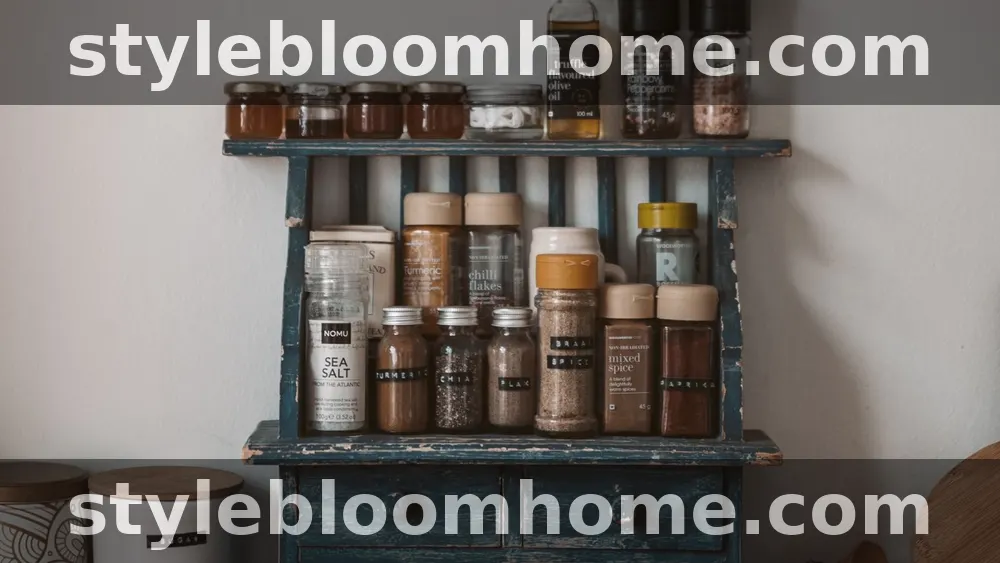
As an Amazon Associate, StyleBloom earns from qualifying purchases made through links on this page, at no extra cost to you. Our picks are chosen on their merits — no brand paid for placement — and every price in this guide was verified live on October 31, 2026, or is labelled check-at-checkout where it was not. Check the current price before you buy, because prices and stock change.
The best spice rack organizer is the one that shows you every label without moving another jar, holds the jars you already own without forcing you to decant into new ones, and stays put when you pull a jar out one-handed mid-recipe.
There is no real tested comparison in this category — only one tested list of four favorites from a review that installed and filled eighteen racks. Everything else is a retailer roundup or a photo gallery. So we read that tested review in full, the manufacturers' specification pages, and live retailer listings, and built the full guide the tested list leaves out.
Start with the space, not the shopping. Spices in a drawer want a drawer insert. Spices in a cabinet want a pull-out or a tiered shelf. Spices on the counter want a tiered rack or a carousel. Spices with nowhere to go want the wall, the inside of a cabinet door, or the side of the fridge.
Why trust this guide. We searched fresh on October 31, 2026, and read the live pages at writing time. We did not lab-test racks ourselves and do not pretend otherwise; where long-term wear matters, we report what the manufacturer states and what the tested review observed. No pick here is sponsored.
How we chose what counts
Form before brand. The most common mistake is brand-first shopping: picking a beautiful rack, then discovering it holds 12 jars when you own 36, needs screws in a rental, or will not let your tallest jar fit under the shelf above it. Every section below starts with the space and the jars, and only then names products.
Measured, not vibes. Every pick below carries at least one measured fact: footprint, width range, jar capacity as tested, or maximum jar width, read from the live specification or the tested review.
What counts as a win. A rack wins here when every label is readable without moving another jar, when the jars you already own fit without decanting into new ones, and when the rack stays put when you pull a jar out one-handed mid-recipe.
Which type fits your kitchen?
If you have a spare drawer. A drawer insert is the best storage in this whole guide. Jars lie at an angle with labels facing up, you read every label at a glance, and the drawer closes over them, keeping out the light. The price is one drawer of kitchen real estate and a depth check: most inserts need a drawer at least 3 inches deep, and tall jars may not clear the drawer above.
If your spices live in a cabinet. A pull-out rack fixes the classic problem — jars three deep, the one you want always at the back — by bringing the back row to you. The trade-off is installation, since most pull-outs screw into the cabinet, and height: a rack far above or below eye level is harder to read, which the tested review noticed with a wire pull-down model. If you rent or will not drill, the no-drill answer is a tiered shelf on the cabinet floor, or a pull-down drawer unit like the SpiceStack that needs no screws at all.
If your spices live on the counter. A tiered rack or a revolving carousel keeps jars visible and reachable, and both genuinely suit the eight or ten spices you cook with every week. The trade-off is counter space and light: spices fade faster in light and heat, so a countertop rack belongs away from the stove and out of direct sun, holding a working set while the bulk of the collection stays in a dark cabinet.
If you have no drawer, no shelf, and no counter. The wall, the inside of a cabinet door, and the side of the fridge are real storage, not consolation prizes. A hanging basket or wall rail holds the daily set within reach; magnetic tins turn dead fridge-side space into a spice wall. The trade-off is capacity — these hold fewer jars — and exposure, so they suit cooks who like their spices on display and cook often enough that jars turn over before they fade.
If you own more than 36 jars. No single rack in this guide is designed for a 40-plus collection. The honest answer is two systems, not one bigger rack: a drawer insert or pull-out for the daily twenty, and a second tiered shelf or a second insert for the rest.
At a glance: comparison table
Every type on one table, on the dimensions that decide. Capacities are tested capacities from the Serious Eats review or the manufacturer's stated capacity where noted; prices are the ones we verified live on October 31, 2026,
| Type | Best for | Tested or stated capacity | Jar fit | Install | Price checked |
|---|---|---|---|---|---|
| Drawer insert, expandable | Spare drawer, label-up reading | 24 bottles (Lynk, tested) | Standard jars; wide tins may not fit | None — drops in | Check current price |
| Cabinet pull-out, slide-out | Narrow cabinets, back-row access | 20+ jars (Lynk double, tested) | Original containers; no special jars | Screws + drill | $44.99 at Target, in stock |
| Cabinet pull-down drawer unit | Cabinets, no-drill, renters | 24 bottles (SpiceStack, tested) | Max jar width 2¼ inches | None — sits on shelf | Check current price |
| Countertop tiered set with jars | Starting from zero, counter display | 28 jars (SpaceAid set) | 2-ounce square glass jars included | None | $39.99 at Target (out of stock at check); $36.99 at Lowe's |
| Revolving carousel, pre-filled | First spice collection, countertop | 20 jars (Kamenstein) | Brand's own jars only | None | Check current price |
| Wall-mounted / hanging basket | Small kitchens, daily set on show | 5–12 jars by model | Standard jars and tins | Hooks or screws vary | Check current price |
| Magnetic, fridge-mounted | Dead fridge-side space, small sets | 24 jars (HuggieGems 4-pack, tested) | Standard jars on shelves; tins for small sets | None — magnets | Check current price |
| Bamboo drawer insert, expandable | Wide drawers, large collections | 18–30 jars (ZRI, tested); up to 48 (SpaceAid insert) | Standard jars; 3-inch-deep drawer needed | None — drops in | $29.98 on Amazon as of Oct 23, 2026 |
Capacity numbers are not comparable across brands unless the jar size is the same. A rack that holds 40 small 2-ounce jars may hold 20 standard 4-ounce jars. The jar-fit column matters more than the capacity column,
Measure first: three numbers before you buy
Number one: the width and depth of the space. For a drawer, measure the inside width and depth, front to back. The Lynk expandable insert fits drawers 13.25 to 26.5 inches wide, and the ZRI bamboo rack expands from 12 to 22.2 inches — narrower than the rack's minimum and it will not sit flat; wider than its maximum and it will slide. For a cabinet, measure the inside width of the opening and the shelf depth: the SpiceStack needs 10.5 inches of width and 11 inches of depth, and the Lynk double pull-out needs just 4.25 inches of width but 10.25 inches of depth.
Number two: your tallest and widest jar. Most grocery-store spice jars hold 4 ounces, smaller ones hold 2 ounces, and blends and spice-adjacent ingredients like sesame seeds often come in 8-ounce vessels, according to the tested review — and those three sizes behave differently in the same rack. The SpiceStack's own FAQ states a maximum jar width of 2¼ inches, which rules out wide tins and oversized blend jars. Drawer inserts add a height limit too: the jar must clear the drawer above it when the drawer closes, so measure the tallest jar lying at the insert's angle, not standing up.
Number three: the clearance above the shelf. For cabinet racks, measure from the shelf the rack sits on to the shelf above it, and subtract the rack's height: the SpiceStack stands 8.3 inches tall, the SpaceAid 28-jar set stands 10.8 inches, and a tall jar on the top tier needs room to lift out. For door-mounted racks, measure the door's clearance against the shelves inside when the door closes — the tested review found a door rack that bumped the existing shelves in a lower cabinet and sat out of reach in an upper one. Our pantry organization guide covers the same measure-first habit for the rest of the pantry.
The same measure-first habit pays off in the bathroom too — our shower caddy guide starts from four measurements.
Best drawer spice organizers
Drawer storage is the best spice storage most kitchens can have. Jars lie tilted with labels facing up, the drawer closes over them and keeps out the light, and nothing hides behind anything else. The tested review's top pick overall was a drawer insert.
Best for most drawers: Lynk Professional Expandable Organizer. The Lynk insert is built from alloy steel, expands to fit drawers from 13.25 to 26.5 inches wide, and held 24 bottles in the tested review's fill test. Its footprint is 16.5 by 10.25 inches and it stands just 1.5 inches tall, which is why it fits drawers that taller inserts cannot. The honest limits: drawer storage is not practical if you have no spare drawer, and depending on drawer depth, wide bottles and large tins may not fit — narrow tins should be fine, in the review's words.
Best for wide drawers and big collections: expandable bamboo inserts. The ZRI bamboo rack in the tested review expands from 12 to 22.2 inches wide, holds 18 to 30 standard jars, and needs almost no installation — set it in the drawer and slide it to width. Bamboo's honest trade-off is porosity: the review notes it may discolor with wear or a turmeric spill, where plastic wipes clean. The SpaceAid bamboo insert goes further on capacity, stating room for up to 48 jars across four tiers, expanding from 12 to 23 inches wide, and it needs a drawer 3 inches deep. Its price was recorded at $29.98 on Amazon as of October 23, 2026, against a $32.98 list price — check the current price before you buy, because that record is a week old.
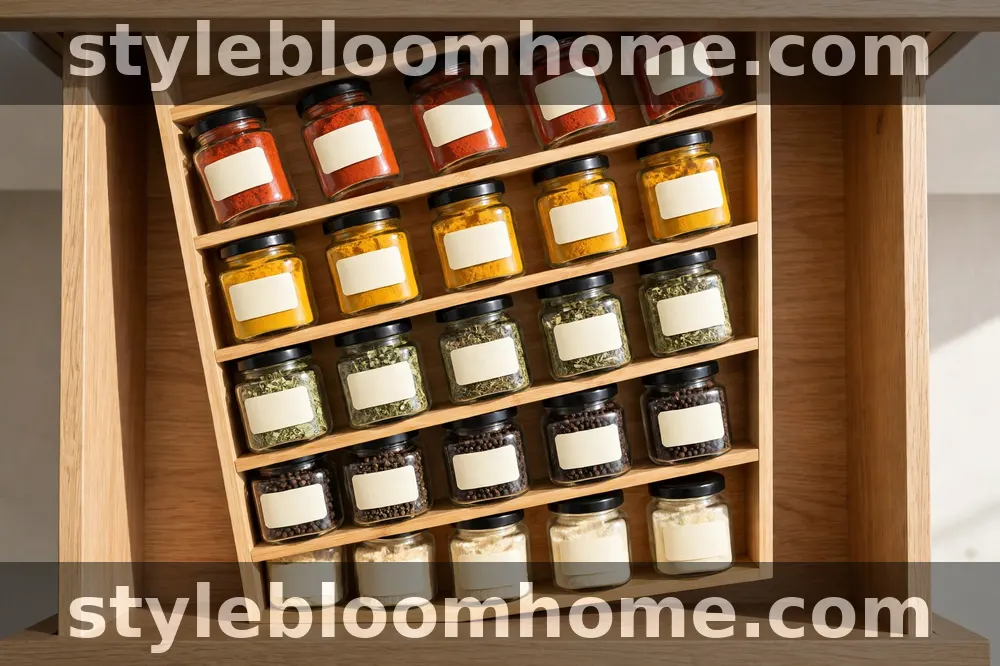
Skip this if: your only drawer is shallow, your tallest jar cannot lie at an angle under the drawer above, or the drawer is the one drawer the whole kitchen shares with utensils. In any of those cases, the cabinet pull-out below is the better answer, not a smaller insert.
Best cabinet pull-out spice racks
Cabinet pull-outs solve the one problem every spice cabinet has: the back row. Instead of reaching past two rows of jars, you pull the whole rack toward you and the back row comes with it. The tested review's pull-out pick earned its place on space efficiency alone — up to 20 spices in four inches of horizontal shelf space —
Best for narrow cabinets: Lynk Professional Double Pull-Out. The Lynk double is a two-tier, screw-mounted pull-out in stainless steel and wood, 10.25 inches deep, 4.25 inches wide, and 9.25 inches tall, holding 20 or more jars. It uses full-extension ball-bearing glides, so the rack comes all the way out, The honest limits are the ones the tested review names: ease of use varies with cabinet height — a rack installed far above or below eye level is harder to read — and it is not renter-friendly, because installation means screws inside the cabinet and a drill. Target listed the 8-inch Lynk slide-out upper-cabinet organizer at $44.99, in stock, when we checked on October 31, 2026; check the current price and exact width variant before you buy.
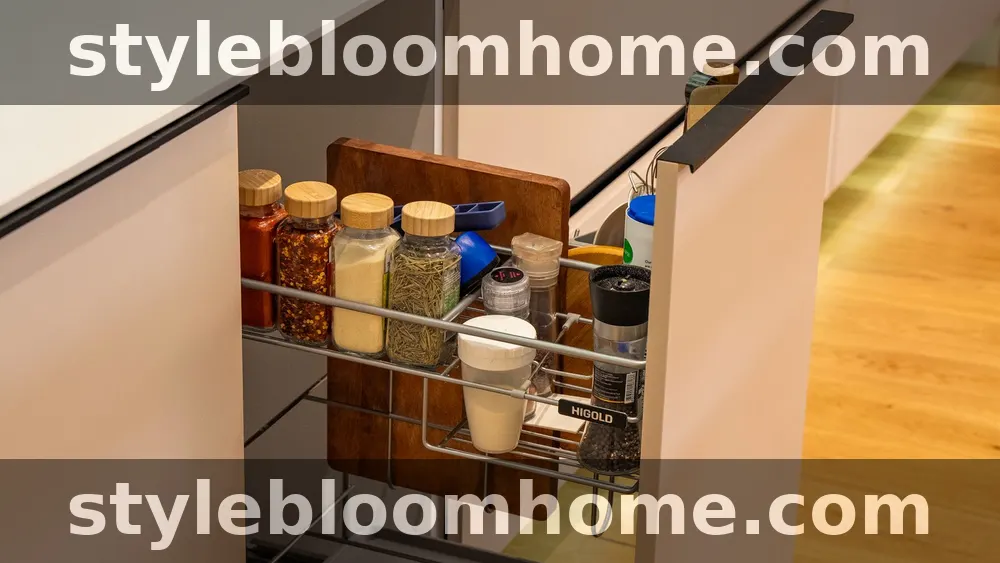
Best no-drill cabinet answer: YouCopia SpiceStack. The SpiceStack is a pull-down drawer unit that sits on a cabinet shelf — no screws, no drill — with three drawers that glide out and lower to a resting position so you can read labels at eye level. The tested review fit 24 bottles in it, and the current 24-bottle version measures 11 inches deep, 10.5 inches wide, and 8.3 inches tall, with adjustable dividers and 104 labels included. YouCopia's own FAQ states the one limit that matters: jars wider than 2¼ inches will not fit the slots, and the unit does not include jars — it is designed around the standard grocery-store bottles you already own. Pull the drawers out slowly and level: a hurried pull can drop jars, as one verified buyer noted. The Container Store's swinging pull-down wire rack sent bottles tumbling in the tested review — prefer a level glide.
Best countertop spice racks and carousels
Countertop racks earn their counter space only for the working set — the eight to twelve spices you reach for weekly. Everything else belongs in the dark. Buy a countertop rack for the daily set, not for the whole collection, and put it away from the stove and out of direct sun,
Best complete set: SpaceAid 4-Tier Spice Rack Organizer with 28 jars. This is the buy-it-once set for a cook starting from near zero: a four-tier steel rack, 28 square 2-ounce glass jars with sift-and-pour lids and airtight metal caps, 386 labels, a funnel, and a chalk marker. It measures 13.4 inches wide, 4.4 inches deep, and 10.8 inches tall, Target listed it at $39.99 and out of stock when we checked on October 31, 2026; Lowe's listed the same set at $36.99. Check the current price and stock; note these are 2-ounce jars, so cooks on 4-ounce grocery jars will refill often.
Best revolving carousel: Kamenstein 20-jar revolving rack. The carousel is the classic countertop answer: spin, read, grab. Kamenstein's 20-jar revolving rack comes pre-filled with spices in glass jars with shaker lids and labelled caps, which makes it the simplest start-from-zero in this guide — open the box, and the working set is stocked. The limit is the one the tested review names for all pre-filled sets: it can only be used with the brand's jars, so when a jar empties you refill that jar rather than swapping in a grocery bottle, and the spice selection is the brand's, not yours. If you already own jars you like, a carousel that holds your own jars — the Copco two-tier turntable held 40 bottles in the tested review's fill test — is the better buy. The rule for tiered racks is the review's visibility rule: every label must be readable without moving the jar in front of it. Our kitchen cabinet organization guide applies the same habit to the whole cabinet.
Best wall-mounted and door-mounted spice racks
Wall and door storage suits one situation well: a small kitchen where the counter is spoken for, the drawers are full, and the daily set still needs a home within reach. It holds fewer jars than any other type, it puts spices on display, and it asks one question before anything else: can you mount it where you cook, and — if you rent — are you allowed to?
Wall-mounted rails and hanging baskets. A rail with hanging baskets, or a set of shallow wall shelves, holds the daily five to twelve jars at eye level beside the prep area. The hanging wire basket in the photo below holds five labelled jars against a tiled wall: pepper, seasoning, sugar, and salt within one grab of the stove. Wall racks fail when they are asked to hold the whole collection — thirty jars on a wall is a display, not storage, and the light exposure works against flavor.
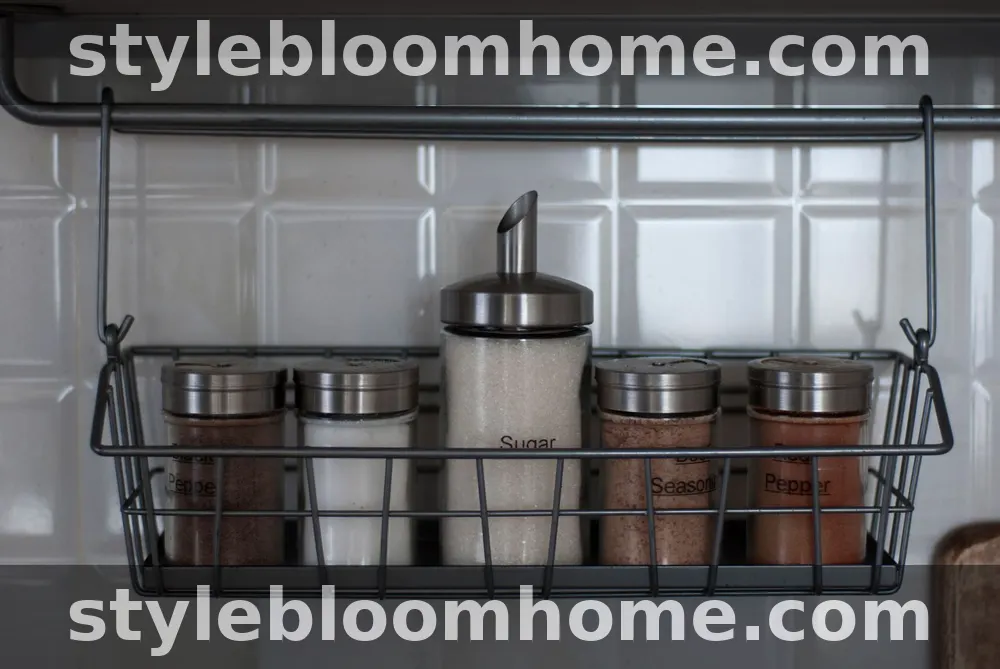
Door-mounted racks, and the renter rule. The inside of a pantry or cabinet door is genuinely useful space: shallow racks there hold a row or two of standard jars without taking a shelf. The tested review's warning is the one to heed: its door rack, hung on an upper cabinet, put spices just out of reach for a 5-foot-6 tester, and in a lower cabinet it bumped the existing shelves. Measure the door's swing and the clearance against the shelves inside before you buy, If your lease forbids holes, the honest no-drill options are a countertop tiered rack, a SpiceStack-style unit, magnetic storage, and adhesive rails rated for the weight of full glass jars — check the weight rating, not the marketing, because a rail that peels off the tile at midnight, jars and all, is a mess no one needs. Our small-apartment organizing guide covers the same no-drill thinking for the rest of a small kitchen. Skip wall storage if: you cook with more than a dozen spices regularly, your wall space is above the stove, or you would rather not look at your spices all day — a drawer or cabinet answer serves you better.
Best magnetic spice racks
Magnetic storage turns the side of the fridge — usually dead space — into a spice wall.
Best magnetic shelves: HuggieGems 4-pack. The tested review's magnetic pick is four separate metal shelves that stick to any magnetic surface, holding 24 standard spice jars between them, with four detachable hooks for towels or utensils. Not every stainless-steel fridge is magnetic — test yours with a fridge magnet first.
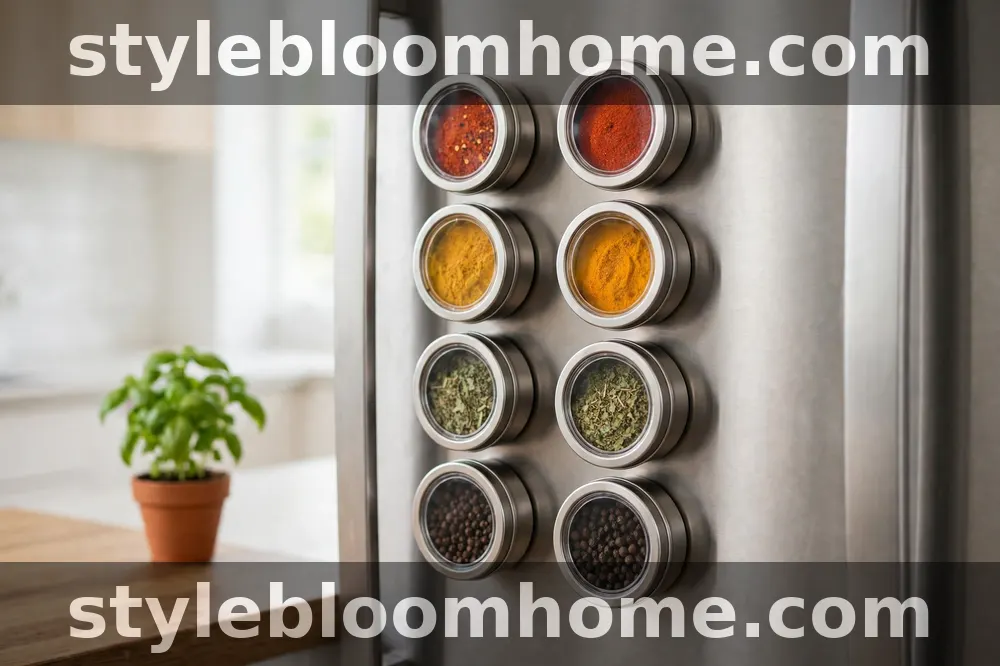
Best magnetic tins for small sets, and the two checks. Round magnetic tins with clear lids — the kind in the illustration above — suit a small, high-turnover set: the eight or ten spices you use weekly, decanted into tins, visible at a glance. They hold far less than a jar, typically 2 to 4 ounces, so they suit cooks who buy small quantities and refill often, and they fail for bulk buyers and for anyone who wants the original jar. Second, the heat check: the side of the fridge beside the oven, or in direct sun, is a warm wall, and warmth fades spices — magnetic storage belongs on a cool fridge side, away from the oven, with the daily set only,
Jars, labels, and decanting
A rack that needs new jars is a bigger purchase than the rack. Before you buy a jar set, check whether the jars you already own fit the rack.
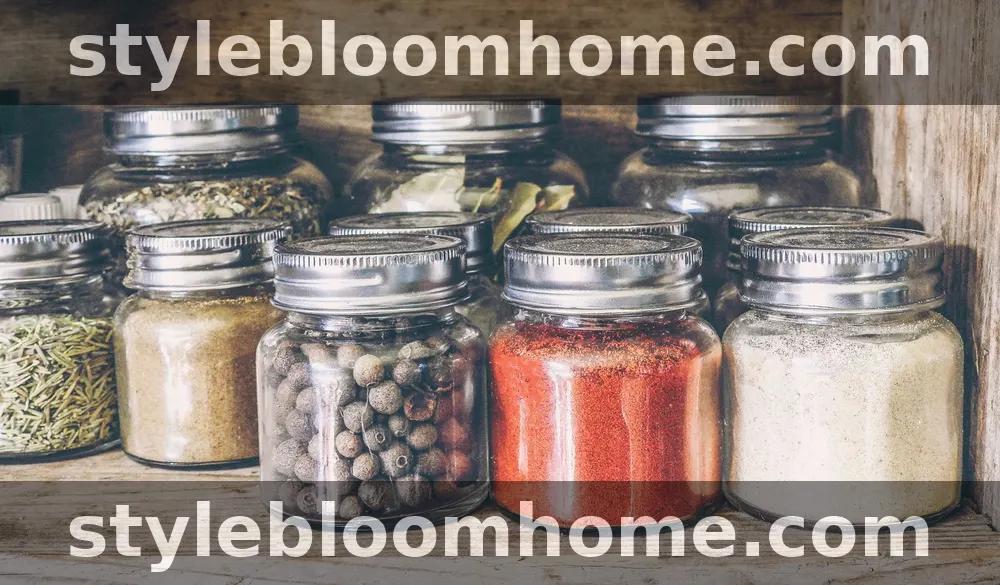
Glass or metal? Glass wins for most kitchens. Glass is non-porous, so it keeps oxygen out and does not hold the last spice's smell, and you can see how much is left without opening the jar. The tested review's advice for whole spices is a glass jar with a wide opening, because large pieces like whole nutmeg or star anise bottleneck at a small mouth. Metal tins win for magnetic storage and for travel, and good stainless tins seal well, but you cannot see the level, and cheap tins dent and lose their seal. Plastic jars are the budget answer and the worst keeper: they hold odors, they stain with turmeric, and thin plastic breathes.
Matching jars or original containers? Matching jars look calm and photograph well, and they make a tiered rack read as one system. But decanting thirty jars is an afternoon's work, and every decant is a chance to spill, mislabel, or mix. The practical answer most cooks land on: keep the original grocery jars — the Lynk pull-outs and the SpiceStack are both designed around them — and decant only the spices you buy in bulk or in bags. If you do decant, decant one jar at a time, label it before you fill it, and keep the original bag until the jar is labelled and sealed.
Labels that actually work, and jar sets worth buying. A label has one job: readable at arm's length, mid-recipe, with wet hands. Put the label where you will read it: on the lid for drawer storage, where you look down at the jars, and on the side for shelf and wall storage, where you look across at them. A jar set is worth buying when it includes the rack, the jars, the lids, and the labels in one box at a price you have verified — the SpaceAid 28-jar set is the worked example in this guide. It is not worth buying when the jars are the wrong size for your cooking, when the lids are shaker-only with no pour side, or when the set costs more than the rack and jars bought separately. Check the jar volume before you buy: 2-ounce jars suit a cook who refills often; 4-ounce jars suit the standard grocery bottle; 8-ounce jars suit bulk buyers and blends.
Keeping flavor: how to store spices
The flavor rules are older than any rack in this guide, and they are the reason the best storage is a drawer or a dark cabinet rather than a sunny shelf: keep spices in tightly sealed containers in a cool, dark space, label them clearly, and store them in single rows so every label shows. Heat, light, air, and moisture are the four things that fade spices.
How long spices actually last, and whole versus ground. Ground spices stay at their best for 6 to 10 months, and whole spices for up to two years, according to the tested review — and "at their best" is the honest phrase, because old spices do not become unsafe, they become faint. The smell test is the real expiry date: crush a pinch and smell it. If the aroma is faint, the spice is done as flavor, whatever the date on the jar says. Whole spices keep their aromatic oils longer because less surface is exposed to air — peppercorns, cumin seed, coriander seed, and cinnamon sticks all outlast their ground versions by a wide margin — so if you cook with cumin, coriander, or pepper weekly, a small grinder and whole spices will taste noticeably better within a month than the ground jar you opened last year.
How chefs store spices, and what not to store with them. Professional kitchens store spices the same way: labelled, airtight, cool, dark, in single rows, with the daily set closest to where they cook. Keep spices away from the dishwasher's steam, the kettle, and the sink's splash zone: moisture clumps ground spices and invites mold. Never store spices in the fridge — the cold is not the problem, the condensation when the jar comes out is.
Who is it for?
Small kitchens. You have one drawer, one shelf, or one stretch of counter — not all three. Take the magnetic set or the hanging basket for the daily five, and keep the rest in a single tiered shelf inside the one cabinet you have. Do not buy a 28-jar set for a kitchen with room for twelve jars; the set will live on the floor, and the floor is not storage. Measure the one space you have, buy for it,
Renters. Your rack must not need a drill, must not need a screw, and must leave no mark. The SpiceStack, any tiered shelf, any drawer insert, and magnetic storage all qualify.
Big collections: 36 jars and more. Two systems, as promised: a drawer insert or pull-out for the daily twenty, and a second tiered shelf or expandable insert for the rest. Expandable inserts are the only single purchase that grows — the Lynk expands to 26.5 inches wide, the SpaceAid bamboo insert to 23 inches — At that scale, the honest system is a labelled pantry shelf with tiered steps plus the daily set in a drawer, and our pantry organization guide covers the shelf side of that system.
Bakers, gift buyers, and people who barely cook. Bakers own tall jars, wide tins, and bulk bags — vanilla, cinnamon, cocoa, baking powder — that standard spice racks do not fit, so buy for the tallest and widest container first: a deep drawer insert or a pull-out with adjustable tiers, not a 2-ounce jar set, A spice rack is a good gift when it is complete — a set with jars, labels, and a funnel, in a box, ready to fill, like the SpaceAid 28-jar set — and a bad gift when it needs the recipient's measurements, their drill, or their existing jars, And if you cook twice a week with salt, pepper, garlic, paprika, and one curry powder, you do not need a rack at all: a small basket or a single tiered shelf with five jars, in the dark, where you can find them, is the whole job.
Spice rack organizer by budget
Budgets here are shopping bands, not promises: the only prices stated as fact in this guide are the ones we verified live on October 31, 2026, and everything else goes through a live search link so you see the real price. Use the bands to decide how much of the problem you are solving, then verify the price of the exact model before you buy.
Under $30: solve one problem. A drawer liner, a single tiered shelf step, or a small magnetic set. This band buys visibility for the daily set and nothing more, and that is enough for most small kitchens. The SpaceAid bamboo drawer insert was recorded at $29.98 on Amazon as of October 23, 2026, — check the current price.
$30 to $50: solve the whole daily set. This is where the tested review's favorites live — its four kept racks ranged from $26 to $37 at its check — and where the complete sets sit. The SpaceAid 28-jar set at $36.99 at Lowe's and $39.99 at Target (out of stock at our check) is the band's complete answer, and the Lynk 8-inch slide-out at $44.99 at Target is the band's hardware answer.
Over $50: solve it beautifully, or solve a big collection. Above $50 you are buying premium materials — solid wood, heavy steel, furniture-grade bamboo — or a second system for a large collection, or a pull-out with installation hardware included. Spend here when the rack is furniture in a kitchen you love, or when the collection genuinely needs two systems. Count the hidden costs: jars, labels, and a funnel if the rack omits them, plus tools for mounted racks.
What not to buy, and when not to buy
Do not buy a rack that needs jars you do not own, or wall storage over the stove. The prettiest failure in this category is a carousel that only takes the brand's jars, bought by a cook with thirty grocery bottles — And heat and steam above the stove fade spices faster than any other placement while grease coats the jars: wall storage belongs beside the prep area, never above the hob,
Do not buy the biggest capacity, a swinging wire basket, or star ratings alone. Capacity numbers flatter: a 40-jar rack holding 2-ounce jars is a 20-jar rack for standard bottles, so buy for your jar count and your jar size, not for the biggest number on the listing. A swinging wire basket plus round bottles equals bottles on the floor — prefer a level glide, a drawer, a slide-out, or a pull-down drawer unit. And a 4.7-star average tells you the rack arrived intact and looked nice on day one; it tells you nothing about month six, about bamboo and turmeric, or about magnets and daily door slams.
After you buy: the first-week setup
Day one: measure, then assemble — and purge. Measure the space again with the rack in your hands, because listings are wrong often enough that the Target reviews for the SpaceAid set complain about incorrect dimensions. Assemble or install exactly as the instructions say, and test the glide, the swing, or the magnet empty before any jar goes in: a pull-out that scrapes, an insert that rocks, or a magnet that slides is a return, not a project. Then, before a single jar goes in the rack, smell-test every spice you own and throw out what is faint — ground spices past 6 to 10 months and whole spices past two years are the usual suspects.
Day two: fill and label, in use order. Fill the rack with the daily set first, in the order you cook: salt, pepper, and the five you reach for weekly at the front or the top tier, the rarely-used jars at the back or the bottom. Label every jar before it goes in — lid labels for drawer storage, side labels for shelf storage — with the spice name and the month and year it was opened or decanted. Group by use, not by alphabet: the curry set together, the baking set together, the grilling set together.
Week one: live with it, then adjust — and keep the habits. Cook normally for a week and notice what you reach past, what you cannot read, and what falls over. Move the daily set to the easiest reach, move the tall jar that blocks the row behind it, and tighten any screw or rail that loosened. The rack is finished when a week of cooking has not required you to think about it; if after a week you are still hunting for paprika, the type is wrong, not the brand — reread the chooser section and exchange it while the return window is open. After that: wash and dry emptied jars fully before refilling; a duplicate purchase means the rack hid the first jar — move it forward; smell-test once a season; wipe the rack down once a year.
What to try first, what if it fails, what to learn next. Try first: the drawer insert or the SpiceStack, whichever fits the space you measured. If it fails — jars do not fit, the glide scrapes, the magnets slide — return it within the window and switch types, not brands: the type was the mistake. Learn next: the pantry shelf behind the rack, because a spice rack is one shelf of a pantry system, and the same measure-first, label-everything habit organizes the rest of it. Our closet organization guide is the same thinking at room scale, if the habit takes hold.
Frequently asked questions
- What is the best way to organize a spice rack?
- Organize it so every label is readable without moving another jar: single rows, labels facing you, daily spices in front and rarely-used ones at the back. Group by use — curry together, baking together, grilling together — rather than alphabetically, and label every jar with its name and the month it was opened.
- What is the best container for storing spices?
- Airtight glass jars with tight-fitting lids are the best containers for most spices, because glass is non-porous, keeps oxygen out, and lets you see how much is left. For whole spices, choose a glass jar with a wide opening so large pieces like nutmeg and star anise fit through the mouth.
- How do professional chefs store spices?
- Professional chefs store spices in labelled, airtight containers in a cool, dark place, in single rows, with the daily set closest to where they cook and the bulk set further away. There is no secret method beyond that — the difference is turnover, because a restaurant uses up its paprika in weeks while a home jar may sit for years.
- Is it better to store spices in glass or metal?
- Glass is better for most kitchens because it is non-porous, does not hold odors, and shows the level at a glance. Metal tins are better for magnetic storage and for travel, but you cannot see how much is left, and cheap tins dent and lose their seal. Thin plastic is the worst keeper: it holds odors and stains with turmeric.
- How many spices should a spice rack hold?
- A spice rack should hold the jars you actually own, not a round number from a listing. Most home cooks use 12 to 24 spices regularly, and racks in this guide hold 18 to 28 standard jars. Count your jars first: under 12, a small tiered shelf is enough; over 36, you need two systems, not one bigger rack.
- What size spice jars fit a standard spice rack?
- Most grocery-store spice jars hold 4 ounces, smaller ones hold 2 ounces, and blends often come in 8-ounce vessels. Check the rack's stated maximum jar width — the YouCopia SpiceStack, for example, takes jars up to 2¼ inches wide — and measure your tallest jar lying at an angle for drawer inserts.
- Will a spice rack fit in my cabinet or drawer?
- Measure three numbers before you buy: the inside width and depth of the drawer or cabinet, your tallest and widest jar, and the clearance above the shelf. Compare them with the rack's stated footprint — for example, the SpiceStack needs 10.5 inches of width and 11 inches of depth, and the Lynk insert fits drawers 13.25 to 26.5 inches wide.
- Are magnetic spice racks safe on a refrigerator?
- Magnetic racks are safe on a fridge that is actually magnetic — test yours with a fridge magnet first, because not all stainless steel holds a magnet. Keep magnetic storage on a cool fridge side away from the oven and out of direct sun, and use tins with a proper seal so they do not pop open when pulled off.
- Do I need to transfer spices into matching jars?
- No. Matching jars look tidy, but decanting thirty jars is an afternoon's work and a chance to spill or mislabel. Keep your original grocery jars when the rack is designed for them, and decant only bulk or bagged spices. If you decant, label the jar before you fill it and keep the original bag until it is sealed.
- How long do spices stay fresh?
- Ground spices stay at their best for 6 to 10 months and whole spices for up to two years, according to the tested review. Old spices do not become unsafe, they become faint: crush a pinch and smell it, and if the aroma is weak, the spice is done as flavor whatever the date on the jar says.
- Should spices be stored above the stove?
- No. Heat and steam above the stove fade spices faster than any other placement, and grease coats the jars. Store spices in a cool, dark place away from the stove, the kettle, and direct sunlight, and never store them in the fridge, where condensation clumps ground spices when the jar comes out.
- What is the best spice rack for a small kitchen?
- For a small kitchen, the best rack is the one that fits the one space you have: a magnetic set or hanging basket for the daily five, or a single tiered shelf inside your one cabinet. Do not buy a 28-jar set for a kitchen with room for twelve jars — measure the space first and let the collection shrink to fit the kitchen.
- Can renters use a spice rack without drilling?
- Yes. Drawer inserts, tiered shelves, pull-down drawer units like the SpiceStack, and magnetic fridge storage all need no drilling and no screws. Adhesive rails qualify only when the adhesive is rated for the weight of full glass jars — check the rating, not the marketing — and screw-mounted pull-outs are the option renters should skip.
- I have more than 40 spice jars and no drawer space. What actually works?
- Use two systems: a pull-out rack or tiered shelf in the cabinet for the daily twenty, and a second tiered shelf or expandable insert for the rest. Expandable inserts grow with the collection — the Lynk insert reaches 26.5 inches wide — but at 40-plus jars you are storing a pantry, so keep the daily set in the cabinet and the bulk set on a labelled pantry shelf.
- My spice cabinet is deep and I keep buying duplicates I already own. Which type fixes that?
- A cabinet pull-out fixes it, because it brings the back row to you instead of hiding it three jars deep. A pull-down drawer unit like the SpiceStack does the same job without screws. Whichever you choose, put the daily set in front, label every jar with its name and date, and smell-test the whole cabinet once a season so dead spices leave before they cause a duplicate purchase.