
Best Satin Bonnet in France (2026): 6 Styles That Stay On, With Prices Verified in France
France has no local satin-bonnet buying guide worth the name, only product pages and marketplace listings. This guide fixes that: six styles, prices checked on French shops on 31 October 2026, and honest advice for straight, wavy, curly, and coily hair.
By the end of this guide, you will know which satin bonnet style suits your hair, what it should cost in France, where to buy it, and how to keep it on all night.
- Satin is a weave, not a fibre: most satin bonnets are polyester satin. The smooth surface does the work, not a luxury fibre name.
- Prices checked live on French shops on 31 October 2026 run from €12.90 to €34.99. Prices seen only in search snippets could not be verified and are not used here.
- Fit beats brand: size for hair volume, a wide soft band, and an adjustable closure matter more than any label.
- A bonnet reduces breakage from friction. It does not make hair grow.
As an Amazon Associate I earn from qualifying purchases.
Last updated: 31 October 2026. Prices were checked on French retailer pages on 31 October 2026 and can change; the Amazon.fr links are search links, so always check the price and seller on Amazon.fr before you buy.

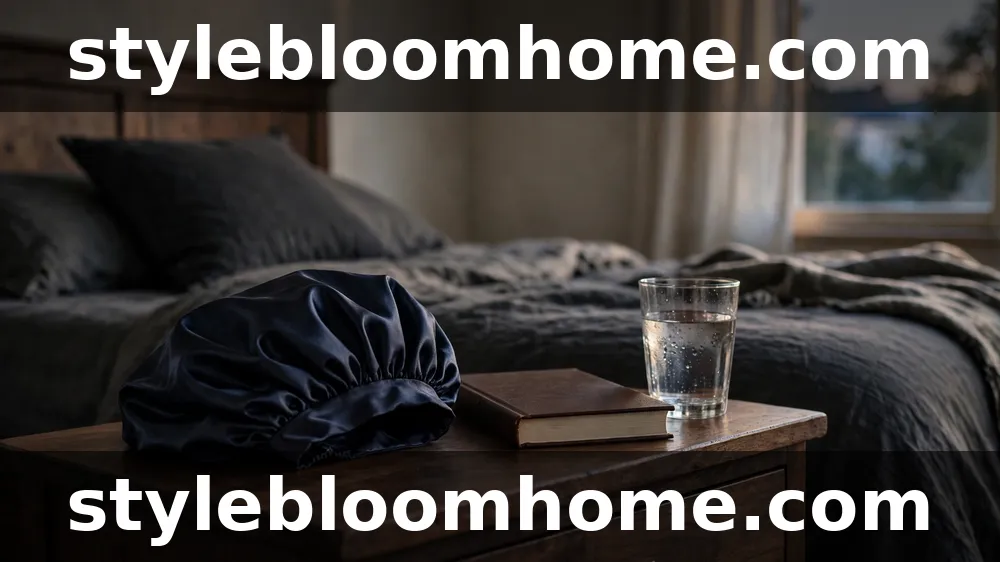
Illustration: satin bonnet on a bedside table.
What a satin bonnet actually does for your hair
The direct answer is simple. A satin bonnet is a soft cap you wear over your hair at night so your hair slides instead of catching. Your pillowcase, especially cotton, grips hair as you turn in your sleep. That repeated grip creates friction, which roughs up the hair surface, encourages tangles and frizz, and snaps fragile ends. A smooth satin surface lets hair glide. That is the whole mechanism, and its limit: a bonnet protects the hair you already have. It does not grow new hair, repair split ends, or change your hair type.
One misunderstanding causes most bad purchases. Satin is a weave, not a fibre. Silk is a fibre. A bonnet sold as satin is usually woven from polyester in a satin weave, which gives it the smooth, shiny face that slides over a pillow. A bonnet sold as silk is made from silk fibre, usually woven in a satin weave too. That is why listings saying satin silk or silk satin need a second look at the materials line. Our full satin vs silk bonnet comparison explains the weave-versus-fibre distinction and how to spot fake silk claims. The practical point: do not pay a silk price for a polyester satin bonnet, and do not dismiss a polyester satin bonnet because it is not silk. The smooth weave does the friction work in both cases; silk adds softness and breathability at a higher price, with gentler care.
Night by night, a bonnet cuts friction, helps hair keep its shape, and is kinder to moisture. Hair that slides does not rub itself into tangles, so mornings start with less knotting and less brushing, and brushing is itself a breakage risk. Curls held inside a bonnet are not pressed flat for eight hours, so the pattern survives better and needs less heat in the morning. None of this shows up in one night. The benefit is cumulative: fewer small snaps, less daily restyling, and ends in better condition because they are not abraded every night.
Who benefits most? Anyone whose hair tangles, frizzes, or breaks easily, anyone with curls or waves who wants second-day hair, anyone growing hair out, and anyone with braids, locs, or another protective style. Who benefits least? Very short hair that never tangles may notice little difference, especially on a silk pillowcase. The honest test is a week. Wear it for seven nights, check the morning tangle count and the time your routine takes, and decide from that, not from a product page.
A cultural point deserves a plain answer, because it comes up in search questions. Bonnets have deep roots in Black hair care, where protecting textured hair overnight has long been everyday practice, not a trend. A satin bonnet is a hair-care tool, and anyone whose hair benefits from less friction can use one. Using one respectfully means understanding where the practice comes from, not treating it as a costume or a joke. The questions at the end answer this directly, in the same spirit.
The best satin bonnets in France at a glance
A fresh search of French results found no guide at all for satin bonnets in France: only product pages, marketplace listings, and a category page or two. That empty field is why this guide is structured as a best-of by style rather than a list of brands. Each pick is a style first, with a French shop example whose price was checked live on 31 October 2026, and an Amazon.fr search link to compare the same style across sellers. Prices are in euros, as shown on the French shop page on that date. Amazon.fr prices change constantly, so the Amazon links are search links showing the current range.
| Style | Best for | French shop example | Price checked live |
|---|---|---|---|
| Double-lined elastic bonnet | Most people, first bonnet | La Belle Boucle night bonnet | €29.90 |
| Budget satin night bonnet | Tight budgets, trying a bonnet first | Novara Paris night bonnet | €12.90 |
| Tie bonnet with adjustable band | Slipping bonnets, restless sleepers | Emma's Wigs Shirley bonnet | €21.90 |
| Extra-room bonnet for long or thick hair | Long, thick, or high-volume hair | Emma's Wigs Kelsay bonnet | €40.95 |
| Sized bonnet for curls | Wavy, curly, and coily hair | La Belle Boucle, sizes S and M | €29.90 |
| Satin-lined winter hat | Outdoors in cold weather, not sleep | Satin Curl winter bonnet | €34.99 |
Read the table as a starting map, not a ranking of products we have handled. The double-lined elastic style is the default first buy: satin inside and out, a soft elastic band, and room for hair to sit without being crushed. The budget style is the same idea with less published detail, fine for testing whether you will wear a bonnet. The tie style suits anyone whose elastic bonnet ends up on the floor. The extra-room style is for hair a standard bonnet cannot contain without folding. The sized style matters because curl volume varies so much that one size does not fit all. And the winter hat is a different job: warmth outside with a satin lining, never a sleep bonnet.
Three checks decide more than any brand name: size up when between sizes, check the inside is satin all the way through, and make sure the band is wide and soft.
How we chose these picks
This guide rests on three kinds of evidence, with their limits stated. First, fresh French search results, checked on 31 October 2026, which showed an empty field: no guide among the results, only product pages, a marketplace category, a temporarily closed shop, and a social pin. Second, the questions people actually ask, from 913 search rows, led by whether a satin bonnet is good for hair, which is best, and satin versus silk, with clusters on staying on, washing, men, straight, wavy, and wet hair. Third, live French retailer pages, opened and read at writing time, which is where every price in this guide comes from.
What we verified live: the La Belle Boucle night bonnet page showed €29.90, in stock, a double lining of 100% polyester satin, handmade, two sizes, a soft elastic band, and machine washing at 30 degrees with a wash bag followed by air drying. The Novara Paris page showed €12.90, in stock, five colours, a 30-day satisfaction guarantee, and a 4.8 out of 5 customer rating, but little detail on material, size, or care, which is reflected in its pick below. The Emma's Wigs pages showed the Shirley bonnet at €21.90 with an adjustable tie band, and the Kelsay bonnet at €40.95 with an adjustable tie band, described for long hair. The Satin Curl page showed a winter knit hat with a full satin lining at €34.99 for one hat, tracked delivery at €4.90, free from €40, hand washing in cold water, and advice to let damp curls dry before going out.
What we dropped: prices seen only in search snippets could not be verified on a live retailer page despite further searching, and this guide does not publish snippet prices as if they were checked. A small French shop showing sold-out markers on its satin bonnets was also left out as a pick, because recommending a bonnet you cannot buy helps nobody. And no silk-weight or grade claim appears in this guide, because none was verified on a live brand page for a satin bonnet. If a listing makes such a claim for a satin bonnet, treat it as a silk claim and ask for the fibre. What we did not do: we did not handle or wear-test these bonnets, and this guide does not pretend otherwise. The picks are research-based styles, judged on published construction, sizing, closure, care, and price, with honest downsides in each pick.
The 6 best satin bonnet styles for France
Each pick follows the same pattern: what the style is, who it suits, the French shop example with its live-checked price, what is good, what is not, and a search link to compare the style on Amazon.fr. The French shop examples are the evidence; the search links are the shopping step. Open two or three listings, compare the materials line and size chart, and favour listings that state the inside lining clearly.
1. Best overall: double-lined elastic bonnet — La Belle Boucle night bonnet, €29.90
Best for: most people buying a first satin bonnet in France, especially wavy and curly hair. French shop example: La Belle Boucle night bonnet, €29.90, in stock on 31 October 2026, in two sizes. Why it wins: double-lined in 100% polyester satin, so hair touches satin whichever way the bonnet sits, with a soft elastic band designed to hold without irritating skin or ears. Size S suits short and mid-length hair; size M suits long, thick, and high-volume hair. The wash rule is clear: machine wash at 30 degrees in a wash bag, air dry. Honest downside: €29.90 is mid-range for polyester satin, and elastic loosens over months, so budget for a replacement roughly every six months of nightly use. Search Amazon.fr for double-lined satin bonnets.
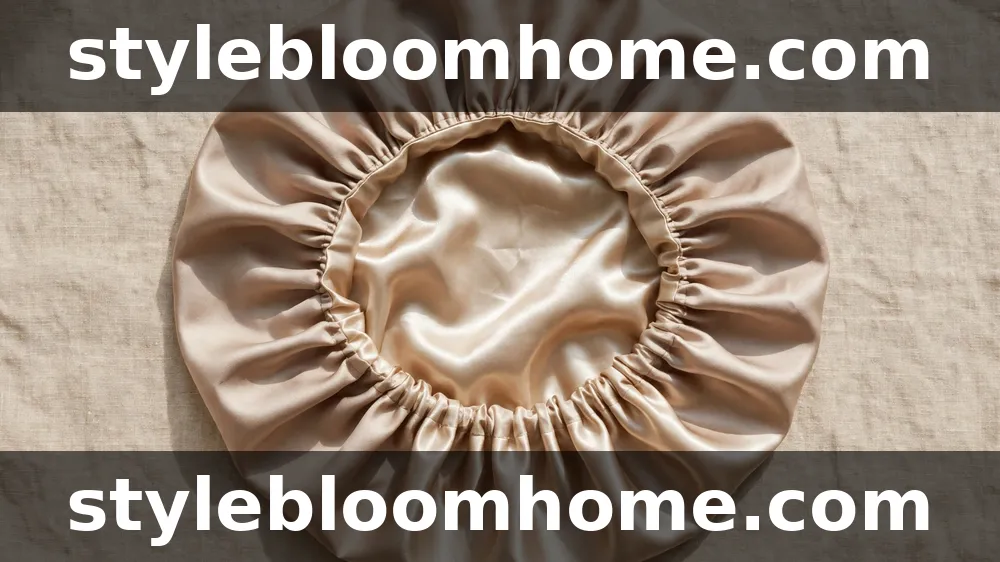
2. Best budget: simple satin night bonnet — Novara Paris night bonnet, €12.90
Best for: tight budgets, and testing whether you will actually wear a bonnet before spending more. French shop example: Novara Paris night bonnet, €12.90, in stock on 31 October 2026, in black, pink, violet, blue, and green, with a 30-day satisfaction guarantee and a 4.8 out of 5 customer rating. Why it earns its place: at less than half the overall pick's price, it removes the cost excuse, and the guarantee lowers the risk of trying. Honest downside: the page publishes very little about the bonnet itself: no materials breakdown beyond satin, no size chart, and no care instructions were visible. That thin detail is a real drawback. Treat this as a trial bonnet, and move up to a better-documented style if you wear it nightly. Search Amazon.fr for budget satin bonnets.
3. Best for slipping: tie bonnet with an adjustable band — Emma's Wigs Shirley bonnet, €21.90
Best for: restless sleepers, and anyone whose elastic bonnet ends up on the pillow or floor by morning. French shop example: Emma's Wigs Shirley bonnet, €21.90 as shown on 31 October 2026, satin with an adjustable tie band. Why it wins: a tie lets you set the tension yourself instead of relying on elastic alone, the most useful fix for slipping. Honest downside: a tie takes seconds longer to put on, the knot can press if tied at the wrong spot, and the page gives no size or care detail. Tie it at the nape or side, snug rather than tight. Search Amazon.fr for tie satin bonnets.

4. Best for long or thick hair: extra-room bonnet — Emma's Wigs Kelsay bonnet, €40.95
Best for: long, thick, and high-volume hair that a standard bonnet crushes or cannot contain. French shop example: Emma's Wigs Kelsay bonnet, €40.95 as shown on 31 October 2026, satin with an adjustable tie band, described for long hair, with free delivery from €26. Why it wins: it combines room with an adjustable closure, so hair can sit inside without being folded hard against itself, which creates the creases and tangles a bonnet should prevent. Honest downside: €40.95 is the highest price in this guide, and the page publishes no dimensions, so room is described rather than measured. If your gathered hair fits a standard bonnet with room to spare, you do not need this style. Search Amazon.fr for satin bonnets for long hair.
5. Best for curls: sized bonnet with a real size choice — La Belle Boucle, sizes S and M, €29.90
Best for: wavy, curly, coily, and high-volume hair, where one size does not fit all. French shop example: the same La Belle Boucle bonnet as the overall pick, €29.90, in stock, size S for short and mid-length hair and size M for long, thick, and voluminous hair. It earns a second listing because sizing is the feature: the brand states which hair each size suits, which most listings do not. Why it wins for curls: a bonnet too small flattens the crown and crushes curls at the nape, where frizz starts. Put hair in a loose pineapple first, then the bonnet over it, and the pattern survives far better. Honest downside: two sizes is still coarse, and very high-volume hair may need the largest style a shop sells. If you are between sizes, size up. Search Amazon.fr for large satin bonnets for curly hair.
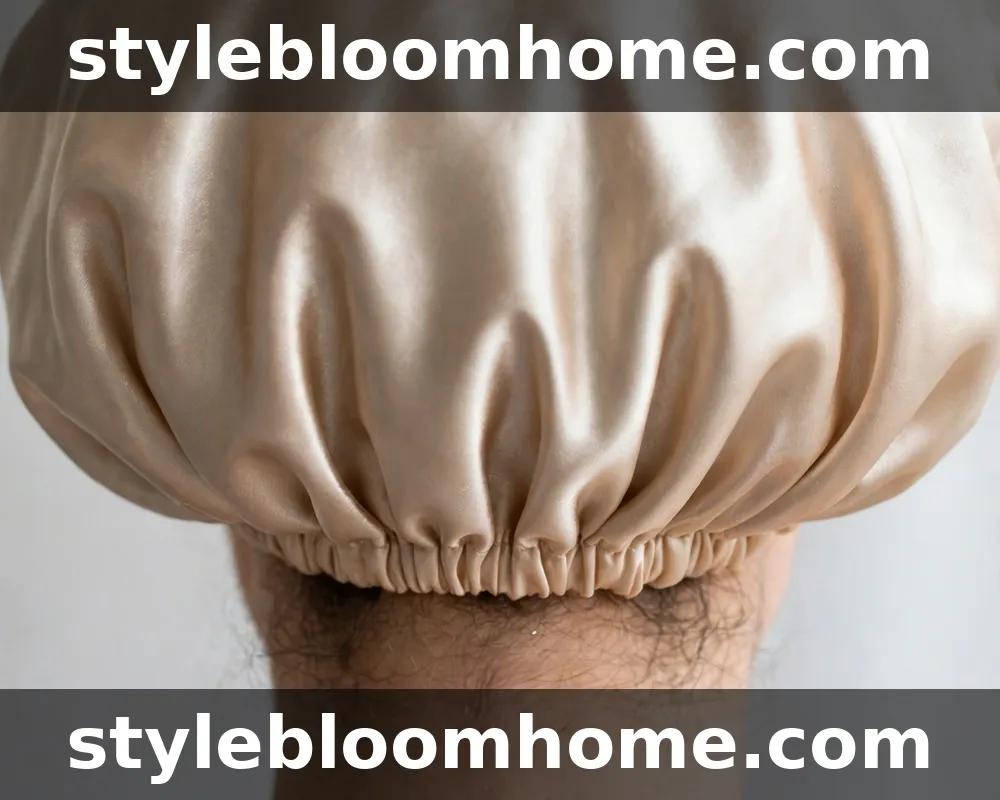
6. Best for winter outdoors: satin-lined winter hat — Satin Curl, €34.99
Best for: cold-weather days outdoors, protecting hair from knit friction and static while staying warm. French shop example: Satin Curl winter bonnet, €34.99 for one hat as shown on 31 October 2026, a ribbed knit hat with a full satin lining, one size in stretch knit, four colours, tracked delivery €4.90, free from €40. Why it earns its place: it puts satin, not knit, against the hair, and the shop gives straight care advice: let damp curls dry before going out, hand wash in cold water, do not wring, dry flat, avoid the tumble dryer. Honest downside, stated clearly: this is not a sleep bonnet. It is a warm outdoor hat at €34.99, and it will not replace a night bonnet. Buy it if winter hats wreck your hair by lunchtime. Search Amazon.fr for satin-lined winter hats.
Where to buy a satin bonnet in France
Buy in this order: a French specialist shop first, Amazon.fr second, and a general retailer third. French specialist shops are where the verified prices in this guide come from, and where you are most likely to find a materials line, a size choice, and a wash rule in full. La Belle Boucle sells direct, with free delivery from €59 and payment in three instalments from €80, as shown on its product page. Novara Paris sells direct with a 30-day satisfaction guarantee. Emma's Wigs sells direct with free delivery from €26. Satin Curl sells direct with tracked delivery and a 14-day right of withdrawal.
Amazon.fr is the practical second route, especially to compare styles quickly. Use French search terms, filter for the style you want, and read the materials line before the reviews. A listing that does not state the inside lining is not worth your money, however many stars it has. Check whether the bonnet is satin inside and out, whether a size chart is given, whether the band is wide or adjustable, and what the returns terms are. Search Amazon.fr for satin bonnets with a stated satin lining. Avoid listings that claim silk without stating the fibre, or show a stock photo that does not match the description. If a price looks impossibly low for a double-lined bonnet, it is usually a single-layer bonnet, and the listing will say so in small print if you look.
Shops you can walk into have one advantage no website has: you can feel the band and check the lining with your own hands. If you buy in person, do the three checks: size for volume, satin all the way through, wide soft band. Ask for the wash instructions before you pay, and keep the receipt until you have worn it for a week. Delivery and returns deserve care too: distance sellers must accept withdrawal within 14 days, and shops offering longer guarantees state them on their own pages. If the elastic fails quickly, the band leaves a painful mark, or the lining is not satin as described, return it rather than persevere.
Straight hair: does a satin bonnet help?
Yes, with the right expectation. Straight hair still rubs against a pillow all night, tangles at the nape, and picks up static, especially in dry winter air. A bonnet helps in three ways: it keeps the nape tangle down, so morning brushing is shorter and gentler; it reduces the flat, pressed look from hair pinned under a head for eight hours; and it protects a blow-dry for a second day, the benefit straight-haired buyers notice first. If your hair is fine and flat, a bonnet that is too big can make the flat look worse, so choose a snugger fit and gather hair loosely on top rather than stuffing it flat.
For straight hair, the simplest style is best: a standard double-lined elastic bonnet, smaller size if hair is short or fine, sized option if hair is long. Avoid oversized styles meant for high-volume curls, because excess fabric causes slipping and morning dents. Put long hair in a loose low ponytail or twist before the bonnet, so it does not fold sharply at the nape. Fine hair slips from under a loose band easily, so a tie bonnet can be better if elastic styles have failed you. Search Amazon.fr for satin bonnets for straight hair.
Wavy hair: keeping the wave without the frizz
Wavy hair is easy to flatten and easy to frizz at the same time, which frustrates many buyers. A bonnet helps by holding the wave loosely so the pillow does not press it flat, while stopping the friction that turns a wave into frizz. The key is looseness: gather hair in a loose pineapple, or a loose twist if hair is long, and let the bonnet sit over it without pulling tight. A bonnet too small crushes the wave at the crown, where damage shows first. A bonnet too big slides off, because wavy hair is often fine enough to offer the band little grip.
Choose a sized or tie bonnet with a wide soft band. In the morning, refresh with water from a spray bottle and a little leave-in product rather than re-wetting fully or reaching for heat: the wave is usually still there, just asleep. Avoid putting a bonnet on damp hair, covered below, because damp waves set in whatever shape the bonnet holds. Search Amazon.fr for satin bonnets for wavy hair.
Curly, coily, and protective styles
Curly and coily hair benefits most, because curl pattern is the most fragile thing a pillow can destroy. Eight hours of pressure and friction flattens the crown, frizzes the nape, and tangles curls into each other. A bonnet holds hair inside a smooth space, so the pattern is preserved rather than pressed. For coily and very high-volume hair, size is the whole purchase: the bonnet must hold the full volume without compressing it. For braids, locs, and protective styles, the job differs: keep the style neat, protect edges, and stop rubbing, which extends the install. A large style, matched to braid length rather than head size, is usually right.
Practical rules: pineapple first, bonnet second, every night for the first week, because consistency lets you judge the result. Do not wrap hair tightly; a loose gather preserves pattern, a tight wrap creates dents. Settle the band on the hairline, not the forehead, so it does not press edges. For braids, check bonnet length against braid length before buying: a bonnet ending halfway down long braids leaves the ends to rub the pillow. Search Amazon.fr for extra-large satin bonnets.
Satin bonnets for men
Men ask about satin bonnets more than most guides admit: the search rows behind this guide included 26 rows about men. The honest answer is that hair does not know who owns it. Friction, tangles, and breakage work the same on men's hair, and a bonnet helps in the same situations: longer hair, curly or wavy hair, hair being grown out, braids or locs, and dry or fragile hair.
Men should use the same three checks, with one extra: a style that does not read as a women's fashion accessory if that matters to you. Plain dark colours, a simple elastic or tie closure, and no bow or print will suit most men. Size matters more for short hair than expected: a bonnet made for high-volume hair slides off a short-haired head, so choose a smaller or adjustable style. There is no men's category worth paying extra for; the product is the same, and a gendered label is marketing. Search Amazon.fr for satin bonnets for men.
Wet hair: should you put a bonnet on damp hair?
No, not as a routine. A bonnet on wet hair traps moisture against scalp and hair all night, keeps hair damp for hours, encourages an itchy scalp, and lets hair set in whatever folded shape the bonnet holds. Damp hair is also at its most fragile: wet strands stretch and snap more easily. The rule applies more strongly at night, because the bonnet stays on for hours.
Hair should be dry, or at most very slightly damp from a light refresh, before the bonnet goes on. If you wash at night, dry fully first. If you refresh curls in the evening, use a light mist, not a soaking, and give it time to dry. A bonnet is a dry-hair tool.
Satin vs silk: which one should you buy in France?
Buy satin first, and silk only if you know why you are paying more. A polyester satin bonnet in France costs roughly €13 to €41 in this guide's verified examples, washes in a machine at 30 degrees with a wash bag, and tolerates regular use. A real silk bonnet costs substantially more, needs hand washing or a very gentle cycle, and is less forgiving, but it is softer, more breathable, and cooler in summer. Both reduce friction, because both present a smooth surface. Silk does not reduce friction twice as well because it costs twice as much. The difference is comfort and feel, not a doubling of protection.
If this is your first bonnet, buy satin. If you sleep hot, have sensitive skin, or already love silk pillowcases, consider silk as an upgrade once you know you will wear a bonnet nightly. If a listing claims silk at a satin price, read the materials line twice: real silk at a bargain price is not real silk. In France, satin covers most buyers, and silk is a luxury upgrade, not a necessity.
How to choose: size, band, lining, and closure
Choose in this order: size, lining, band, closure, then price. Size first, because a wrong size ruins everything else. Measure hair gathered as you will wear it at night, not your bare head: gather hair in a loose pineapple or ponytail, measure around it at its widest, and compare with the size chart. If you are between sizes, size up. If a listing gives no size chart, that is a warning: one size fits all fits only average-volume hair. Long hair needs length as well as width, so check for extra-large or long-hair descriptions.
Lining second: the inside must be satin all the way through. Double-lined bonnets are safest, because a bonnet that flips in the night still presents satin to the hair. Read the materials line for the lining specifically, not just the outer fabric. Band third: wide and soft beats narrow and tight. A band at least an inch wide spreads pressure, holds better, and leaves less of a mark. Closure fourth: elastic is simplest, a tie or drawstring is most adjustable, and a combination is most forgiving. Price last: €13 to €41 covers the verified French range, and paying more for polyester satin buys branding, not protection. Pay more only for real silk, a genuinely larger size, or a closure you need.
Three red flags should end a purchase. First, no materials line, or satin stated without the fibre: you cannot tell what you are buying. Second, no size information: you cannot tell whether it will fit. Third, a silk claim on a satin-priced bonnet: the seller is mislabelling something. Choose a plain band for sleeping, and check reviews for rough-seam complaints.
How to wear it so it stays on
Most slipping is a fit problem, not a fabric problem. Gather hair loosely: pineapple for curls and waves, a loose low twist or ponytail for long straight hair. Put the bonnet on from the front hairline backwards, tucking all hair inside without folding it hard, and settle the band on the hairline, not the forehead. The band should feel snug and forgettable, not tight. An over-tight band rides up as you move, because the elastic fights the shape of your head all night. If the bonnet slides off, work through the causes: too small, band too loose, elastic worn out, hair too slippery from heavy product, or hair put up wet. Each has a different fix.
The fixes that work, in order of effort: size up if hair overflows; switch to a tie or adjustable style if elastic alone slips; try the under-cap method, a thin cap under the bonnet for grip; anchor with two bobby pins at the temples if you are a restless sleeper; and add a satin pillowcase as backup, so a bonnet that slips still leaves hair on satin. The full nine fixes, the shake test, and wild-sleeper tricks are in our guide to keeping a satin bonnet on at night, and the diagnosis list is in the slipping diagnosis guide.
How to wash a satin bonnet
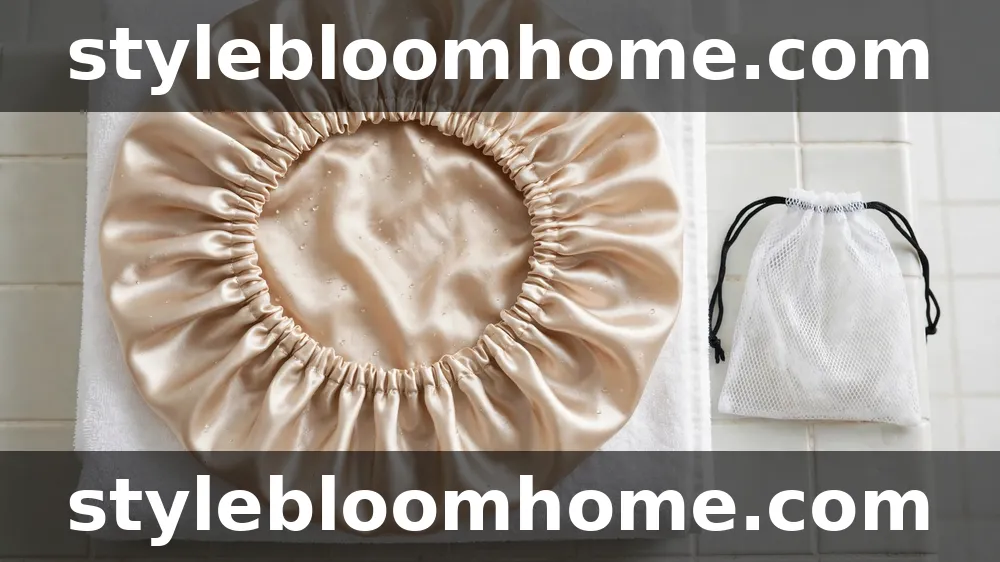
Wash weekly if you wear it nightly, more often with heavy leave-in products or oils, and always follow the care label on the bonnet you bought, because rules vary. The La Belle Boucle bonnet allows machine washing at 30 degrees in a wash bag with air drying. The Satin Curl winter hat asks for hand washing in cold water with mild soap, no wringing, and flat drying, with no tumble dryer. Do not assume one bonnet's rule applies to another's. Hand washing is the safe default: cool water, a little mild detergent, gentle swishing, no wringing, rinse well, press water out in a towel, and air dry flat, away from direct heat.
Mistakes that destroy satin bonnets are avoidable: hot water, harsh detergent, fabric softener, wringing, tumble drying, and ironing. Fabric softener coats the smooth fibres and dulls the slipperiness you bought the bonnet for. Wash it on its own or with delicates in a wash bag, never loose with jeans or towels. Full care by bonnet type, including stain and smell rescue, is in our guide to washing a satin bonnet. Replace it when the elastic no longer holds, the lining pills or roughens, or seams fray: a rough lining catches hair, the opposite of the job. Search Amazon.fr for machine-washable satin bonnets.
What to use instead of a satin bonnet
If you will not wear a bonnet, the next best thing is a satin pillowcase. The honest comparison: a pillowcase protects only the hair touching the pillow, while a bonnet protects all of it and holds the style together. A satin pillowcase is better than cotton for anyone, helps skin as well as hair, and is the right fallback for short hair and for anyone who tries a bonnet and hates it. Used together, bonnet plus pillowcase is strongest, because a bonnet that slips still leaves hair on satin.
Other alternatives have narrower uses. A satin scarf can work for daytime and some hair types at night, but it needs tying skill and loosens. A silk pillowcase is the luxury version of the satin pillowcase, softer and more breathable, at a higher price. What does not work is a cotton cap, a wool hat worn to bed, or a shower cap: cotton grips, wool rubs, and a shower cap traps heat and moisture. If the goal is less friction, the surface must be smooth, and only satin or silk gives you that.
Skip it if: honest objections answered
Skip or delay buying in these cases. If your hair is very short, never tangles, and you already sleep on a satin pillowcase, a bonnet adds little. If you have a scalp condition needing air and medical care, talk to a clinician before covering your scalp all night, because warmth and moisture can aggravate some conditions, and a bonnet is not a treatment. If you cannot tolerate anything on your head at night, from headaches or sensory sensitivity, or you pull it off every night for a week, a satin pillowcase is the kinder alternative. And if you are buying a bonnet to fix hair loss, stop: a bonnet reduces breakage, which helps hair look longer, but it cannot treat shedding or medical hair loss.
Common objections, answered briefly. It feels hot: choose a lightweight bonnet, keep the bedroom cool, and try silk if heat is the main problem. It leaves a dent: the band is too tight or narrow, or hair was put up too tightly; loosen the gather and choose a wider band. It looks silly: it is worn in bed, in the dark, and morning hair is the payoff; a plain dark bonnet is the discreet option. It is only for one hair type or group: no, friction is universal, the roots are Black hair care and deserve respect, and the product is a tool for any hair that benefits.
First night and first month: what to expect
The first night is the worst night, and that is normal. A bonnet feels strange at first: the band presses, the fabric rustles, and you notice it when you turn over. Give it three nights before judging comfort, and use the first-win test on the first morning: check the nape for tangles, the crown for flattening, and time your routine. If tangles are fewer and the routine shorter, it is working, even if the night felt odd. If the bonnet is on the floor, the fit or closure needs fixing, not the idea: work through the wearing section and try again.
Over the first month, expect gradual change, not a reveal. Ends stay in better condition, curls keep their pattern to the second and third day more often, and blow-dries last longer. You will not see faster growth: hair grows at its own rate, and the bonnet keeps the length you grow, which shows over months as retained length. When the elastic loosens and slipping returns after months of good service, replace the bonnet. Wash weekly, air dry, store dry, and check the lining monthly for pilling: a rough bonnet catches the hair it should protect.
Frequently asked questions
- Is a satin bonnet good for hair?
- Yes, for most hair. A satin bonnet reduces friction while you sleep, so hair tangles less, keeps its shape better, and breaks less at the ends. It protects the hair you have; it does not grow new hair or repair split ends.
- What are the benefits of a satin bonnet?
- Less friction, fewer tangles, better-kept curl and wave pattern, less frizz, and less moisture loss to a cotton pillowcase. The benefit is cumulative over weeks: quieter mornings, less restyling, and ends in better condition because they are not abraded every night.
- Which is better, a satin or silk bonnet?
- Satin first for most people. Satin is a weave, usually polyester, and it is cheaper, easier to wash, and does the friction job well. Silk is a fibre: softer, more breathable, and more expensive, with gentler care. Silk is an upgrade in comfort, not a doubling of protection.
- Does a satin bonnet damage hair?
- A satin bonnet used correctly does not damage hair. Damage comes from the wrong use: a bonnet that is too tight, a rough or pilled lining, or a bonnet worn on wet hair, which traps moisture and lets fragile damp hair snap. A smooth lining, a snug-not-tight band, and dry hair avoid all three.
- Why is satin good for hair?
- Satin has a smooth woven face that lets hair slide instead of catching. Cotton grips hair as you turn in your sleep, and that grip causes friction, tangles, frizz, and breakage. Satin also absorbs less water and product than cotton, so leave-in care stays on the hair.
- How do you wash a satin bonnet?
- Follow the care label on your bonnet. The safe default is hand washing in cool water with a little mild detergent, no wringing, rinsing well, pressing water out in a towel, and air drying flat away from heat. Some bonnets allow machine washing at 30 degrees in a wash bag. Never use hot water, fabric softener, or a tumble dryer.
- What is the best silk bonnet for sleeping?
- There is no single best silk bonnet, and most buyers should start with satin. If you want silk, buy a real silk bonnet with the fibre stated on the materials line, a wide soft band, and a size that fits your hair volume, and expect to hand wash it. In France, check French shops and Amazon.fr listings for the fibre, size, and returns terms before paying a silk price.
- Are satin bonnets good for straight hair?
- Yes, with modest expectations. A satin bonnet cuts nape tangles, reduces static, and helps a smooth finish last to a second day. It will not add volume or create a wave. Fine straight hair suits a snugger fit and a loose gather on top, and a tie bonnet helps if elastic styles slip.
- Do satin bonnets work for curly, coily, and 4C hair?
- Yes, and this is where they help most. Curls and coils keep their pattern better inside a smooth bonnet instead of being pressed flat and rubbed by a pillow. For 4C and high-volume hair, size is the deciding factor: choose a large or extra-room style, gather hair loosely in a pineapple first, and make sure the band sits on the hairline, not the forehead.
- Should I sleep in a satin bonnet every night?
- Yes, if you wear one at all. The benefit comes from consistency, and a bonnet worn every night protects hair far better than one worn occasionally. If you have a scalp condition, cannot tolerate anything on your head, or pull it off every night for a week, use a satin pillowcase instead and talk to a clinician about any scalp problem.
- Can I wear a satin bonnet on wet hair?
- No, not as a routine. A bonnet on wet hair traps moisture against the scalp and hair for hours, keeps hair damp, and lets fragile wet strands set in a folded shape. Let hair dry fully first. If hair is still damp at bedtime, skip the bonnet that night and sleep on a satin pillowcase instead.
- Can men wear a satin bonnet?
- Yes. Hair does not know who owns it, and friction works the same way on men's hair. A bonnet helps men with longer hair, curls or waves, hair being grown out, braids, or locs. Short hair that never tangles will notice little difference. Choose a plain dark colour and a smaller or adjustable style if elastic bonnets slide off short hair.
- Is it okay for a white person to wear a satin bonnet?
- Yes. A satin bonnet is a hair-care tool, and anyone whose hair benefits from less friction can use one. Bonnets have deep roots in Black hair care, and using one respectfully means understanding where the practice comes from, not treating it as a costume or a joke. This guide recommends a bonnet on hair grounds alone: friction, shape, and breakage, whatever your background.
- Is a satin bonnet better than a satin pillowcase?
- A bonnet gives more coverage: it holds all the hair together and protects the style, while a pillowcase protects only the hair touching the pillow. A pillowcase is simpler and helps skin too. Used together they are strongest, because a bonnet that slips still leaves hair on satin. If you will only buy one, buy the bonnet for style protection and the pillowcase for simplicity.
- How much does a satin bonnet cost in France, and where should I buy one?
- Prices checked on French shops on 31 October 2026 ran from 12.90 euros to 34.99 euros for the styles in this guide. Buy from a French specialist shop first, where the materials line and size choice are clearest, and use Amazon.fr search links to compare the same style. Always check the price, lining, size, and returns terms on the listing you order from, because prices change.
The bottom line
France has no local satin-bonnet guide, and this guide fills that gap with evidence you can check: prices verified on French shops on 31 October 2026, styles judged on size, lining, band, and closure, and the questions people actually ask answered honestly. The default buy is a double-lined satin bonnet with a wide soft band, sized up for volume: the La Belle Boucle night bonnet at €29.90 is the clearest French example. The budget buy is the Novara Paris night bonnet at €12.90, with thinner published detail. The slipping fix is a tie bonnet, the long-hair fix is an extra-room bonnet, and the winter fix is a satin-lined hat, not a sleep bonnet. Buy the style, check the materials line and size chart, wear it on dry hair for a week, and judge it on quieter mornings.
This guide will go stale: prices move, shops close, and listings change. Before buying, re-check the price on the shop page and on Amazon.fr, confirm the lining and size on the listing you order from, and read the returns terms. The bonnet is a simple tool, and simple tools reward simple checks: size, lining, band, closure, dry hair, a week of nights. That is the whole secret, and it is worth more than any single product name here.