How to Organise a Rental Home in Australia (No Drilling, No Bond Trouble)
The rental deal in Australia is simple and slightly terrifying: every hole you drill is a conversation you'll have at bond time. The good news? Almost everything a homeowner does with a drill, a renter can do with physics, friction and a $6 hook — if you know which swaps actually hold.
As an Amazon Associate, StyleBloom earns from qualifying purchases. This guide contains affiliate links — it costs you nothing extra and keeps our content free.
Last updated: October 20, 2026
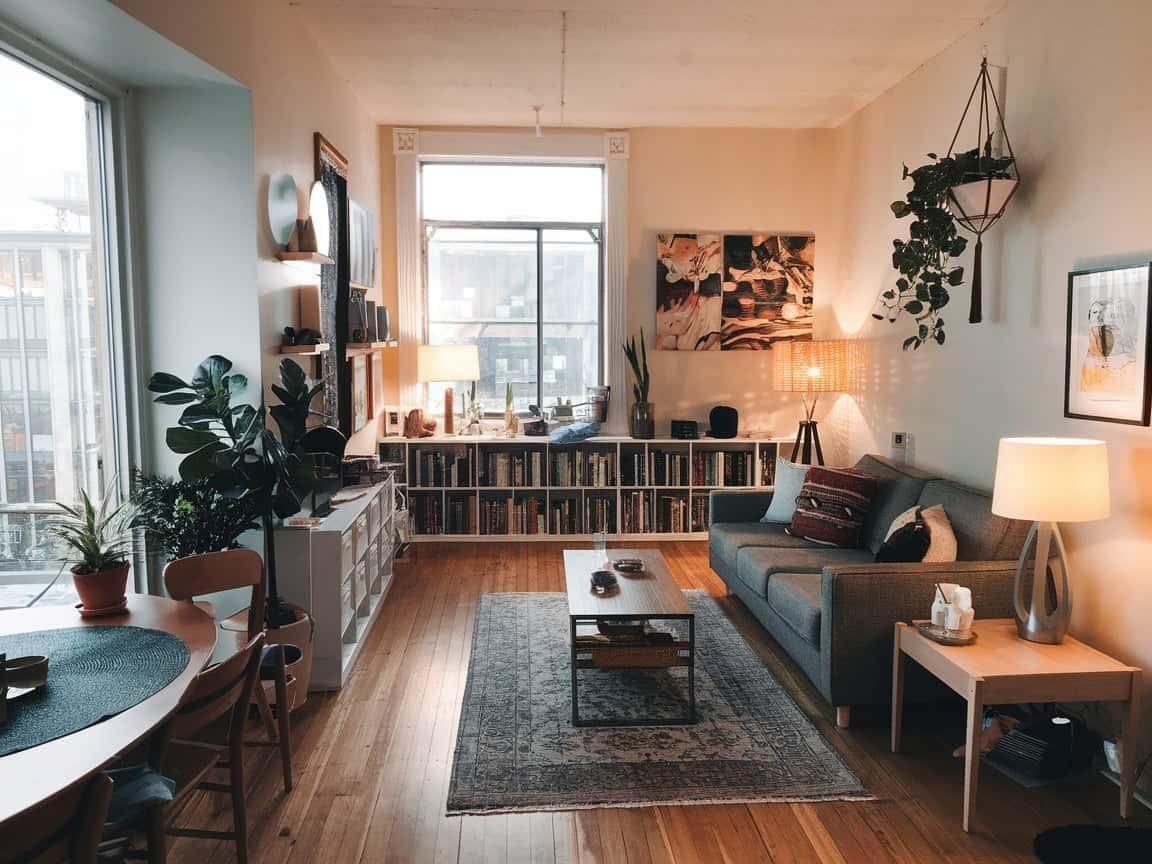
The short answer: yes, you can organise a rental properly — every system in this guide hangs, leans, wedges or sticks, and every one comes down cleanly on moving day. The trick is matching the fix to the surface: adhesive for tiles and glass, tension for doorways and showers, weight and gravity everywhere else.
I've lived in rentals where the lease had more rules than a boarding school, and I've had the other kind too — the landlord who shrugs and says "just patch it when you go". This guide assumes the strict version, because a system that survives the strict lease works everywhere. Nothing here needs a drill, a screw, or your real estate agent's permission slip. Where permission genuinely is the smarter path (a couple of cases, honestly flagged), I'll tell you exactly what to ask for in writing.
One promise before we start: no fake "renter hacks" that peel the paint off in sheets. Every fix below is one I'd stake my own bond on — currently $2,000-odd in most states for a typical place, and very much not money I enjoy gambling with.
Who this guide is for — and who should skip it
This is for you if: you're renting in Australia (any state — the principles travel), your lease bans or discourages holes and screws, you're in a share house or a small place where storage is scarce, or your last inspection report used the phrase "marks on walls". Skip it if: you own your home (drill away, friend — our closet organisation ideas go further than renters can), or if your lease genuinely allows picture hooks and patching — in that case, ask in writing, keep the email, and use the stronger options.
The drill-free swap table: read this first
The quick version: almost every "permanent" storage idea has a rental twin that holds the same weight and leaves nothing behind.
| The homeowner version | The bond-safe swap | Best room | Watch out for |
|---|---|---|---|
| Screwed-in floating shelves | Leaning ladder shelves and bookcase units pushed flat to the wall | Living room, bedroom | Tall units tip — keep heavy items low |
| Screwed towel rails | Over-door towel racks and suction rails on tiles | Bathroom | Suction fails on matte or textured tiles |
| Wall-mounted spice racks | Over-cabinet-door racks and magnetic strips on the fridge | Kitchen | Check the door still closes before you load it |
| Drilled curtain rods | Tension rods inside the window frame | Bedroom, bathroom | Wide windows need a centre support or a lighter curtain |
| Screwed robe hooks | Over-door hook rails (bedroom and robe doors) | Bedroom, entryway | Thin doors can rattle — a felt pad fixes it |
| Permanent under-shelf baskets | Clip-on under-shelf baskets that grip the shelf itself | Kitchen, wardrobe, pantry | Measure shelf thickness first |
| Wall anchors for heavy frames | Large adhesive picture strips, rated honestly and doubled up | Living room, hallway | Never on fresh paint, wallpaper or flaking surfaces |
| Built-in shoe racks | Stackable open shoe shelves and over-door pocket organisers | Entryway, wardrobe | Heels fall through slatted shelves — choose flat tiers |
That table is the whole philosophy: don't fight the lease, route around it. Our no-drill renter fixes guide goes deeper on the bathroom and bedroom versions of several of these, and the guide to hanging things without damaging walls covers picture-hanging in forensic detail. This page is the whole-home system that ties them together.
The 12 fixes, room by room
1. The over-door rail — your new best friend
In one breath: a flat over-door hook rail turns any door into storage — towels, robes, bags, tomorrow's outfit — and lifts off in one second at inspection time.
Doors are the most wasted surface in a rental. A metal over-door rail with four to six hooks holds a genuinely useful amount: in the bathroom it's towels and robes, in the bedroom it's the "chairdrobe" pile finally off the chair, at the entry it's bags and the dog lead. Choose flat hooks rather than round knobs if your door clearance is tight, and add a strip of felt or a folded tissue where metal meets door if it rattles. In a share house, one rail per bedroom door quietly ends the hallway-shoe-and-bag war.
2. Tension rods — curtains, showers and secret shelves
In one breath: a tension rod wedges between two walls and holds curtains, shower caddies or even a light shelf — with nothing but friction.
Tension rods are the renter's power tool. Inside a window frame they hold a sheer or a blockout curtain with zero hardware. In the shower they become a second rail for a hanging caddy or for drip-drying delicates. My favourite trick: two rods low inside a deep kitchen cupboard, laid front-to-back, make a rack that holds baking trays and chopping boards upright like files. Measure the gap before you buy — rods come in ranges, and "close enough" in tension-land means "falls down at 3am". Twist until genuinely firm; the rubber ends should bite, not slide.
3. Command-style adhesive, used like an adult
In one breath: adhesive strips and hooks are brilliant on the right surface and bond-eating on the wrong one — the skill is knowing which wall is which.
The honest rules: strips work beautifully on painted plasterboard that's fully cured (paint older than a few months), tiles, glass, metal and sealed timber. They fail — and take paint with them — on fresh paint, cheap matte paint, wallpaper, brick, and any surface already flaking. Always use the rated weight as a ceiling, not a target: if strips say 1.6kg, hang 1kg. Clean the spot with isopropyl alcohol first, press for the full 30 seconds, and wait the full hour (overnight for heavy frames) before loading. Removal matters just as much: pull the tab slowly, straight down, hugging the wall — never outwards. Done right, they leave nothing. Done in a hurry, they leave a story you'll tell your next landlord.
4. Leaning shelves — storage that just… stands there
In one breath: a ladder shelf or bookcase needs no fixing at all; it leans or stands, holds books, plants and baskets, and walks out the door with you.
Freestanding furniture is the renter's loophole: the lease can't object to a bookshelf. Ladder shelves give you display storage in the living room; a low bookcase doubles as a room divider in a studio or a big share-house lounge. Two safety notes that matter in Australia: keep the heavy stuff on the bottom shelves so the unit is bottom-heavy, and if you have small kids visiting, furniture tip-over is a real hazard — a removable adhesive furniture strap to a skirting board is the renter-compatible compromise, and worth it.
5. Under-shelf baskets — the cupboard doubler
In one breath: clip-on baskets that grip the shelf above and hang beneath it, doubling cupboard space in kitchens, wardrobes and pantries.
Rental cupboards are famously built by optimists: three shelves, cavernous gaps between them. A clip-on under-shelf basket turns that dead air into a home for mugs, cling wrap, spice packets or folded tea towels. In the wardrobe, they're perfect for the small soft things — socks, belts, scarves — that otherwise migrate. These pair beautifully with our pantry organisation ideas if your rental kitchen is doing double duty as the whole house's storage.
6. The shower caddy that hangs, not sticks
In one breath: a caddy that hangs over the shower head or door holds everything, rusts nowhere if you choose well, and leaves the tiles untouched.
Suction caddies are a lottery on textured tiles. Hanging caddies aren't: they hook over the shower screen or the shower head pipe and rely on gravity, which never loses suction at 6am. Choose powder-coated or stainless finishes — the cheapest chrome ones rust in a humid Brisbane bathroom by Easter. Our renter-friendly spa bathroom guide has the prettier version of this whole setup if you want the bathroom to feel like a treat instead of a compromise.
7. Over-cabinet-door racks in the kitchen
In one breath: hooks and racks that hang over a cupboard door put chopping boards, bin bags and cleaning sprays exactly where you use them.
The inside of the under-sink door is prime real estate: a slim over-door rack holds spray bottles off the cupboard floor so you can actually see (and reach) the back. Over the pantry door, a rack takes spices or wraps. One warning from experience: test the close. Some rental cupboard doors sit so flush that even a thin hook stops them sealing — in that case move the rack to a door with clearance and put a simple tension-rod setup under the sink instead. There's a full under-sink system in our under-sink organisation ideas.
8. Furniture that stores: ottomans, beds and coffee tables
In one breath: in a small rental, every big piece should earn its footprint — a storage ottoman is seating, a footrest and a linen cupboard in one.
When you can't add storage to the walls, add it to the furniture. A storage ottoman swallows blankets, board games and the good linen. Bed bases with drawers (or simple risers plus under-bed tubs) turn the biggest dead zone in the home into your winter-clothes warehouse — our small bedroom storage ideas cover the layout side of this. A coffee table with a lower shelf holds the books and remotes that otherwise colonise the couch. None of it touches a wall. All of it moves with you to the next place, which is more than any built-in can say.
9. The entryway landing strip (no console required)
In one breath: a small bench or stool, one over-door rail and a washable mat create an entryway system in rentals that don't even have a hallway.
Most Australian rentals open straight into the lounge. Fake the entryway: a narrow bench or even a sturdy stool for sitting-and-shoes, a shoe shelf beneath it, hooks on the nearest door, and a tray for keys and sunnies. Our entryway organisation guide for small apartments lays out the full version. The point isn't Pinterest — it's that keys, shoes and bags land in one metre of space instead of migrating across every surface you own.
10. Wardrobe without the built-in you wish you had
In one breath: hanging shelves, a second tension rod and clear tubs turn a single-rail rental wardrobe into a system that actually fits your life.
The standard Australian rental robe is one rail, one shelf, and a pile of regrets. A fabric hanging shelf unit hangs off the existing rail and creates folded-clothes cubbies. A tension rod mounted lower, under short hanging clothes, doubles hanging space for shirts and kids' clothes. Clear tubs on the top shelf hold the seasonal stuff where you can see it. One humid-climate warning that matters from Sydney north: don't pack the robe tight — airflow is mould insurance, and our wardrobe mould guide explains the 60-second check every renter in a humid city should know.
11. Laundry: stack, hang, fold — vertically
In one breath: rental laundries are cupboards pretending to be rooms; go vertical with over-machine shelving units that stand on the floor, not the wall.
Freestanding over-washer shelving frames stand on their own feet and give you two or three shelves above the machine — no fixing, because the frame carries itself. A slim rolling trolley fills the useless 15cm gap beside the machine with detergents. Hang a small tension rod under a shelf for drip-drying shirts on hangers. The small laundry organisation guide has the measuring method so you buy the frame that fits first time — measure twice in rental laundries, because returns with a carload of shelving are nobody's idea of a Saturday.
12. The moving-day reversal kit
In one breath: organise for future-you: keep every strip tab accessible, every product box, and a small kit for clean removal and touch-ups on the last day.
The best renter system is reversible in an afternoon. Keep a shoebox — call it the bond box — with spare adhesive strips, the removal instructions, a tube of the wall-colour touch-up paint if your agent has ever told you the colour name, and a magic eraser for scuffs (test in a hidden spot first; they can dull some paints). Photograph every wall when you move in, even if the condition report seems thorough. Especially if it seems thorough.
Inspection day: what agents actually look at
The quick version: agents aren't hunting for your organising systems — they're checking cleanliness, damage and whether the place matches the condition report. A tidy, systemised home reads as "careful tenant" in about four seconds.
Routine inspections (usually every 6–12 months in most states) are not pass/fail exams, but they colour every future conversation — including whether your lease gets renewed at the good price. The organising habits that matter: clear benches (they photograph kitchens), made beds and open curtains (light makes rooms read clean), nothing stored against walls where damp could hide, and the garage/balcony not overflowing. If a hook or rail is up, it should look intentional and undamaged. Anything adhesive that's peeling? Take it down before inspection day rather than letting it star in a photo.
And the honest note about permission: for anything beyond small adhesive hooks — say, a heavy mirror — many Australian tenancy guides suggest asking in writing before you hang it. An email that says "planning to hang a 4kg mirror with removable strips, no drilling — OK?" costs you nothing, gets a yes surprisingly often, and gives you a paper trail worth more than the mirror.
Hosting Christmas in a small rental (without a single new hole)
The quick version: Christmas decorations in a rental are a no-drill problem like everything else — wreath on an over-door hook, garland on a tension rod, fairy lights draped and clipped, never stapled.
December is when renters most want to drill something, and it's the worst month to start. The drill-free kit handles it all: a wreath hangs from the same over-door rail as your towels (front door edition), a garland swags along a tension rod in a doorway or window frame, and fairy lights go up with removable cable clips on skirting and shelves — or simply draped along a bookcase, which looks intentional and takes four minutes to undo. The two traps: adhesive hooks on sun-hot external walls (summer heat softens adhesive — hang light things or use the door), and anything stored afterwards in a hot garage, which is how decorations quietly cook over summer. Pack them away in a tub in a cool cupboard instead, and January-you keeps both the bond and the baubles.
Share houses: the diplomacy edition
The quick version: in a share house, organise the person, not the house — labelled personal zones beat one big shared system that five lifestyles have to obey.
Every share house has tried the communal spice rack. It ends in resentment and someone else's empty cumin jar. What works: each person gets a shelf, a tub and a hook — in the pantry, the bathroom and the entry. Label them without shame. Shared systems only for genuinely shared things (cleaning gear, cling wrap, the communal snack tax). Your bedroom door rail is your private entryway; the bathroom caddy is yours and travels with you. Systems that respect the boundaries survive; systems that require five adults to tidy identically do not.
What NOT to do — the bond-eating red flags
The quick version: if a "hack" involves drilling into tiles, sticking adhesive to fresh paint or wallpaper, or anything described as "the landlord will never notice" — it's not a hack, it's a deduction waiting to happen.
- Drilling bathroom tiles — the single most expensive renter mistake. Cracked tiles aren't a patch job; they're a tradesperson, invoiced to you.
- Adhesive on fresh paint — paint needs weeks to cure. On new paint, strips bond to the paint layer itself, and removal takes the wall's skin with it.
- Sug-glu, blu-tack and "temporary" screws — blu-tack leaves grease ghosts on matte paint that show in the exit photos forever.
- Overloading one strip "because it held yesterday" — adhesive creeps. The 2am crash is always the framed print you loved most.
- Storing heavy boxes against bedroom walls — in humid climates this traps moisture and grows mould you'll be blamed for. Air gap, always.
"A rental doesn't limit how organised you can be — it just changes the tools. Gravity, friction and felt pads never appear on a condition report." — the StyleBloom renter rule
Before you buy anything: the renter's checklist
The quick version: measure the door swing, the cupboard clearance and the shelf thickness first; check the surface is adhesive-safe; and keep every receipt until the bond is back.
- Door thickness and clearance (for over-door anything)
- Cupboard door clearance (for over-cabinet racks)
- Shelf thickness (for clip-on baskets)
- Paint age and finish (matte + fresh = adhesive danger zone)
- The actual weight of what you'll hang — weigh it on the kitchen scale if you're not sure
If you want the seasonal reset that ties all of this together, our seasonal declutter checklist is the once-a-quarter pass that keeps a rental system honest. And when sale season hits, read the Kmart, Target and Big W storage comparison before you buy a single tub — then the Australian Black Friday & Boxing Day guide will tell you honestly when those buys are cheapest, and which “deals” aren’t.
Frequently asked questions
- Can I put picture hooks in a rental in Australia?
- It depends on your lease and your state. Many leases ban new hooks outright; some allow existing hooks to be used. The safe renter answer is removable adhesive strips rated well above your frame's weight, on cured paint — and, for anything heavy or valuable, a short written request to your agent. Photograph the wall before and after either way; condition-report photos are your best friend at bond time.
- Will command strips really hold a mirror?
- Yes — if you treat the rating as a ceiling, not a suggestion, pair strips on larger pieces, and hang on the right surface: cured painted plasterboard, tiles, glass or metal. They struggle on fresh paint, matte chalky paint, wallpaper and textured walls. Clean with isopropyl alcohol first, press firmly, and wait the full recommended time before hanging. A mirror over a bed deserves two strips more than the maths says.
- What do property managers actually check at a routine inspection?
- Cleanliness, damage and changes from the condition report — in roughly that order. They photograph kitchens, bathrooms and living areas. Organised, uncluttered rooms photograph as 'looked after', which is the only impression you need. Anything peeling, patched or makeshift should be fixed or removed before they arrive, and lawns, balconies and garages get the same once-over.
- My rental kitchen is tiny. Where does anything go?
- Up. Use the inside of cupboard doors for slim racks, clip-on baskets under shelves, a tension rod under the sink for spray bottles hung by their triggers, and the top of the fridge (in a tray, so it reads tidy) for overflow. Small rental kitchens reward vertical thinking and punish counter clutter — keep one clear bench zone sacred and let everything else earn its place vertically.
- We're in a share house and the mess is always 'someone else's'. How do we fix it without a fight?
- Stop sharing systems. Give each person a labelled pantry shelf, bathroom caddy and entry hook, and keep shared storage only for genuinely shared things. It sounds petty; in practice it removes every argument, because nothing is ambiguous. The communal areas stay calmer too — people tidy their own zone almost without thinking, which is more than any house meeting has ever achieved.
- Can adhesive hooks damage paint? I can't afford to lose bond.
- They can, in three situations: paint that's still curing (fresh within a few weeks), very matte or chalky paint, and removal done wrong — pulling outwards instead of sliding the tab down along the wall. On sound, cured paint with correct removal, they come off cleanly. When in doubt, test one strip in a hidden spot (inside a wardrobe) for a week before committing the good wall.
- Can I put up Christmas decorations in a rental without drilling?
- Yes — decorations are light, temporary and exactly what removable gear is for. Hang the wreath on an over-door hook, swag garlands along a tension rod in a doorway or window frame, and put fairy lights up with removable cable clips or simply draped along shelves. Two rental cautions: staples and screws for lights are never worth it, and adhesive hooks on sun-baked external walls can soften in summer heat, so keep outdoor pieces light or door-hung. Take everything down slowly in January, tabs pulled straight down as always, and store the decorations in a cool cupboard rather than a hot garage.
- What if my landlord says no to everything?
- Then you lean fully on furniture and gravity: freestanding shelves, over-door rails, tension rods, hanging caddies and storage furniture. None of it touches the building, so none of it needs permission. Keep your request emails polite and specific anyway — a 'no' to screws is often a 'yes' to strips when they see you mean the removable kind, and the paper trail protects you either way.
Keep reading
No-drill renter fixes — the room-by-room companion to this system. How to hang things without damaging walls — the full picture-hanging method. Stop mould in your wardrobe — the humid-climate check every Australian renter should run.