
Curly Hair Wash Routine: The Wash-Day Guide by Curl Pattern
Nine moves in order, split three ways by curl pattern, with day-two and day-three refresh steps no leading page separates and a checklist no leading page prints. This is the wash-day routine the top pages circle without ever writing.
By the end of this guide, you will be able to run a full wash day in order, adjust it for wavy, curly, or coily hair, choose between co-wash and shampoo, refresh on day two and day three without rewashing, and protect the result overnight.
As an Amazon Associate, StyleBloom earns from qualifying purchases. This guide contains affiliate links — it costs you nothing extra and keeps our content free.
Every top page for a curly hair wash routine teaches part of the routine and calls it the routine. One teaches the wash and stops before styling. One teaches styling and never mentions the refresh. One gives a frequency for everyone and a pattern split for no one. A reader who follows any one of them gets a wash day with a hole in it. A reader who reads all of them gets eight opinions, four frequency figures that disagree, and no way to tell which step belongs to which hair. This page is the whole timeline, split by pattern, with the refresh days and the checklist the top pages never wrote.
It sits inside the hair cluster, and each page in the cluster has one job. The hair wash routine guide holds the general foundations. The night routine guide holds the overnight protection. The curly bonnet guide holds the choosing. This page holds the wash day itself: nine moves in order, three pattern routines, the co-wash decision, the frequency figures with their sources named, and the days after.
The standard wash-day timeline
A wash day has nine moves, and the order matters more than any single product. Wet thoroughly. Cleanse the scalp. Condition and detangle. Rinse with intent. Apply leave-in. Define. Hold. Dry without touching. Scrunch out the cast only when fully dry. Every leading page for this query teaches most of those moves; none teaches all nine in one timeline with the pattern splits that change them.
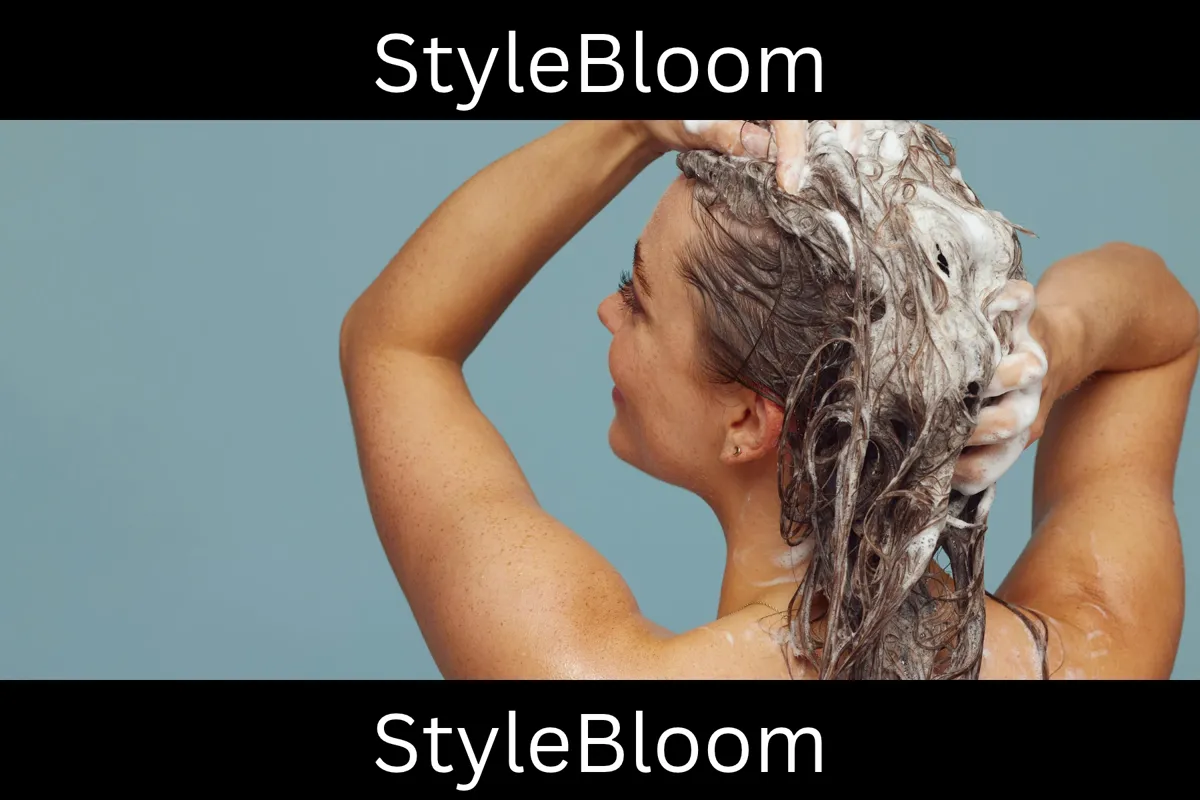
Start with more water than feels necessary. Curly hair must be dripping, not damp, before it cleans, because product spread on half-wet hair sits on the surface and never reaches the strand. Use lukewarm water and low pressure, with the head upright or tilted back — the upside-down position belongs to styling, not to cleansing, where it tangles the lengths. Work a sulfate-free shampoo for curly hair into the scalp with the pads of the fingers, moving back and forth rather than in circles — the technique Ouidad's guide is alone in naming — and let the lather travel down the lengths on the rinse instead of scrubbing the ends. Rinse until the water runs clear.
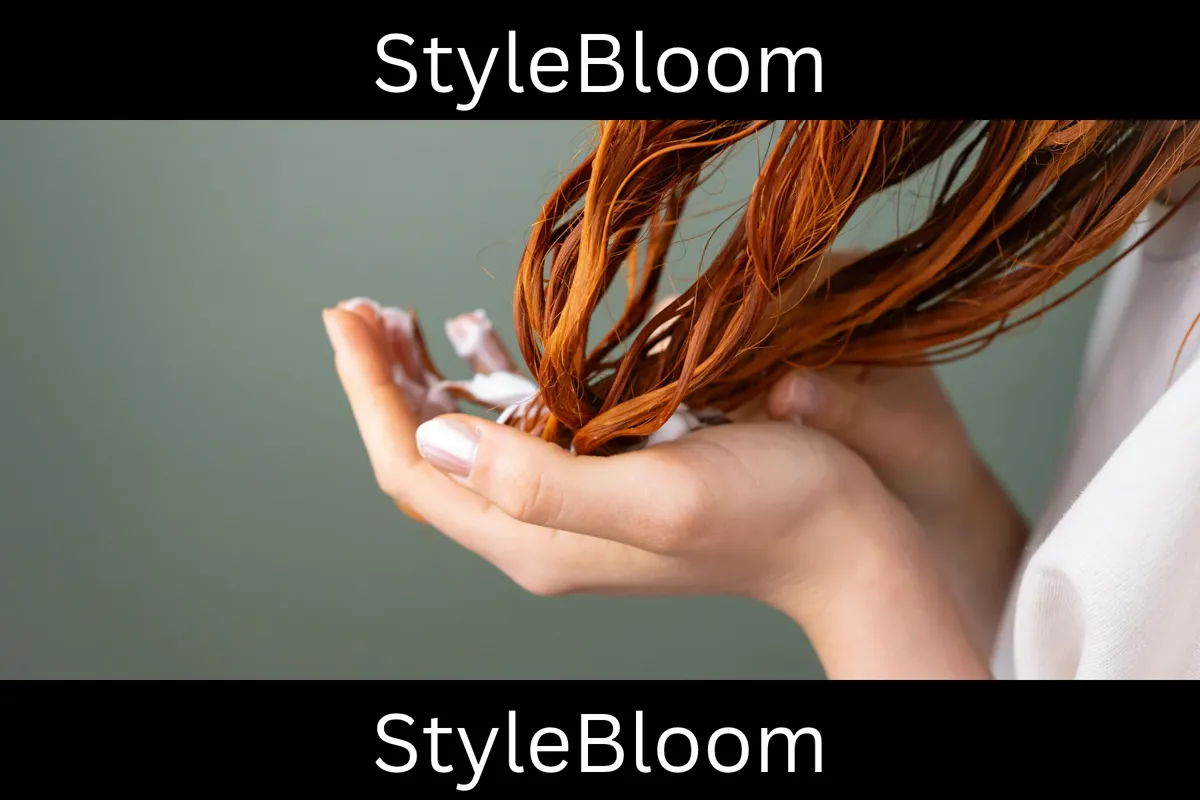
Condition from the ends up, keeping it off the scalp unless your pattern section below says otherwise. Apply to the mid-lengths and ends, add water rather than more product when the hair needs more slip, and detangle with fingers first, then a wide-tooth comb for curly hair, working from the ends upward. Soak for two to five minutes, then rinse with intent: a full rinse for fine or wavy hair that goes limp under residue, a lighter rinse leaving a milky film for thick or coily hair. Squish water into the lengths as you rinse — "squish to condish" — which pushes hydration in instead of letting the rinse carry it away. Leave-in goes onto soaking-wet hair, lightest product first, and the defining and hold products follow before the hair dries. If your current routine is a general wash guide, our hair wash routine guide covers the foundations; this page is the curl-pattern version.
| Move | What to do | What changes it |
|---|---|---|
| 1. Saturate | Soak every section until dripping, lukewarm water | Thick or dense hair needs longer soaking and sectioning |
| 2. Cleanse | Scalp only, fingertips, back-and-forth motion | Co-wash or shampoo by the decision table below |
| 3. Condition | Ends up, detangle ends to roots, soak 2–5 minutes | Rinse weight by pattern: full rinse wavy, light rinse coily |
| 4. Leave-in | On soaking-wet hair, lightest first | Amount by density: fine hair a pea-size per section, thick hair more |
| 5. Define | Cream or milk, rake or brush, scrunch between sections | Brush for even clumps, hands for looser definition |
| 6. Hold | Gel or mousse, praying hands then scrunch | Strong hold for longevity, light hold for soft waves |
| 7. Dry | Plop or microplop, then air dry or diffuse | Diffuse for volume and set; air dry for gentleness |
| 8. Hands off | Do not touch while drying | Touching while wet breaks clumps and makes frizz |
| 9. Scrunch the cast | Only when completely dry, clean dry hands, oil on the ends if wanted | A cast that never forms means too little hold product |
Know your pattern before you choose anything
Three facts decide the routine: curl pattern, porosity, and density with strand thickness. Pattern is the shape: wavy hair (type 2) makes S-waves; curly hair (type 3) makes loops and spirals; coily hair (type 4) makes tight coils and zigzags that shrink visibly when dry. The 2A–4C scale subdivides each family from loosest (A) to tightest (C), and the family matters more than the letter — a 2C wave and a 3A curl are closer in needs than a 3A curl and a 4C coil. If you cannot tell whether you are 2C or 3A, wash, condition, let the hair air dry with nothing in it, and look at the shape it makes on its own: waves lie flatter and start lower, curls loop from higher up. That unstyled air-dry read is the honest baseline.
Porosity is how fast the hair takes in and loses water, and it changes product amounts more than pattern does. Low-porosity hair beads water, takes longer to wet, and goes limp under heavy butters that sit on the strand; it wants lightweight, liquid leave-ins, full rinses, and warmth during a mask. High-porosity hair wets instantly, dries fast, and frizzes easily; it wants richer creams, leave-in left in the hair, and a little oil sealing the ends. Judge porosity by behaviour in the shower — how fast the hair wets and dries — not by the float test, which proves little on its own. Density is how much hair there is; strand thickness is how thick each hair is. Fine hair is weighed down fastest and needs the lightest products and the fullest rinse. Thick, dense hair needs sectioning and more product per section. Odele's guide is the only rival with a structured intake covering texture, structure, and porosity — and its own steps then ignore it. Here the intake drives the steps: the pattern sections state the rinse, product weight, and frequency for each family, and troubleshooting states the porosity and density adjustments.
| Family | Shape | Needs most | Watches out for |
|---|---|---|---|
| Wavy (2A–2C) | S-waves, looser at the roots | Lightweight hold, root volume, full rinse | Weighed-down roots, limp waves, over-conditioning |
| Curly (3A–3C) | Loops and spirals from mid-length up | Definition, moisture balance, cast and scrunch | Frizz from touching, dryness at the ends, flat roots |
| Coily (4A–4C) | Tight coils and zigzags, visible shrinkage | Moisture retention, gentle detangling, protective styling | Breakage from dry detangling, single-strand knots, scalp dryness |
The wavy routine (2A–2C)
Wavy hair fails by being treated like curly hair. The waves are looser, the roots go flat under weight, and the most common wavy mistake is using curly-hair amounts of heavy product and wondering why the waves fell out by lunch. Wash with a lightweight sulfate-free shampoo, condition the mid-lengths and ends only, and rinse fully — no milky residue, because residue pulls a wave straight. Detangle in the shower while the conditioner is in, fingers or wide-tooth comb, and never brush dry wavy hair: brushing breaks the wave pattern into frizz.
Style on soaking-wet hair with the lightest hand in the family: a pea-size of leave-in per section, a mousse or light gel rather than a heavy cream, scrunched upward to encourage the wave. Microplop with a T-shirt or microfiber towel — press, hold a few seconds, release — rather than a long plop, which flattens wavy roots. Diffuse on low or medium heat with the head tilted to lift the roots, or air dry untouched; air drying elongates waves, which suits looser patterns and nobody in a hurry. Scrunch out the cast once fully dry, shake the roots gently, and stop. Frequency runs highest here: Ouidad puts loose, wavy, and spiral types at two to four washes a week, the highest cadence any rival states. Start at three washes a week, watch the roots on day two, and adjust by what the roots do, not by a calendar.
The curly routine (3A–3C)
Curly hair is the middle family and the one most routines are secretly written for, which is why generic advice mostly works here and fails at the edges. Wash with shampoo or a low-lather cleanser, condition ends-up with a two-to-five-minute soak, and rinse to a middle weight: not the full rinse wavy hair needs, not the light film coily hair keeps — rinse until the hair feels slippery but not coated. Detangle in sections while the conditioner is in, ends upward, and keep the clumps intact: the clumps are the curls, and breaking them apart in the shower loses definition before styling starts. Sectioning, named only by Gena Marie's beginner guide among the rivals, earns its place here: two to four sections for medium hair, more for thick hair, clipped up while each section is styled in turn.
Style smooth-first-then-define: leave-in raked through, then defining cream, then gel for hold, scrunched between sections with a final scrunch at the end. A brush gives more even clumps and faster coverage; hands give looser, more varied definition — both legitimate, and the choice is aesthetic. Plop for ten to twenty minutes or microplop and go straight to the diffuser; diffuse upside down first for root lift, then upright, on low or medium heat, without touching or scrunching while the dryer runs. Air drying works and is gentler, but elongates curls and takes hours on thick hair. Once fully dry — fully, not almost — scrunch out the cast with clean dry hands, a drop of oil on the ends if they feel dry. Frequency sits in the middle: every few days to a week on Ouidad's figures for tight curls, at least once a week with maybe two or three washes on Wella's framing. Start at two washes a week, and let the day-three section below decide whether that is enough.
The coily routine (4A–4C)
Coily hair needs the gentlest hands and the most moisture, and the routine changes at every step. Detangle only when wet and saturated with conditioner, in small sections, fingers first and then a wide-tooth comb or detangling brush, ends upward, never dry and never rushed — dry detangling is the fastest route to breakage, and single-strand knots form where shed hairs wrap around neighbours, which regular wet detangling prevents. Pre-poo before the wash: a light oil or conditioner on dry hair, left while the shower warms, so shampoo never meets a naked strand. Wash in sections, braided or twisted into four to six loose plaits that keep the lengths from tangling while the scalp is cleansed.
Condition generously and rinse lightly, leaving a coating in the hair — the one family where residue is a feature. A conditioner for curly hair with a rich, creamy texture suits this step; a lightweight rinse-out made for waves will vanish without doing the job. Style in sections with leave-in, then cream, then gel or a butter-based styler, using praying hands to smooth each section before scrunching. Twist-outs and braid-outs belong after the wash-day timeline, set on damp hair and released when dry. Dry with a diffuser on low heat or a hooded dryer; air drying loose coily hair takes the longest of any family and shrinks the most, which is normal, not a defect. Frequency is the lowest in the family table: Ouidad puts coily hair at a weekly co-wash with a shampoo deep cleanse once a month, and the decision table below explains when that cadence fits. Protective styling between wash days — twists, braids, a bonnet at night — is part of the routine, not an extra.
Co-wash vs shampoo: the decision, in one place
The rivals disagree about co-washing, and the disagreement is worth stating plainly, because following the wrong side for your hair costs buildup or dryness. Curl Maven argues against long-term co-washing outright: in its words, it suits very few people and leads over time to over-moisturised, frizzy, limp hair, and it recommends a low-lathering sulfate-free cleanser instead. Curlsmith takes the opposite position for very dry hair, alternating co-wash with shampoo and using a low poo or co-wash between clarifying treatments. Gena Marie's beginner guide is shampoo-only and argues a shampoo must lather and clean. Ouidad splits the difference by condition: choose shampoo or co-wash based on the condition the hair is in. All four positions can be true for different hair, which is why the decision belongs in a table rather than a slogan.
A co-wash is a cleansing conditioner: it lifts light buildup with very little lather and leaves moisture behind. A shampoo — even a gentle sulfate-free one — cleans more thoroughly and resets the scalp. The rule that reconciles the rivals: co-wash when the scalp is calm, the hair is dry, and the last wash was recent; shampoo when there is buildup, the scalp is oily or itchy, a week has passed, or styling products have layered up. Alternate rather than marrying one: a common pattern is co-wash mid-week and shampoo on the main wash day, with a clarifying wash — a clarifying shampoo for curly hair — once a month or whenever the hair starts feeling coated despite washing. A co-wash cleansing conditioner for curly hair is the right product for the co-wash slot; a regular conditioner used as a wash does not cleanse, and that substitution is how buildup stories start. Signs the balance is wrong: limp, coated, never-quite-clean hair means too much co-washing or too little clarifying; stripped, squeaky, flyaway hair means too much shampooing or too harsh a cleanser.
| Situation | Choose | Why |
|---|---|---|
| Dry, coily, scalp calm, mid-week | Co-wash | Adds moisture without stripping; Ouidad's coily cadence |
| Oily scalp, itch, or a week since washing | Shampoo | Resets the scalp; co-wash will not lift a week's buildup |
| Very dry hair between clarifying washes | Alternate: co-wash, then shampoo next wash | Curlsmith's alternation for very dry hair |
| Fine or wavy hair, roots going flat | Shampoo, low-lather sulfate-free | Weight is the enemy; Curl Maven's cleanser-first position |
| Coated feeling despite washing | Clarifying wash, then resume | Buildup needs a reset, not more conditioner |
| Swim, gym sweat, or heavy styling week | Shampoo | Chlorine, sweat, and layered product need a real cleanse |
How often: the figures, attributed, and how to read them
No two leading pages agree on wash frequency, and pretending otherwise would be the dishonest version of this section. The figures below are each attributed to the page that states them, because the spread is wide enough that an unattributed average would mislead every reader at once. Ouidad gives the most specific by-pattern figures: loose, wavy, and spiral types two to four times a week; tight curls every few days to a week; coily types a weekly co-wash with a shampoo deep cleanse once a month. Curl Maven states twice a week for everyone, with no pattern split. Wella states at least once a week, maybe twice or thrice depending on the shower routine, plus a monthly reset shampoo and trim. Ulta's FAQ gives the vaguest figure — every few days to once a week or less — and tells the reader to use scalp and hair cues. Odele, Alexandra Hood, Curlsmith, and Gena Marie state no routine frequency at all.
Read the spread as a range to start inside, not a prescription. Start wavy at three washes a week, curly at two, coily at one wash plus one co-wash, and adjust on two cues only: the scalp and the shape. Wash sooner when the scalp itches, flakes beyond the odd dry speck, smells stale, or feels oily at the roots; wash later when the hair still holds its shape on day three and the scalp is calm. The scalp cue outranks the calendar every time. "No poo" — washing with water only, or conditioner only, for long stretches — is the PAA question behind much of the confusion: as a permanent method it is the extreme end of the co-wash position, and the buildup signs in the table above show whether it is working or quietly coating the hair. Children, swimmers, gym-goers, and anyone with a scalp condition wash on the scalp's schedule, not the pattern table's, and a scalp that stays itchy, sore, or flaky despite washing is a clinician's question, not a product question.
Pre-wash, sectioning, and the small moves nobody lists together
The small moves are scattered one per rival, and no rival lists them together. Pre-poo appears only in Curlsmith: wet the hair, apply a primer or light conditioner from root to tip, detangle, and do not rinse before shampooing — the shampoo then cleans through a buffer instead of stripping a bare strand. It earns its place for dry, thick, and coily hair, and for anyone whose hair feels stripped after every wash; wavy and fine hair can skip it, because the buffer becomes weight. Sectioning appears only in Gena Marie: clip the hair into sections and style one at a time, which is the difference between product everywhere and product on the top layer only. Four sections is the default; six or eight for thick or dense hair; two for fine hair that does not tangle.
Water temperature and pressure appear only in Curl Maven, and they are worth more than their single mention suggests: lukewarm water, low pressure, because hard, hot water roughs the cuticle and drives frizz before any product is applied. The direction rules appear only there too: cleanse from the roots down, apply conditioner from the ends up, add more water instead of more product when the hair needs more slip. The scalp technique appears only in Ouidad: gentle back-and-forth motion with the fingertips, never circular scrubbing with the nails, which tangles the lengths and irritates the scalp. Plopping appears only as a definition in Wella's FAQ and microplopping only in Gena Marie: plop is wrapping wet, styled hair in a T-shirt or microfiber towel for ten to twenty minutes; microplop is the same press-and-release done by hand, section by section, for a minute or two.
Style and dry: define, hold, and do not touch
Styling starts on soaking-wet hair, and the order is lightest to richest: leave-in first, then cream or milk, then gel or mousse for hold. The order rule appears only in Wella's FAQ and Ulta's product-order list among the rivals, and it is the rule that stops heavier products sealing lighter ones out. A leave-in conditioner for curly hair goes on first, raked through in sections; a defining cream follows for shape; a curl defining gel follows for hold, applied with praying hands — palms pressed together, sliding down each section — and then scrunched upward. Raking gives even coverage, a brush gives even clumps, finger-coiling gives the most defined individual curls and takes the longest; scrunch between sections, and finish with a final scrunch. Mousse or foam suits wavy and fine hair that gel weighs down; gel suits curly and coily hair that needs the cast to hold the shape while drying.
Drying is where the cast forms, and the cast is the point. Plop or microplop first to remove dripping water without a towel's friction, then choose: air dry for gentleness, accepting that it elongates curls and takes hours on thick hair, or diffuse on low or medium heat for volume and a faster set. A hair diffuser attachment spreads the airflow so the dryer never blasts one spot; hover-diffuse first without touching the hair, then pixie-diffuse — scooping sections into the diffuser bowl and holding — for lift. A microfiber hair towel or a cotton T-shirt replaces the terry towel at every step, because terry loops catch and rough the cuticle. The one rule every method shares: do not touch the hair while it dries. When the hair is one hundred percent dry — check the roots and under-layers, which dry last — scrunch out the cast with clean dry hands, a drop of oil on the ends if they feel dry, and shake the roots gently for volume.

Day 2 refresh: revive, do not rewash
Day two is the morning after, and it has its own steps — the first gap this guide closes, because no rival separates day two from day three, and most give no refresh at all. Start by looking, not spraying: the flattened side is usually the side slept on, the frizzy halo is usually the crown, and the ends are usually fine. Mist the flattened and frizzy sections lightly with water from a continuous spray bottle for hair — damp, not wet; soaking day-two hair restarts the wash day and wastes the cast still holding the rest. Smooth a pea-size of leave-in or curl cream over the ends and the frizzy crown, scrunch a little mousse or gel into the flattened sections for hold, and finger-coil the two or three face-framing pieces that take the eye. Then leave the hair untouched until dry, exactly as on wash day.
What day two does not need: a full rewet, a second full application of product, heat, or a brush. A brush on day-two curls undoes the clumps wholesale. If the roots are oily on day two, the answer is not a wash — it is the overnight protection in the next-but-one section done properly the night before, and a wash-day frequency one step higher next week. If the shape is mostly good with one bad section, refresh that section only; a targeted refresh beats a whole-head reset every time. Wavy hair refreshes lightest of all: mist and a little mousse, because a full cream application on day-two waves is the weight that flattened them in the first place.
Day 3 refresh: decide whether it is a refresh day or a wash day
Day three is a decision, not a routine, and that is the second gap: Gena Marie's Day 2 Check-In gives no steps, Ulta's single refresh flow has no day numbering, and Curl Maven argues the goal should be no refresh at all. The honest version is that day three splits. If the shape is holding with flattening at the crown and frizz at the halo, it is a refresh day: mist more generously than day two, re-scrunch with a small amount of gel, finger-coil the front pieces, and consider a half-up style or a scarf to carry the crown. If the scalp is oily or itchy, the roots are limp despite refreshing, or the shape collapses within an hour of refreshing, it is a wash day: refreshing a third time costs more product and time than washing, and the scalp cue outranks the calendar.
Coily hair often skips a day-three refresh in favour of restyling: re-twist or re-braid two or three sections in the evening, sleep protected, and release in the morning. Curly hair on day three suits a low bun, a pineapple puff, or a braid that turns the remaining definition into a wave pattern. Wavy hair on day three is usually a wash day — waves lose shape fastest, and the Ouidad cadence of two to four washes a week exists for exactly this reason. Track it for three weeks: the day the refresh stops working is your wash interval, and the checklist below turns the observation into a routine.
Overnight protection: the pineapple, the bonnet, and the pillowcase
Overnight protection is fragmented across the rivals — Wella names a silk pillowcase, Ulta names the pineapple and the satin bonnet, Curl Maven mentions protection only in a comment reply — and none puts the three together with the choice between them. The pineapple is a loose, high ponytail at the very top of the head with a soft scrunchie, so the curls sit above the pillow instead of under the head; it suits curly and wavy hair, and anyone whose bonnet slips off, which we cover in full in our satin bonnet night routine guide. The bonnet gathers all the hair inside satin, removing friction entirely and preserving clumps best; a satin bonnet for curly hair is the overnight tool for coily hair and for anyone whose day-two shape depends on it. The silk or satin pillowcase is the fallback needing no habit at all: friction drops, moisture stays, and the hair slides instead of catching. Use two of the three on nights that matter — bonnet plus pillowcase, or pineapple plus pillowcase — because the pillowcase catches whatever the other misses.
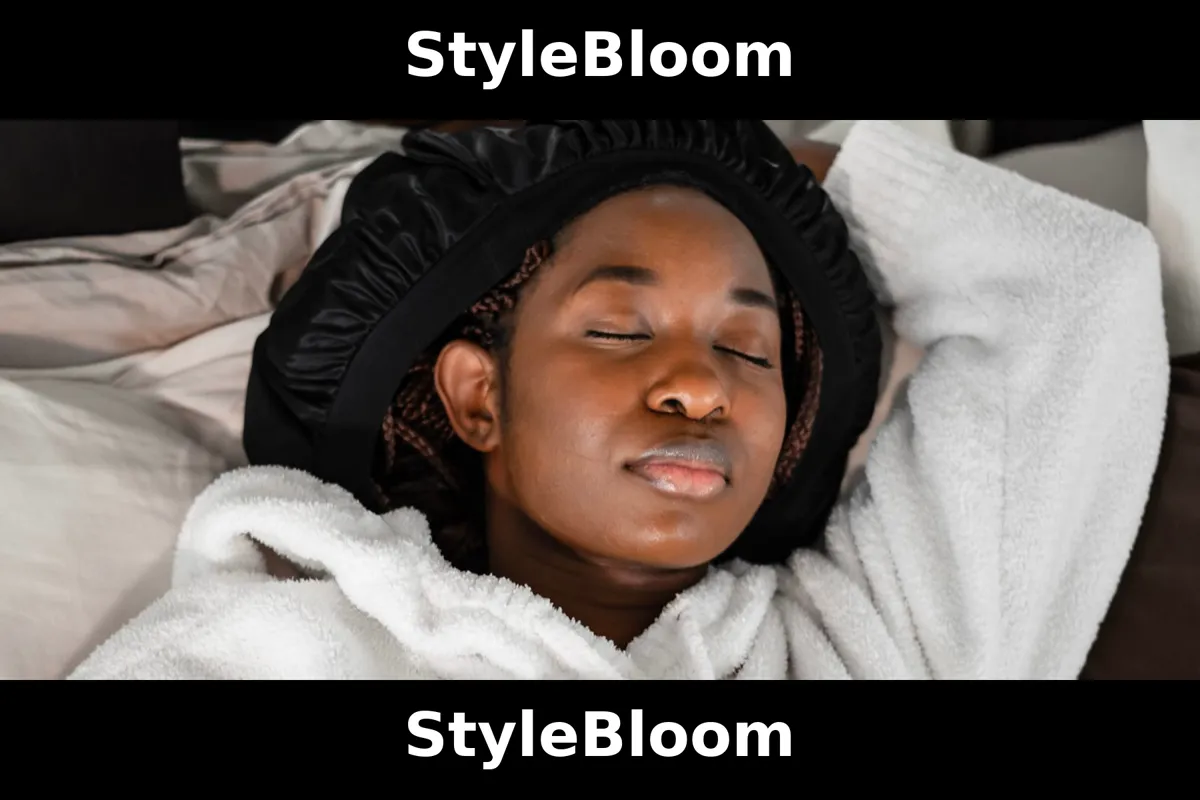
Fit matters more than fabric claims. A bonnet too tight leaves a mark and slides off; one too loose slides off for the opposite reason. Gather the hair loosely, do not pull it tight, and check the elastic sits flat without digging. For what a bonnet does and does not do for hair health, our does a satin bonnet help hair growth guide separates the protection claim from the growth claim. For choosing among bonnets for this pattern family, our best satin bonnets for curly hair guide compares the fits.
Quick vs full: the 15-minute wash day and the full routine
No rival states a total time or says what to skip when short on time, and that omission costs readers their routine on busy weeks. The full routine runs about forty-five to sixty minutes of active work plus drying time: saturate and cleanse (ten minutes), condition and detangle (ten), style in sections (fifteen to twenty), plop or microplop (ten), diffuse or air dry (thirty minutes diffusing, hours air drying). The quick version runs fifteen minutes active: saturate, cleanse the scalp only, condition the ends for two minutes without a soak, rinse, one leave-in and one gel scrunched through unsectioned hair, microplop, diffuse on medium for ten minutes or air dry. What the quick version skips: pre-poo, the soak, sectioning, the cream step, and the diffuser's hover phase. What it never skips: the scalp cleanse, the detangle, and the hands-off drying rule.
Choose the version by the week, not by guilt. A quick wash done properly beats a full wash skipped, and two quick washes beat one full wash followed by four days of buildup. Beginners should run the full routine three times before attempting the quick version, because the quick version assumes the hands already know the sectioning and the scrunch; Gena Marie's first-wash-day experiment is the closest rival to a beginner framing, and its lesson — structure first, speed later — holds here too. The checklist below marks the quick-version steps, so a reader in a hurry can follow the ticks instead of re-reading the guide.
Troubleshooting by failure mode
Troubleshooting splits by failure mode in only two rivals — Curlsmith by hair issue, Ulta by problem — and neither splits by pattern, so the table below does both. Find the failure first, then the pattern, then the fix.
| Failure | Likely cause | Fix |
|---|---|---|
| Roots flat, lengths fine | Product weight at the roots; conditioner on the scalp | Condition ends-up only; rinse fully; diffuse upside down for lift |
| Weighed down, limp all over | Too much product; too heavy a cream; co-wash buildup | Halve every amount; switch cream for mousse; clarifying wash, then resume |
| Frizz halo, shape good underneath | Touching while drying; terry towel; dry detangling | Hands off until dry; T-shirt or microfiber only; detangle wet with conditioner |
| Curls lose shape by midday | Too little hold; cast scrunched out damp | More gel, stronger hold; wait until completely dry before scrunching the cast |
| Ends dry, roots fine | Ends oldest and most exposed; rinse too thorough at the ends | Leave a light coating on the ends; oil the ends after scrunching; trim split ends |
| Scalp oily before the curls do | Frequency too low; conditioner reaching the scalp | Wash one step sooner; keep conditioner off the scalp; shampoo, not co-wash, that wash |
| Itch, flakes, or soreness that persists | Scalp condition, not a routine failure | Wash gently and see a clinician; do not pile on products to cover it |
| Stringy, separated curls | Too much product broken apart; brushing dry or damp | Less product, applied in sections; no brushing outside the shower |
| Crunchy cast that never softens | Too much gel; cast scrunched with product-heavy hands | Less gel next wash; scrunch with clean dry hands, oil on the palms |
| Hard-water dullness or stiffness | Mineral buildup on the strand | Clarifying wash monthly; final rinse with filtered water if the tap is very hard |
| Chlorine or swim dryness | Pool water stripping moisture | Wet and condition before swimming; shampoo and deep condition after |
| Colour-treated fading or dryness | Hot water, harsh cleansers, sun | Lukewarm water, sulfate-free cleanser, mask weekly, protect from sun |
Porosity and density adjust every fix above. Low-porosity hair that stays limp despite halving amounts needs lighter, more liquid products and warmth during the mask, not more rinsing. High-porosity hair that frizzes despite hands-off drying needs a richer leave-in and a sealing oil on the ends, not more gel. Fine hair that goes flat under any cream needs mousse and a full rinse whatever the pattern says. Thick, dense hair that never feels clean needs sectioning at the wash, not a stronger shampoo. Long hair — past the shoulders — needs the section count raised and the detangle time doubled. Men's and children's curly routines follow the same timeline with shorter lengths and fewer sections; the steps do not change, only the amounts and the time.
Mistakes to avoid, and the printable checklist
The consolidated mistake list is the other half of the gap: Curlsmith and Ulta are the only rivals with one, and neither combines it with the steps. Brushing dry curls. Detangling dry. Scrubbing in circles with the nails. Conditioning the scalp on wavy or fine hair. Rinsing conditioner out completely on coily hair. Applying the heaviest product first. Touching the hair while it dries. Scrunching the cast out damp. Sleeping unprotected and blaming the morning. Using a regular conditioner as a co-wash. Skipping the clarifying wash until the hair feels coated. Judging a routine on one wash — curls take four to six weeks of a consistent routine to show their real behaviour, the horizon Curl Maven states for its own method, and a routine changed every wash never gets the chance to settle.
The checklist below is the printable heart of the guide: no rival gives one in the article, and the two that mention the idea keep it behind a purchase or an email signup. Print it, or copy it into a note, and tick it off on wash day. The starred steps are the quick-version steps; everything else belongs to the full routine.
- ☐ Saturate every section until dripping, lukewarm water, low pressure ★
- ☐ Pre-poo if dry, thick, or coily (skip for fine or wavy)
- ☐ Cleanse the scalp, fingertips, back-and-forth, rinse until clear ★
- ☐ Condition ends-up, detangle ends to roots, soak 2–5 minutes ★
- ☐ Rinse with intent: full for wavy, middle for curly, light for coily ★
- ☐ Section the hair: 2 fine, 4 medium, 6–8 thick or dense
- ☐ Leave-in on soaking-wet hair, lightest first ★
- ☐ Cream or milk, rake or brush, scrunch between sections
- ☐ Gel or mousse for hold, praying hands then scrunch ★
- ☐ Plop 10–20 minutes, or microplop section by section ★
- ☐ Air dry or diffuse low/medium; do not touch while drying ★
- ☐ Scrunch out the cast only when completely dry, clean dry hands ★
- ☐ Night: pineapple, bonnet, or satin pillowcase — two of the three ★
- ☐ Day 2: mist, smooth ends, finger-coil the front, leave to dry
- ☐ Day 3: refresh or wash — the scalp cue decides
Bottom line
The routine is a timeline with pattern splits, not a shelf of products. Learn the nine moves in order, set the rinse and the product weight by pattern, decide co-wash versus shampoo by the scalp's condition rather than by loyalty, and give the refresh days their own steps. Four to six weeks of the same routine reveals your own interval — and that interval is the whole routine in one number.
What to try first: Run the full routine once, checklist in hand, and write down three things: your pattern family, your rinse weight, and the day the refresh stops working. Good looks like: defined clumps, calm scalp, shape holding to day two. If it fails: check rinse weight, product amounts, and hands-off drying — in that order. Learn next: Satin Bonnet Night Routine — the overnight protection that decides how day two looks.
Frequently asked questions
- What is no poo?
- No poo means washing without shampoo — with water only, or with conditioner only, for a long stretch. It is the extreme end of the co-wash position: it can suit very dry hair for a while, and it coats and builds up on most other hair. The buildup signs are limp, never-quite-clean hair that stays coated despite washing; a clarifying wash resets it.
- What is a good 3-step routine for curly hair?
- Cleanse the scalp, condition and detangle, then style on wet hair with leave-in and hold. That is the honest minimum, and it is the quick version in this guide with the soak and sectioning added back for the full routine. Three steps done consistently beat nine steps done once.
- Am I supposed to wash my curly hair every day?
- No. Daily shampooing strips the scalp and dries the lengths, and every rival that states a position says to avoid it. Start wavy at three washes a week, curly at two, coily at one wash plus one co-wash, and adjust on the scalp cue: itch, oil, or stale smell means wash sooner; calm scalp and holding shape means wait.
- What is the correct order to do a curly hair routine?
- Saturate, cleanse the scalp, condition and detangle, rinse with intent, leave-in, define, hold, dry without touching, scrunch out the cast when fully dry. Products go lightest to richest, and the cast is scrunched out last, never damp.
- How do you shower without ruining curly hair?
- Keep the water lukewarm and the pressure low, cleanse with the fingertips in a back-and-forth motion rather than circular scrubbing, detangle only with conditioner in the hair, and do not brush or roughly towel the hair at any point. The shower ruins curls through friction and heat, not through water.
- How often are you supposed to wash your curly hair?
- The leading pages disagree, so the figures are attributed in the frequency section: Ouidad gives two to four times a week for loose, wavy, and spiral types, every few days to a week for tight curls, and a weekly co-wash with a monthly shampoo for coily types; Curl Maven states twice a week; Wella states at least once a week, maybe two or three times. Start inside that range and adjust on the scalp cue.
- What can damage your curly hair?
- Heat without protection, harsh cleansers used too often, dry brushing and dry detangling, terry towels, touching the hair while it dries, sleeping unprotected on cotton, and chemical or colour processes without aftercare. Most damage is friction and stripping repeated weekly, not one bad day.
- How do you scrunch curly hair?
- Cup a section of wet, styled hair in an open palm, press it upward toward the scalp, hold a second, and release — repeat section by section, and finish with a final scrunch over the whole head. Scrunching pushes water and product into the curl and encourages the clump; scrunching damp, unstyled hair does little, and scrunching dry hair breaks the cast early.
- Do I have 2C or 3A curls?
- Wash, condition, and let the hair air dry with nothing in it, then look at the shape it makes on its own: waves lie flatter and start lower down the length, curls loop from higher up. The unstyled air-dry read is the honest baseline. The family matters more than the letter — a 2C wave and a 3A curl are closer in needs than a 3A curl and a 4C coil.
- Is it okay to air dry curly hair?
- Yes, and it is the gentlest drying method. It elongates curls, takes hours on thick hair, and suits looser patterns best; diffusing on low or medium heat gives more volume and a faster set. Either way, do not touch the hair while it dries, and scrunch out the cast only when fully dry.
- Should you comb out curly hair in the shower?
- Yes — the shower, with conditioner in the hair, is the right place to detangle. Use fingers first, then a wide-tooth comb, working from the ends upward in short passes. Combing dry curly hair breaks the pattern into frizz and is the one combing rule every rival agrees on.
- How long can curly hair go without washing?
- As long as the scalp stays calm and the shape holds: two to four days for most wavy and curly hair, up to a week for coily hair on a co-wash cadence. The refresh days in this guide extend the interval; an itchy, oily, or stale-smelling scalp ends it whatever the calendar says.
- Is it true that you shouldn't brush curly hair?
- Do not brush dry curly hair, and do not brush damp hair outside the shower routine. Brushing wet, conditioned hair in the shower — or brushing during styling on soaking-wet hair, as the brush-styling method does — is a different act with a different result: even clumps instead of frizz. The rule is about dry brushing, not about brushes.
- How to tell if curly hair needs to be washed?
- The scalp tells first: itch, oil at the roots, stale smell, or flakes beyond the odd dry speck. The shape tells second: refresh stops working, the crown stays flat, and the curls collapse within an hour of refreshing. Either signal means wash; neither signal means wait for the scheduled day.
- What is the best shampoo for curly hair?
- There is no single best shampoo — the choice follows pattern, porosity, and scalp. A gentle sulfate-free shampoo suits most curly hair; a low-lather cleanser suits dry or co-wash weeks; a clarifying shampoo suits monthly resets and buildup. Choose by the decision table in this guide, by product type rather than by brand, and change only one variable at a time.