
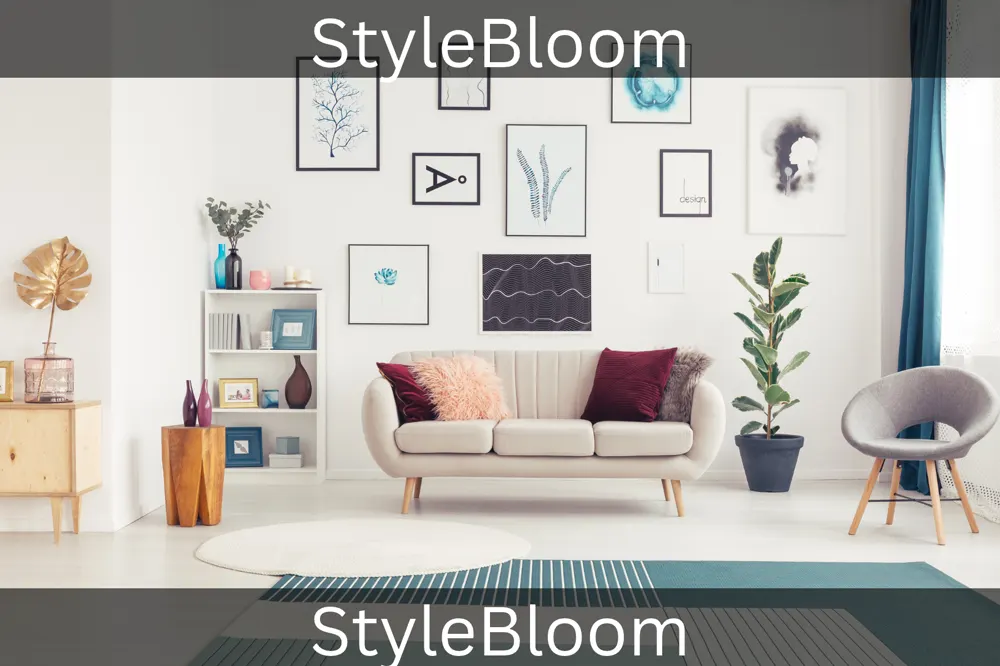
First win: Before you buy anything, photograph the room, measure the wall and floor, and write down one number: your total budget for this room.
How we chose cheap without cheap-looking
No sponsored placements, and no store paid to be here. Here is the actual process:
Fresh search first. We read the live top 10 for this exact query on October 31, 2026, and noted what every rival missed: current prices, store comparisons, and a method for spending a small budget well.
Prices verified, then dated. Every specific price comes from a retailer's own listing or a dated report read during this build. Prices move constantly, so a quoted price is evidence of what a store charged recently, not a guarantee of today's price.
The "will it still look good in two years?" test. Trendy decor fails fast. A plain frame, a neutral rug, and a simple lamp survive style changes; anything that screams one season has to be nearly free to be worth it.
What we didn't do. We don't claim to have personally bought and tested every store here — distrust any guide that claims it did. We checked listings, prices, and policies, and we name each store's weakness plainly. Secondhand prices are local: no guide can promise you a $95 sofa in your town.
At a glance — where to shop first
Start from what you need, not from a store's homepage. Find your row, then go there first.
| Store / channel | Best for | Budget feel | Watch out for |
|---|---|---|---|
| Target (Threshold, Opalhouse) | Framed art, pillows, seasonal decor | $20–$65 for small framed art | Large pieces jump to $100–$360 |
| Walmart (Mainstays, Better Homes and Gardens) | Rugs, doormats, everyday basics | Rugs from about $11 on sale | Sale prices move weekly; check the size |
| IKEA | Frames, ledges, lighting, plant pots | Small frames for single-digit dollars | Some lines discontinued; plastic fronts, not glass |
| Wayfair | Sale rugs, lighting, decor | Sale rugs from the high $20s | List prices inflated; judge sale price only |
| H&M Home | Cushion covers, throws, vases | Covers from about $10 on sale | Covers sold without inserts |
| HomeGoods / TJ Maxx / Ross | One-of-a-kind finds, mirrors, lamps | Often 20–60% below department-store prices | No restocks: love it, buy it today |
| Dollar Tree / Dollar General | Vases, candleholders, craft bases | Most items $1.25 at Dollar Tree | Plus items $3–$7; skip electronics and fabric |
| Facebook Marketplace / OfferUp | Solid wood, mirrors, lamps | Often half of retail or less | No returns; inspect in person |
| Goodwill / thrift stores | Frames, baskets, vases, lamps | Single dollars to low tens per piece | Quality varies daily; inspect everything |
| Habitat ReStore | Furniture, lighting, mirrors, building materials | Often well below retail; pricing is local | Usually final sale; delivery can cost extra |
| Estate / garage sales | Vintage pieces, art, solid wood | Lowest on the last day | Cash, no returns, you haul it |
| Amazon (search links in this guide) | Frame sets, washable rugs, pillow covers | Set pricing beats singles | Listings vary — judge seller and reviews |
Pick your budget first
A budget is a decision about where the money goes. The tiers below are for one room, assuming you own the furniture — at every level the rug and the wall eat most of it, because they cover the most surface.
| Room budget | Rug + walls | Textiles + light | Accessories |
|---|---|---|---|
| $25 | Thrifted frames with your own prints, or Dollar Tree mirrors grouped as a gallery | One new cushion cover on an insert you own | One vase or candleholder from Dollar Tree, plus a plant cutting from a friend |
| $50 | One sale rug (small) or two framed prints from Target or IKEA | Two cushion covers and a throw from H&M Home or Walmart | A thrifted lamp with a new shade, or three small secondhand finds |
| $100 | A 5-by-7 sale rug from Wayfair or Walmart, plus a gallery wall of matching frames | Cushion covers, a throw, and a table lamp | A mirror, baskets, and books from thrift and off-price stores |
| $200 | A larger rug, real framed art, and a statement mirror | Layered textiles, two lamps, and curtain panels | Secondhand wood pieces and plants with real pots |
Budget rule: price the whole room before you buy the first piece. Write down the rug, the wall, the light, and the textiles, add 10% for what you forgot (hooks, inserts, a shade), and only then start buying. Decor bought one impulse at a time always costs more than decor bought from a list.
Online and big-box budget retail
Target: the design-led budget store
Target's house lines — Threshold, the Studio McGee collaboration, plus Opalhouse for color — lead so many "cheap decor" conversations: matte frames, neutral palettes, real design references. Prices verified from Target's own listings on October 31, 2026: small framed art from $20, a 9-by-11 floral at $23, a 16-by-14 landscape at $38, a 24-by-30 abstract at $60, and two 16-by-20 prints at $65. The trap is scale: big statement canvases jump to $100 and $360, which is not budget territory. Shop Target for small and medium framed art and pillow covers — and check dimensions: a $20 print 11 inches wide disappears on a big wall.
Walmart: rugs, basics, and honest prices
Walmart's strength is scale and price transparency: Mainstays covers rugs, doormats, curtains, and storage at prices that undercut nearly everyone, and Walmart.com's marketplace side carries name-brand rugs at deep sale prices. Verified sale prices from dated 2026 reports: a Mainstays outdoor layering rug at $11, a coir doormat at $12, a Safavieh Courtyard rug at $49 (down from $133, August 2026), and a Berthmeer 8-by-10 at $85 (down from $148, October 8, 2026). Sale prices end, but the pattern is stable: Walmart is where a large rug costs the least, most often.
Buy rugs, doormats, curtain panels, and baskets at Walmart; be pickier about framed art and objects you will look at closely every day.
IKEA: frames, ledges, and the gallery wall kit
IKEA is the cheapest honest source for gallery-wall bones: simple frames, picture ledges, plant pots, and basic lighting. One honest update: the RIBBA line a decade of guides recommended is no longer sold in US stores. The cheapest current line is FISKBO: a 2024 guide found the smallest frames at around $2 and 8-by-10 frames roughly $4 to $13, and IKEA's European listings in October 2026 showed FISKBO from €2.99 to €9.99. Check IKEA.com for today's US price. The trade-off: many IKEA frames use a plastic front instead of glass, with delicate corners — fine for a gallery wall, not for one precious piece.
IKEA's picture ledges deserve a mention for renters: lean frames, swap art seasonally, remove everything with two small holes instead of ten — the best renter wall solution in this guide, for less than most single frames.
Wayfair: judge the sale price, never the list price
Wayfair's list prices are theater: a rug "marked down" from $569 to $87 is an $87 rug. Once you accept that, Wayfair is genuinely useful — an enormous rug selection, constant sales, and filters for exact size, which matters more than any other rug feature. Verified October 2026 sale prices: a Martha Stewart cotton geometric rug from $28 (5-by-7 at $75, down from $210); a Magnolia Home by Joanna Gaines x Loloi Junie rug from $35 (down from $79); a Martha Stewart viscose floral rug at $77 for the 5-by-7 (down from $419).
H&M Home: the European look for the price of two coffees
H&M Home is the fastest way to make a sofa look styled: cushion covers in linen blends, velvet, and seasonal prints. Verified October 2026 prices: an embroidered-motif cover on sale at $9.75 (down from $12.99, October 21 report), a linen-blend cover at $19.99, and a fluffy textured cover at $39.99 on H&M's own US site. The catch, stated on every listing and missed by half the buyers: H&M sells the cover, not the cushion. Budget $8 to $15 per insert, or reuse inserts you own — a new cover on an old insert is the cheapest refresh in this guide.
World Market and At Home: the specialists
World Market and At Home: shop them for one statement accessory per room — a basket, a carved bowl, a textured throw — not for the whole room.
Discount and off-price stores
Off-price stores — HomeGoods, TJ Maxx, Marshalls, Ross — sell overstock below department-store prices. No two visits are alike, nothing is restocked, and the best pieces go first.
HomeGoods is the strongest of the group for decor: mirrors, lamps, pillows, wall art, and seasonal pieces, usually 20% to 60% below department-store prices. Shop it with a list and a tape measure. TJ Maxx and Marshalls hide the same overstock in smaller home sections, especially mirrors and lamps. Ross has the lowest prices and the least consistent quality: check everything for chips, wobble, and missing hardware before you pay.
Ollie's Bargain Outlet, where one exists nearby, offers genuine closeout prices on rugs, flooring, and housewares — go when you have time to hunt, not when you need one specific thing by Friday.
Dollar Tree and Dollar General are the bottom rung of price and the top rung of volume. At Dollar Tree, most items are $1.25, with some at $1.50 and Plus items at $3, $5, and $7 — verified from October 2026 reports, including a gold metal lantern at $5 and a beveled mirror at $1.50. Dollar Tree is excellent for vases, candleholders, grouped mirrors, craft bases you paint yourself, and seasonal filler. It is poor for electronics, washable fabric, and anything that must hold weight. The trap: twelve $1.25 impulse buys instead of one $15 piece that finishes the room. Buy the three pieces on your list, and leave the rest.
Secondhand and resale
Secondhand holds the biggest savings here — and needs the most judgment. A solid wood side table for $30 beats a new particleboard one for $80 on every axis except convenience, but there is no returns desk or warranty. You will find no affiliate links in this section: search your own local listings.
Facebook Marketplace and OfferUp
Marketplace is the largest secondhand showroom in the US, and the best place for solid wood furniture, large mirrors, lamps, and plant stands nearby. Search the piece, not the style, plus your town, and filter by distance first: a $20 mirror 60 miles away is a $50 mirror after gas and time. Pay in person after inspection, and meet in public or bring someone for larger items. Genuinely cheap on Marketplace: heavy wood, big mirrors, floor lamps. Overpriced: small trendy decor, usually cheaper new at Target.
Goodwill and thrift stores
Thrift stores are the slowest, cheapest, and most variable channel here. The same store can be empty on Tuesday and extraordinary on Thursday, because inventory turns over daily. The best thrift decor buys are frames, baskets, vases, books, lamps (check the wiring, plan a new shade), and solid wood that needs only cleaning. Published guides put Goodwill sofas roughly at $36 to $207 and chairs at $26 to $104 — wide ranges that prove the point: thrift pricing is local and unrepeatable.
Thrift hygiene is non-negotiable: wash hard goods, launder textiles hot, check upholstery for stains, smells, and pests, and pass on anything upholstered you cannot fully inspect. Shop the whole store, not the decor aisle — the best vases hide in housewares, the best frames near the books.
Habitat for Humanity ReStore
ReStores are nonprofit home-improvement stores selling donated new and gently used furniture, lighting, mirrors, and building materials, with proceeds funding Habitat's housing work. They are the best secondhand source for larger pieces and lighting, and there is no national price list — each affiliate prices its own donations. Twin Cities ReStore examples put furniture roughly at $40 to $500 with an average sofa around $95; another guide reports 30% to 70% below retail. Both illustrate one market, not your store's prices. The rules: sales are usually final, so measure twice and inspect everything; inventory turns fast, so Monday's good piece is gone Tuesday; and delivery can cost extra — some affiliates advertise curbside delivery from around $135, which can erase the savings on a small piece. Ask the delivery cost before you pay.
Estate sales and garage sales
Estate sales are the connoisseur's channel: whole houses of belongings, priced to sell over a weekend, cheapest on the last day. Garage sales are the same idea smaller. You need cash, a vehicle, and the willingness to inspect and haul. Best buys: solid wood, vintage art, collections, anything heavy. Worst: electronics, untestable cords, uninspectable upholstery. Golden rule: if you cannot carry it, measure it, and check it in daylight, do not buy it.
The secondhand inspection checklist
Five-point check before you pay: (1) Structure: sit on it, open every drawer — wobble and stuck drawers are the most common regrets. (2) Smell: smoke and mildew rarely leave upholstery. (3) Damage: check backs, undersides, and joints. (4) Completeness: price missing shelves, hardware, and shades first. (5) Transport: confirm it fits your vehicle and doorway, including any delivery fee. A piece that fails any one of these is not a bargain at any price.
Clearance and sale-section tactics
Shop the calendar, not the mood. Seasonal decor drops 50% or more the week after the holiday, outdoor decor clears in late August and September, and January is the deepest clearance month. Buy next year's seasonal decor in January.
Check the end caps and the back wall first. Clearance lives on end caps and back walls, or on red-tagged shelves at HomeGoods. Floor models and open boxes are often marked down — ask for the display discount on lamps and mirrors, usually perfect except for dust.
Never let a discount invent a need. A 70%-off vase you don't need is $8 of clutter: if you don't know exactly where it goes, the price is irrelevant. Check the return policy too — much clearance is final sale.
Wall decor for less
Walls are the highest-impact, lowest-cost surface in any room. A blank wall makes a furnished room look unfinished; a considered wall makes a sparse room look intentional. Measure the wall, choose the arrangement, then buy the pieces to fit it.
The gallery wall is the budget wall. A grid of matching frames costs less than one large statement piece and looks more collected. IKEA's simple FISKBO frames in one color and size are the cheapest honest start; Target's small framed art ($20 to $65 verified above) fills their bigger cousins. Consistency makes gallery walls work: same frame color, same mat color, varied art inside. Ten different frames look like a dorm room; ten matching frames with mixed prints look designed.
Art itself is nearly free now. The frame is the cost; the art inside can cost nothing. Your own black-and-white photographs, printed at a drugstore, look genuinely good in matching frames. Free public-domain art — museum collections, vintage botanical prints, old maps — prints beautifully at large sizes, and children's art in a matted frame outclasses most store-bought prints. The $20 saved on the print buys the better frame, the part everyone sees.
Mirrors are wall decor that pays rent twice. A mirror fills a wall, bounces light, and makes a small room feel larger — three jobs for one purchase. Thrift stores and Marketplace are the best mirror sources — large mirrors are expensive to ship, so local prices stay low — and Dollar Tree's $1.50 beveled mirrors, grouped in threes or fives, make a good small gallery. Check secondhand mirrors for silvering loss (black edge spots) and a solid back and wire: a mirror that cannot hang safely is not a bargain.
Check Price on Amazon Check Price on Amazon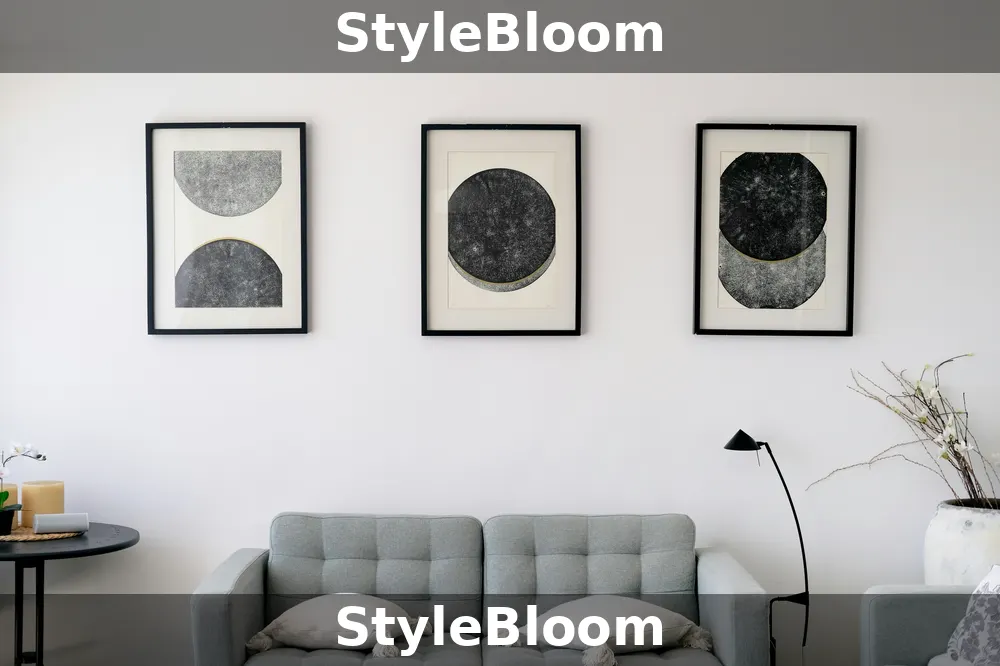
Rugs that anchor a room
If you buy one thing from this guide, buy the rug. It defines the room's boundaries, sets its palette, softens sound, and hides a floor you don't love. A room with the right rug looks finished even when everything else is thrifted.
The most common rug mistake is buying too small: the front legs of the sofa and chairs should sit on the rug — a 5-by-7 at minimum, an 8-by-10 for a full seating group. Measure the footprint, add the margins, and buy that size — a too-small rug makes the whole room look smaller.
Sale rugs are the norm, not the exception. Rugs are perpetually "on sale," which means the sale price is the price. Verified October 2026 sale prices: a Martha Stewart cotton geometric rug from $28 (5-by-7 at $75) on Wayfair; a Magnolia Home by Joanna Gaines x Loloi Junie rug from $35; a Berthmeer 8-by-10 at $85 (down from $148) at Walmart; a Mainstays layering rug at $11. The pattern is the same: the best prices appear during sales, the size determines the real price, and the "was" price is marketing. Filter by exact size and prefer washable or low-pile rugs where traffic is high or pets live.
Layering is the budget trick for big rooms. A large neutral jute or flatweave base with a smaller patterned rug on top looks custom for less than one large patterned piece — the eye reads the top layer. It also fixes a rug you own that is slightly too small: a larger, cheaper base underneath makes the arrangement look intentional instead of undersized.
Check Price on AmazonLighting, pillows, and textiles
Light and textiles are felt rather than seen, which is why they change a room faster than objects do. One overhead light and bare windows feel unfinished at any budget; two warm lamps and soft textiles feel finished at almost any budget.
Lighting: two lamps beat one chandelier. Aim for three light sources at different heights: overhead, table or floor lamp, and one small accent. Table lamps are the best budget buy in lighting — thrift and off-price stores sell them constantly. Buy the base secondhand if the shape is good and budget for a new shade. Check the cord, plug, and socket, and never buy a cracked socket or frayed cord unless you can rewire it.
Pillows: covers, not pillows. The cheapest sofa refresh is new covers on old inserts, and H&M Home is the best source: verified covers from $9.75 on sale to $19.99 for a linen blend, with the fluffy cover at $39.99 on H&M's own site. Remember the insert rule: a 20-inch cover needs a 22-inch insert to look full — buy inserts one size up, or reuse inserts you own. Two covers in a rug color plus one textured cover is the whole formula; more than four pillows on a standard sofa looks like storage, not styling.
Throws and curtains: the soft architecture. A throw over one sofa arm, in a color pulled from the rug or art, finishes a seating group for one accessory's price. Curtains do the same vertically: rod high and wide, panels just kissing the floor, and the window — and the room — looks taller. Walmart and IKEA sell honest panels cheaply; the expensive-looking part is the hanging height, not the fabric.
Check Price on Amazon Check Price on Amazon Check Price on Amazon Check Price on Amazon Check Price on Amazon
Kitchen and dining touches
Kitchens reward the smallest decor budget because they are already full of objects — the job is editing, not buying. Clear one surface, then put back only what earns its place: a board, a vase with real stems, a bowl of fruit. A cleared counter with three considered objects looks more "decorated" than a crowded counter with twenty.
The budget buys that work in kitchens are also tools: a wooden board, a stoneware crock, linen napkins in one color, a simple runner. Dollar Tree's $1.25 and $1.50 pieces shine here — a stoneware plate as a soap dish, a glass candleholder as a vase — because kitchen decor gets wet and knocked around, and the replacement cost should match that life. Skip the themed set: matching "farmhouse" canisters, signs, and towels look coordinated in the store and cluttered at home. One theme, at most three objects, is the limit.
For dining, the best cheap upgrade is a tablecloth or runner plus cloth napkins — less than one centerpiece, and the whole table changes. The second is lighting: a low pendant or candles at dining height make weeknight dinners feel intentional. If you cannot name where it goes and what it replaces, it stays in the store.
Check Price on AmazonRenter-friendly decor
Renting does not mean blank walls. It means decor that comes down cleanly, leaves no holes, and moves with you: removable adhesive hooks, picture ledges, leaning art, tension rods, and peel-and-stick paper used sparingly.
Walls without damage. Adhesive strips and hooks hold frames up to their rated weight — check the rating, clean the wall with rubbing alcohol first, and follow removal instructions exactly: most damage comes from rushed removal. Picture ledges need only two small holes, and large art can simply lean on a console or the floor. Our full guide to hanging things without damaging rental walls covers weights, surfaces, and the removal steps that protect your deposit, and our no-drill renter fixes round out the rest of the toolkit.
Peel-and-stick, used sparingly. Removable wallpaper is the renter's boldest tool and easiest regret: one accent wall in a pattern you will love for a full lease is a triumph; four walls of loud print is a cave. Buy one roll and check removal terms. Same caution for peel-and-stick tile on uneven walls.
Decor that moves with you. The renter's best investments are not attached to anything: rugs, lamps, leaning mirrors, plants in real pots, and textiles — the pieces this guide prices most carefully, for exactly that reason. When the lease ends, the rug, lamp, and mirror move; the wallpaper does not. Spend accordingly. In small rentals, our small-apartment organizing ideas pair with this section: every decor choice is also a storage choice, and the best rooms plan decor and organization together.
Check Price on Amazon Check Price on Amazon
The low-budget decorating method
Stores are the easy part. The method is what turns cheap pieces into a room that looks considered. It has five steps, and none of them cost money.
Step 1: Empty one surface. Take everything off the worst surface — mantel, console, shelf — clean it, and live with it empty for a day. Half of "decorating" is realizing how little a surface needs.
Step 2: Choose one anchor per surface. Every surface gets one anchor — the largest, tallest, or most meaningful object. It sets the height and the story; everything else supports it.
Step 3: Group in odd numbers. This is the 3-5-7 rule, explained honestly: it is a stylist guideline, not a measured fact. The idea is that groupings of three, five, or seven objects look more natural than even groupings, because the eye doesn't split an odd group into pairs. Nobody has proven it in a lab — but "three things, varied heights" fixes more bad arrangements than any other single tip. Use it as a default, not a law.
Step 4: Vary height, repeat color. A good group has a tall, a medium, and a low object, and repeats one color from elsewhere in the room. Height creates the silhouette; color repetition creates the connection. Three same-height objects in three unrelated colors look like a yard sale at any price.
Step 5: Leave empty space on purpose. The most expensive-looking rooms have the most empty surface. If a shelf is full edge to edge, remove a third: empty space makes the remaining objects look chosen instead of accumulated.
Run this method before you shop, not after. Most rooms need two or three new pieces after it, not ten — and the pieces you buy will have a job waiting when they arrive. Once you know what each room needs, our decorating ideas at home on a budget guide runs the same method room by room, with budget tiers, renter-safe moves, and DIY projects rated by skill and time.
7 rules that make cheap look expensive
Seven rules separate "cheap" from "cheap-looking." None requires spending more; all require deciding more.
1. Match your metals and woods. One metal finish and one wood tone family per room. Mixed finishes read as accidental; matched finishes read as chosen.
2. Go bigger on the few, smaller on the many. One large frame beats four small ones; one large plant beats five tiny ones. Scattered small objects read as clutter; one confident large object reads as design.
3. Hide the cheap parts. The back of a frame, the cord of a lamp, the plastic pot inside the ceramic one — hide them. A $20 lamp with a managed cord and good shade looks like $100.
4. Repeat one color three times. Pick one accent color from the rug or art and repeat it in exactly three places: a pillow, a vase, a book spine. Three reads as a palette; one as an accident; seven as a theme park.
5. Use real materials where hands go. Throws, cushions, and towels should feel good — spend the small premium there and save on the vase nobody touches. Hands forgive a cheap vase; never a scratchy throw.
6. Edit ruthlessly, then edit once more. Before you call a room done, remove one more object from every surface — it is almost always the one making the surface look busy.
7. Light it warm and low. Overhead lights flatten a room and expose every cheap edge. Lamps at seating height, warm bulbs, and one candle make the same room look softer and richer — for the cost of a bulb change.
What not to buy
1. Anything with a slogan you didn't write. "Live, Laugh, Love" and its cousins make a room look generic fast. If the words matter, write them yourself — a handwritten note in a good frame beats a factory slogan in any frame.
2. Faux plants that look faux. A good faux plant is nearly indistinguishable from real at arm's length; a bad one is shiny plastic that announces itself from the doorway. If you cannot afford a convincing one, buy a real pothos for a few dollars and a real pot. Same rule for faux flowers: one realistic stem beats a bouquet of shiny ones.
3. Matching sets of everything. A five-piece "coastal set" looks like a showroom, not a home. Buy the one piece you love from the set and let the rest of the room disagree a little. Collected beats matched, every time.
4. Tiny art for big walls. One 8-by-10 frame centered on a ten-foot wall looks lost. Group small frames into a gallery, buy the big piece the wall needs, or leave the wall empty until you can. An empty wall is a decision; a tiny lonely frame is an accident.
5. Anything you can't return, can't inspect, or can't carry. Final-sale clearance, sight-unseen secondhand, and oversized pieces without a transport plan turn bargains into storage problems.
Quick answers
What is the single cheapest way to change a room? Move the furniture, clean every surface, restyle what you own with the five-step method — then buy one textile change if needed.
Where should I look first? Target or Walmart for new basics, HomeGoods for one-of-a-kind finds, Facebook Marketplace for the biggest savings on wood, mirrors, and lamps.
What should I buy first? The rug, then the wall — the two surfaces that cover the most area and set the room's colors.
Cheap new or quality secondhand? Rugs, textiles, and washables: cheap new, on sale. Wood, mirrors, lamps: quality secondhand, inspected. Frames: whichever is cheaper in the size you need.
What to try first: Photograph your room, measure the wall and floor, and set one budget number before you shop. Good looks like: one rug and one wall arrangement setting the room's colors, nothing bought without a place to go. If it fails: return the newest piece first — the plan was right, the piece was wrong. Learn next: 12 Ideas for Tiny Apartments.
Frequently asked questions
- What is the cheapest home decor store?
- There is no single cheapest store for everything. Dollar Tree is cheapest per item at $1.25 for most pieces, Walmart is cheapest for rugs and basics, and secondhand channels like Facebook Marketplace and thrift stores are cheapest overall for wood, mirrors, and lamps. The cheapest route is to check thrift and off-price stores first for character pieces, then fill the gaps at Target, Walmart, or IKEA.
- How can I decorate my home on a low budget?
- Start with a number for one room, not a shopping trip. Empty one surface, choose one anchor per surface, and spend the budget on the rug and the wall first, since they cover the most area. Use the five-step method in this guide, buy cushion covers instead of new pillows, hunt clearance and secondhand before paying full price, and stop when every piece has a place. Most rooms need two or three well-chosen pieces, not ten small ones.
- What is the 3-5-7 rule in decorating?
- The 3-5-7 rule is a stylist guideline that says groupings of three, five, or seven objects look more natural than even groupings, because the eye does not split an odd group into pairs. It is a rule of thumb from working stylists, not a measured scientific fact, and plenty of beautiful rooms break it. Use it as a starting default for shelves and mantels — three objects at varied heights — and trust your eye over the number when two objects clearly belong together.
- Where can I find inexpensive wall decor?
- Start with matching frames from IKEA and your own prints or free public-domain art, which makes the art itself nearly free. Target sells small framed art from $20, verified in October 2026. Thrift stores sell solid frames for a few dollars, Dollar Tree sells $1.50 beveled mirrors that group well into gallery walls, and Facebook Marketplace is the best source for large mirrors, since they are expensive to ship and cheap locally. Measure the wall first and buy the arrangement, not single pieces.
- Is it cheaper to buy home decor at thrift stores or new?
- Thrift stores are cheaper per piece for frames, baskets, vases, lamps, and solid wood, but the selection is unpredictable and there are no returns. New budget retail is cheaper for rugs, textiles, and anything you need in an exact size or color, and it comes with returns. The cheapest overall strategy is both: thrift first for character and wood, then new on sale for the rug and textiles that need to match.
- What should I check before buying secondhand furniture?
- Check five things before you pay: structure (sit on it, open every drawer, test for wobble), smell (smoke and mildew rarely leave upholstery), damage (backs, undersides, and joints, not just the front), completeness (missing shelves, hardware, and shades turn a bargain into a project), and transport (it must fit your vehicle and your doorway, including any delivery fee). If a piece fails any one of these, walk away no matter how low the price.
- Is cheap wall art worth it, or does it look cheap?
- Cheap wall art looks good when the frame is consistent and the print is honest. A matching set of simple frames with your own black-and-white photos or public-domain prints looks considered at any price. Cheap art looks cheap when frames mismatch, prints are glossy and generic, or a single tiny frame floats alone on a big wall. Spend on the frame and the arrangement, not on an expensive print, because the frame and the grouping are what the eye reads first.
- What size rug should I buy for a living room?
- Buy the size that lets the front legs of the sofa and chairs sit on the rug. For most seating groups that means a 5-by-7 rug at minimum and an 8-by-10 for a full arrangement. Measure the furniture footprint, add the margins, and buy that size rather than the size that fits the budget first. A too-small rug makes the whole room look smaller, while a correctly sized sale rug is the single highest-impact purchase in this guide.
- How do I decorate a rental without losing my deposit?
- Use removable adhesive hooks rated for the frame weight, picture ledges that need only two small holes, leaning art, and tension rods, and follow removal instructions exactly, since most damage comes from rushed removal. Avoid peel-and-stick wallpaper on more than one accent wall, test it first, and keep every piece you buy movable: rugs, lamps, leaning mirrors, and textiles all move with you. Photograph the walls when you move in so you can prove the condition when you leave.
- When is the best time of year to buy home decor on sale?
- January is the deepest clearance month, as stores reset for spring and clear rugs, lamps, textiles, and storage. Seasonal decor drops sharply the week after each holiday, outdoor decor clears in late August and September, and Wayfair, Way Day, and holiday sales run through the year. The rule is to buy next season's decor during this season's clearance, and to never pay full price for a rug, since rugs are perpetually on sale somewhere.
- Are Dollar Tree decorations good quality?
- Dollar Tree is good for vases, candleholders, mirrors, craft bases, and seasonal filler at $1.25 for most items, with some pieces at $1.50 and Plus items at $3, $5, and $7. It is poor for electronics, fabric that must survive washing, and anything that has to hold weight. The quality test is the same as anywhere: check for chips, wobble, and thin materials in the store, buy only the pieces on your list, and remember that twelve $1.25 impulse buys cost more than one $15 piece that finishes the room.
- How do I make a small apartment look decorated without clutter?
- Decorate vertically and edit constantly. One gallery wall, one rug that fits the furniture footprint, and one textile change do more than ten small objects. Use mirrors to bounce light, keep surfaces two-thirds empty, and let every object earn its place by being beautiful, useful, or both. In a small space, decor and organization are the same job: if a surface holds storage, it should hold beautiful storage, and if it holds decor, it should hold only what you love.
- Do shipping costs wipe out online decor savings?
- They can, especially on heavy or oversized pieces like mirrors, large rugs, and furniture, where a single delivery fee can erase the discount. Before you buy online, check the delivered total: item price plus shipping plus any return shipping if it does not fit. For heavy pieces, local pickup from Marketplace, thrift stores, and ReStore usually wins. For light pieces like pillow covers, frames in sets, and peel-and-stick paper, online prices usually win even with shipping, especially when an order crosses a free-shipping threshold you were going to cross anyway.
- What home decor should I never buy cheap?
- Never buy cheap versions of things you touch daily or that must be safe: a wobbly lamp with a damaged cord, a rug that sheds constantly or cannot be cleaned, a throw that feels scratchy, and any upholstered secondhand piece you cannot fully inspect. Spend the small premium on the throw, the rug pad, and the lamp shade, and save aggressively on vases, frames, baskets, and seasonal pieces, where cheap materials are invisible at arm's length.
- How much should I budget to decorate one room?
- A visible refresh of one room starts at about $25 for a gallery arrangement plus one textile change, reaches a comfortable level at $100 with a sale rug and layered textiles, and feels complete at $200 with a larger rug, real framed art, and a statement mirror. Those tiers assume you already own the furniture. Price the whole room first, add 10 percent for hooks, inserts, and the things you forgot, and buy from the list rather than one impulse at a time.