The medicube Products Everyone Is Buying Right Now: Body Care Set, NAD+ Serum & the Jelly Mask
Demand data says one K-beauty brand is outselling nearly everything on a major US shopping platform right now. This is the honest, demand-guided tour: what each best-seller actually is, who it suits, who should skip it — and no prices, because prices change faster than this page does.
- The medicube Body Care Set — hypochlorous acid spray, kojic acid and turmeric soap, hyaluronic acid lotion — is the single best-selling K-beauty item on one major US storefront right now, with roughly $6.8 million in sales across about 220,000 orders in one month.
- The NAD+ EGF Firming Serum is the fastest riser of the brand's lineup, growing about 162% in the same period.
- The PDRN Pink Collagen Jelly Mask and the PDRN Sunscreen Stick round out the wave — and all four are covered here in plain English, with a who-suits / who-skips verdict for each.
- The honest rule that runs through this whole guide: sales numbers prove demand, not results. We have not tested these products ourselves, so nothing here is a review — it is a map of what is selling and whether it belongs in your routine.
If you just want the bottom line: match each product below to a real gap in your routine. If there is no gap, no sales chart should put one there. The "who should skip" section is the most valuable part of this guide — read it before any checkout page.
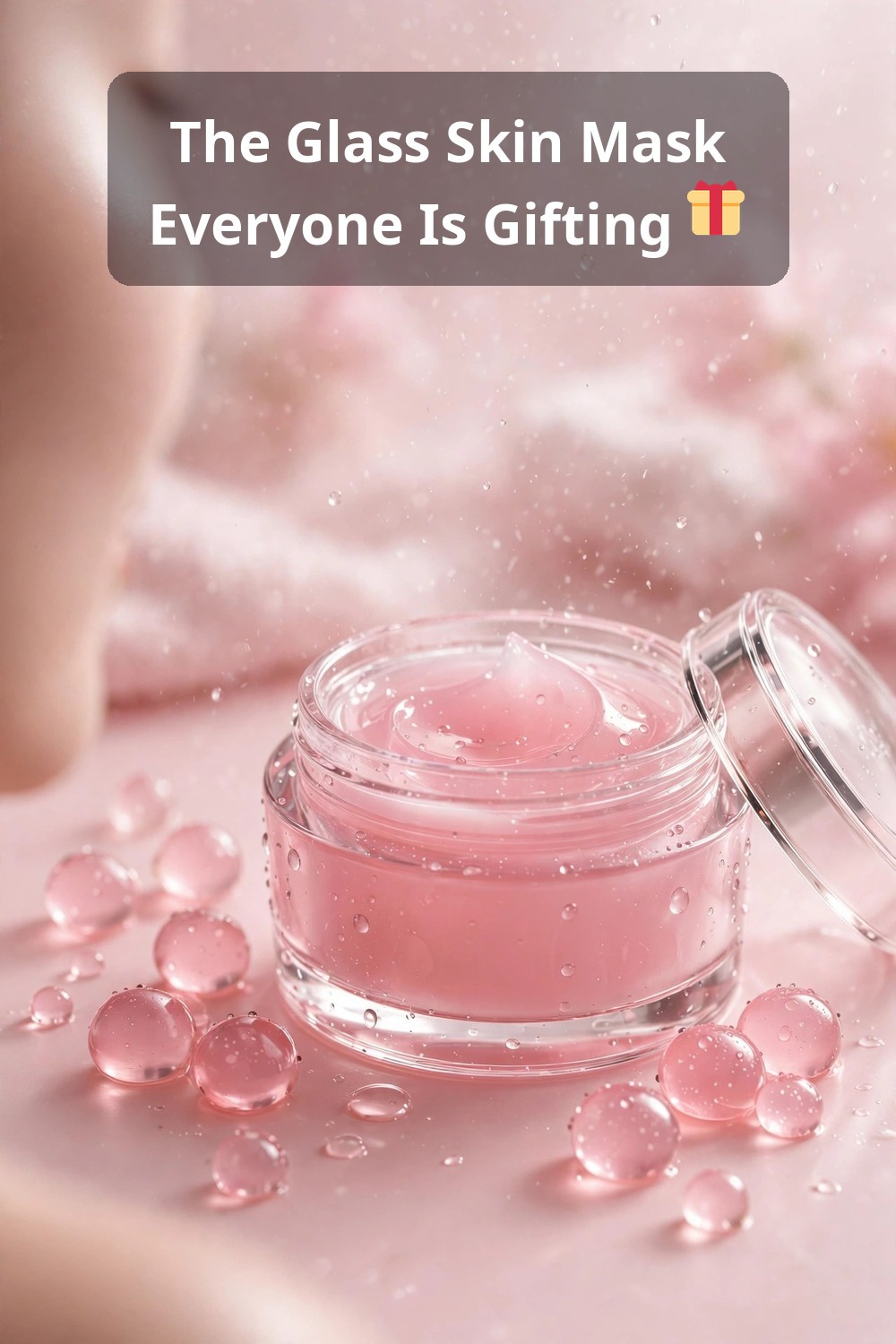
The product at the center of the medicube wave: the PDRN Pink Collagen Jelly Mask, the face of a thousand glass-skin videos
You have seen the videos. The pink jars, the jelly textures, the "my skin looks like glass" thumbnails — the Korean brand medicube has become the most visible K-beauty name on one major US shopping platform's beauty charts this autumn, and the numbers behind it are genuinely startling. Tracked demand data from that platform's US storefront shows the brand's Body Care Set doing roughly $6.8 million across about 220,000 orders in a single month, making it the platform's number-one beauty seller. Its NAD+ EGF Firming Serum grew about 162% in the same stretch, and the sunscreen stick ranked right behind the body set as the month's second-biggest seller. That is a brand having a genuine moment, not a manufactured one.
But moments are not the same as recommendations, and this guide refuses to confuse the two. We have not personally tested these products — so this is not a review, and it will not pretend to be one. What it is: a demand-guided buyer's guide that takes the four products everyone is buying and explains each in plain English — what it actually is, what each key ingredient does in real terms, who it genuinely suits, and who should walk away. No fake before-and-after stories. No invented results. No prices anywhere on this page, either: beauty prices shift constantly and quietly, so every product link is a live check-price button and you see today's real number on Amazon itself.
As an Amazon Associate, StyleBloom earns from qualifying purchases. This guide contains affiliate links — it costs you nothing extra and keeps our content free.
How to read the numbers in this guide
Before the products, one short section on the numbers — because they are the reason this guide exists, and they deserve to be read correctly. The sales figures quoted here come from tracked demand data on one major shopping platform's US storefront over the most recent full month available: roughly $6.8 million and 220,000 orders for the Body Care Set, about 162% growth for the NAD+ EGF Firming Serum, and a number-two monthly ranking for the sunscreen stick. Those are real, measured purchase behaviors, not brand marketing.
Here is what those numbers actually prove: that a lot of people, right now, are curious enough to spend money. Viral videos plus giftable pricing plus a brand name that keeps appearing in feeds create a feedback loop — popularity makes things popular. None of that says a word about whether any of these products suits your skin, your routine, or your budget. A $6.8 million product can be wrong for you; an obscure product with no chart position can be perfect for you. The questions that matter are always the same three: does this product type fill a real gap in my routine, does my skin tolerate its key ingredients, and am I buying it for my face or for a video high? Keep those three questions in your pocket while you read the rest of this guide.
The four best-sellers at a glance
The whole wave in thirty seconds:
| Product | What it is | Demand signal | Best for |
|---|---|---|---|
| Body Care Set | Soap + body spray + lotion (a full body routine in one box) | ~$6.8M, ~220k orders, #1 beauty seller | Anyone rebuilding a body routine from scratch |
| NAD+ EGF Firming Serum | Leave-on facial serum with NAD+, EGF and collagen extract | +162% growth, fastest riser | Routine-builders who already use a serum step |
| PDRN Pink Collagen Jelly Mask | Jelly-textured mask with PDRN and collagen | The face of the glass-skin video wave | Weekly treatment step for event-ready skin |
| PDRN Sunscreen Stick | Twist-up sunscreen in stick format with PDRN | #2 monthly seller behind the body set | Reapplication on the go — bag, desk drawer, car |
1. The Body Care Set — the $6.8 million box
Let us start with the heavyweight. The medicube Body Care Set is the product behind the headline numbers: roughly $6.8 million across about 220,000 orders in one month on one major US storefront's beauty rankings — the strongest K-beauty sales run on that platform this year. The reason it is a "set" and not a single product is simple: it is a complete three-step body routine in one box, which is exactly why it converts so well. Buyers are not choosing among three separate decisions; they are buying a ready-made system, and systems sell.
Inside the box: a body soap built around kojic acid and turmeric, a hypochlorous acid body spray, and a hyaluronic acid body lotion. Here is what those ingredient names mean in real terms. Kojic acid is a brightening ingredient used in many body and face products to address the look of uneven tone and dark spots — it is common, well-understood, and slow: anyone expecting visible tone changes in a week will be disappointed, because evenness is a weeks-and-months game. Turmeric in soap is mostly a traditional-comfort ingredient; in a wash-off product it is not doing heavy lifting, but it does no harm either. Hypochlorous acid is the interesting one: it is a gentle, skin-compatible cleanser-mist ingredient already used in post-workout and post-shave sprays — think of it as a light, refreshing mist you use after the shower, not a treatment. Hyaluronic acid is a classic humectant — it draws and holds moisture at the skin's surface, which is why it shows up in almost every modern body lotion worth buying.
Who it genuinely suits: anyone whose body routine is currently a bar of soap and good intentions. If you want a complete, coordinated body system without researching three separate products, this box is exactly that — cleanser, mist, moisturizer, done. It also suits shoppers who like matching routines: the ingredients are designed to layer without fighting each other.
Who should skip: if you already own a body routine that works, do not buy a second one because a chart told you to. If your skin is extremely sensitive, the kojic acid soap deserves a patch test first (brightening ingredients are the most likely of the three to disagree with reactive skin). And if you dislike fragrance or layered products, a three-step body system will feel like homework by week two.
How to use the basics: the soap is step one in the shower, used like any body wash — lather, rinse fully. The hypochlorous acid spray goes on clean, dry skin after the shower; let it settle a minute rather than rubbing it in aggressively. The hyaluronic acid lotion seals everything, ideally within a few minutes of the shower while skin is still slightly damp. That damp-skin trick matters more than any brand name: lotion on damp skin locks in noticeably more moisture than lotion on fully dry skin.
2. The NAD+ EGF Firming Serum — the fastest riser (+162%)
If the Body Care Set is the wave's heavyweight champion, the NAD+ EGF Firming Serum is its fastest riser — growing about 162% in the same monthly tracking period. Serums, not body sets, are where the skincare-obsessed crowd spends its money, and this one has become the serum everyone is trying at the moment. It is a leave-on facial serum — a thin, concentrated liquid you apply after cleansing and before moisturizer — built around three named ingredients: NAD+, EGF, and collagen extract.
Plain-English ingredient tour. NAD+ is short for nicotinamide adenine dinucleotide — a molecule your cells use in energy processes. In a serum, it is a trendy functional ingredient; the honest truth is that what it does in a jar on your skin is far less settled than what it does inside a cell, and no serum has ever rebuilt anyone's skin structure overnight. EGF — epidermal growth factor — is a signaling protein used in high-end serums for years; it is a legitimate, expensive-to-formulate ingredient, which partly explains why this serum sits above drugstore pricing. Collagen extract in a serum is mostly a moisturizing, skin-conditioning ingredient — topically applied collagen does not replace your own collagen (the molecules are too large to get where they would need to go), but as a hydrating layer it is perfectly fine. The honest expectation for this serum, like almost every serum: consistent hydration and a well-kept surface, not transformation.
Who it genuinely suits: people who already have a serum step and want to try the ingredient family everyone is talking about — that is the right buyer, someone upgrading a slot that already exists. It also suits routine-builders who enjoy the ritual of layering: thin serum, then moisturizer, then sunscreen.
Who should skip: if your routine is cleanser plus moisturizer and you are happy, a serum is not a missing vitamin — it is an optional layer, and buying one because of a +162% chart is how bathroom cabinets fill with half-used bottles. If you are pregnant or nursing, check with your doctor before adding trendy actives — not because this one is dangerous, but because that conversation is always the right call with new ingredients. And if you have very reactive skin, patch-test: EGF-containing products are usually well tolerated, but "usually" is not "you."
How to use the basics: serums go on clean skin before moisturizer — the classic rule is thinnest to thickest. A few drops or a pea-sized pump, pressed gently over the face and neck, morning and evening. Give it a minute to settle before the next layer. One serum at a time is the adult rule: stacking three different serums is the fastest way to never know which one your skin actually likes.
3. The PDRN Pink Collagen Jelly Mask — the face of the glass-skin videos
This is the one you have actually seen: the pink jar, the jelly texture, the "glass skin in one use" thumbnails. The PDRN Pink Collagen Jelly Mask is the product that turned medicube from a brand into a visual — and it is the one medicube product we already recommend elsewhere on this site, in our glass-skin routine guide and our Christmas gift guide for women, precisely because it photographs beautifully and gifts beautifully. But this guide is about what is in the jar, not just what is in the photos.
The headline ingredient is PDRN — polydeoxyribonucleotide, a DNA-derived ingredient used in Korean skincare for years. In plain terms, it is a conditioning, skin-comfort ingredient: masks built around PDRN are designed to leave skin looking plump, calm, and dewy right after use. The collagen in the name works the same way it does in the serum — a hydrating, conditioning layer, not structural reconstruction. And here is the sentence the thumbnails skip: masks are a treatment step, not a daily staple, and the glassy finish is a temporary cosmetic effect. That does not make it worthless — a once-or-twice-a-week mask that reliably gives you great-looking skin for an evening is a genuinely useful product. It just makes it a treat, not a transformation, and honest shoppers buy it for the right reason.
Who it genuinely suits: anyone who enjoys the ritual of a weekly mask and wants that dewy, event-ready finish — before a wedding, a party, a photoshoot, or just a Sunday evening when you want to feel put-together. It also suits gift-givers: this is the single most giftable item in the whole medicube wave, which is why it sits in our Christmas gift guide. The jar photographs beautifully, the price band invites gifting, and masks are the rare skincare gift that works even when you do not know someone's skin type well.
Who should skip: if your skin is broken out, irritated, or sunburned right now, do not mask it — wait for calm skin. If you hate products you have to wash off or time, a mask will annoy you within three uses. And if you are shopping for a daily driver, this is the wrong product type entirely: masks are weekly treats; daily drivers are serums and moisturizers.
How to use the basics: on clean skin, once or twice a week, after cleansing and before the rest of your routine. Apply an even layer, relax for the time on the package, then remove and continue with your normal serum and moisturizer. Evening is the natural slot — skin does its quiet work overnight, and you wake up to the best of the effect.
4. The PDRN Sunscreen Stick — the #2 seller nobody talks about
The quietest product in this wave is also one of the strongest sellers: the PDRN Sunscreen Stick ranked as the month's number-two beauty seller on that same US storefront, right behind the Body Care Set — yet it gets a fraction of the video attention. That mismatch is worth noticing, because it tells you what kind of buyer is driving it: not the viral crowd, but the practical one. Sunscreen sticks are the reapplication product — the thing that solves the real-world problem of sunscreen, which is not the first application in the morning but the second, third, and fourth applications through the day that almost nobody does with a bottle.
The format is the whole story: a twist-up stick you swipe over the face, no white cast wrestling, no greasy hands, no mirror required. The PDRN in the name is the same conditioning ingredient as the mask — here it is a comfort addition, not the reason to buy. The reason to buy a sunscreen stick is behavioral: you will actually reapply it. It lives in a bag, a desk drawer, a car door. Bottles live in bathrooms, which is where the morning application happens and where the day's protection quietly ends.
Who it genuinely suits: anyone whose sunscreen habit dies at 9 a.m. — commuters, parents doing school runs, anyone who spends afternoons outside and knows their morning layer is long gone. It also suits makeup wearers: a stick glides over makeup far more gracefully than a liquid.
Who should skip: if you do not wear sunscreen at all yet, a stick is not the first step — a proper morning sunscreen is. Buy the daily habit first; the stick is the upgrade. And check the protection labeling on the actual listing before buying any sunscreen, stick or otherwise — the format means nothing without the protection level behind it.
How to use the basics: morning sunscreen first, as usual; the stick is for reapplication every two hours in sun exposure, or whenever you think of it through the day. Swipe generously — the most common sunscreen-stick mistake is a single feather-light pass that deposits almost nothing. Two to three firm passes per area is the working rule.
How the four fit together: a simple routine order
If you picked up more than one of these — and the set-box buyers often do — here is how they slot into a day without stepping on each other. The master rule never changes: thinnest to thickest, and sunscreen last in the morning.
Morning: cleanse (or rinse) → the NAD+ serum, a few drops pressed in → moisturizer → the sunscreen stick as your reapplication tool through the day (with a proper morning sunscreen as the base layer). The body set lives in the shower routine: soap, then the spray on clean skin after, then lotion on slightly damp skin.
Evening: cleanse → NAD+ serum again → moisturizer. The jelly mask replaces the serum slot on its one or two weekly nights: cleanse → mask → rinse/remove → moisturizer, and nothing else needs to change. That is the whole system — no twelve-step spreadsheets required.
One more adult rule, and it matters more than the order chart: introduce one new product at a time, a few days apart. If you start four products on Monday and your skin protests on Thursday, you will have no idea which one did it — and you will blame all four. Three days between introductions is the difference between a routine and a mystery.
Who should skip the whole wave
This section is the most valuable part of the guide, so it gets its own headline. Skip the medicube wave entirely if: your current routine already works and you are happy — "if it is not broken" applies to skincare more than almost anything else. Skip if you are buying from a video high — the honest test is to wait 48 hours and see if you still want it; hype has a short half-life, real gaps do not. Skip if your skin is currently irritated, broken out, sunburned, or mid-reaction to something else — new products on unhappy skin are how small problems become big ones.
The patch test (two minutes now saves two weeks of regret): dab a little of any new product behind one ear or on the inner forearm. Wait 48 hours. No redness, itching, or bumps means you are clear to start on the face. This is not paranoia — it is the single cheapest insurance in all of skincare, and it takes less time than reading one more review.
When to see a professional instead of shopping: persistent redness, flaking that does not resolve, breakouts that keep returning in the same places, or any mole or spot that changes — those are dermatologist conversations, not checkout-page conversations. No product in this guide, or any guide, replaces that. And if you are pregnant or nursing, run every new active ingredient past your doctor first — a quick question at your next appointment covers the whole wave at once.
Common mistakes with viral skincare (all four products)
1. Starting everything on the same day. Covered above, but it is the number-one way viral hauls go wrong: four new products on Monday, a reaction on Thursday, and no way to know the culprit. Three days between introductions.
2. Using the mask like a daily moisturizer. The jelly mask is a weekly treatment — using it daily is like taking a spa day every day. Expensive, unnecessary, and eventually irritating. Twice a week is the honest maximum.
3. One feather-light sunscreen pass. A sunscreen stick only works if you actually deposit product: two to three firm passes per area, reapplied through the day. The stick's whole advantage is that reapplication is easy — use it.
4. Expecting tone changes in a week. Kojic acid and brightening ingredients are months-game ingredients. Anyone promising visible evening of tone in days is selling, not informing — the same rule this site applies to every hair and skin claim it publishes.
5. Shopping the chart instead of the gap. The $6.8 million number is interesting. It is not a prescription. Buy the product that fills a real gap; let the chart entertain you, not direct you.
The jelly mask is the standout gift of the four — it photographs beautifully, fits the classic gift price band, and works as a gift even when you do not know someone's skin type. Our Christmas gift guide for women places it among fourteen more ideas, and our glass-skin routine shows where the mask fits in a full evening ritual. For hair-focused gifts instead, our rosemary and rice water guide pairs with a satin bonnet as a complete under-$25 set.
The Collagen Night Wrapping Mask Buyers Keep Searching For
There is one medicube-adjacent product that buyers type into Amazon's search bar more than almost anything else in this wave: the collagen night wrapping mask. It deserves its own section here, because it is easy to confuse with the jelly mask above — and they are different products.
A collagen night wrapping mask is an overnight peel-off mask. You smooth a thin layer over your face at night; it dries into a flexible film that “wraps” the skin, and in the morning you peel or rinse it away. Most formulas are built around hydrolyzed collagen plus hydrating ingredients, and the promise is the same one driving the whole wave: wake up with dewy, glassy-looking skin.
How does it differ from the PDRN Pink Collagen Jelly Mask covered above? The jelly mask is a jelly-textured treatment you wash off or leave on — it never forms a film. The wrapping mask's whole identity is the film: the peel-off step is the ritual. Both are masks, both are occasional treatments (once or twice a week is the standard framing from brands), and neither replaces a daily moisturizer.
Who it suits: people who genuinely enjoy overnight treatments and already tolerate richer or fragrance-heavy formulas — peel-off masks tug slightly on removal, so very sensitive skin should think twice. Who should skip: anyone whose skin reacts to fragrance, anyone expecting a permanent change (the glassy finish is temporary by design), and anyone who will not patch-test first.
The honest rule from the top of this guide applies here too: the wrapping mask sells because the videos are satisfying and the ritual is fun — demand proves demand, not results. We have not tested any wrapping mask ourselves, so this is a map, not a review.
Frequently asked questions
- Why is medicube selling so much right now?
- Tracked demand data from TikTok Shop's US storefront shows the medicube Body Care Set moved roughly $6.8 million across about 220,000 orders in a single month — one of the strongest K-beauty sales runs on the platform. The NAD+ EGF Firming Serum grew about 162% in the same period. Big numbers like these reflect viral video demand plus a price point that invites impulse buying — they do not, on their own, prove a product will work for your skin.
- What is in the medicube Body Care Set?
- The best-selling set pairs a hypochlorous acid body spray with a kojic acid and turmeric body soap and a hyaluronic acid body lotion. In plain terms: the soap is the cleanser, the spray is a light post-shower mist, and the lotion is the moisturizer — a complete three-step body routine in one box.
- What does the NAD+ EGF Firming Serum do?
- The serum combines NAD+ (a molecule involved in cellular energy processes) with EGF (epidermal growth factor, a signalling protein) and collagen extract in a lightweight facial serum format. It is a leave-on face serum meant to be used before moisturizer. No serum can rebuild skin structure overnight; the honest expectation is consistent hydration with regular use.
- What is the PDRN Pink Collagen Jelly Mask?
- It is a jelly-textured wash-off or leave-on style mask built around PDRN (polydeoxyribonucleotide, a DNA-derived ingredient) and collagen. It is the product behind the glass-skin videos: masks are a once-or-twice-a-week treatment step, not a daily staple, and the dewy finish they give is a temporary cosmetic effect.
- Do medicube products work for sensitive skin?
- Fragrance-heavy or active-ingredient products can irritate sensitive skin regardless of brand hype. Patch-test every new product behind your ear for 48 hours before putting it on your face, introduce one product at a time, and stop at the first sign of redness or stinging. For real skin conditions, see a dermatologist rather than shopping.
- What order should I use the medicube products in?
- Keep the classic order: cleanse first, then the thinnest products, then the thickest, with sunscreen last in the morning. That means the NAD+ serum goes on before moisturizer, the jelly mask is a weekly treatment step, the sunscreen stick is the final morning layer, and the body set follows its own soap-then-spray-then-lotion order after your shower.
- Are medicube products worth buying?
- That depends on your skin, not on sales charts. The demand numbers prove a lot of people are curious — they do not prove these products suit you. Buy if the product type matches a real gap in your routine and your skin tolerates the key ingredients; skip if you are shopping from a video high. This guide's per-product sections tell you who each one suits.
- Do huge sales numbers prove a skincare product works?
- No. Sales numbers prove marketing, pricing, and viral momentum — three things that can carry a mediocre product a long way. The right question is never 'is everyone buying it' but 'does this product type belong in my routine, and does my skin tolerate its key ingredients?' Answer that honestly and the sales chart becomes irrelevant.
- What is a collagen night wrapping mask?
- A collagen night wrapping mask is an overnight mask that dries into a thin film and wraps the face while you sleep — you peel or rinse it off in the morning. It is built around hydrolyzed collagen plus hydrating ingredients, and it is a once-or-twice-a-week treatment step, not a daily product. The dewy finish is a temporary cosmetic effect, and like everything in this guide, we have not tested any specific mask ourselves — patch-test behind your ear before first use.