
Infant Velvet Hangers: Measure the Garment, Not the Age
Two widths, one measurement, and a split buy — the size chart, quantity guide, and nursery rod math no rival page combines, with the weight ratings reconciled and the size-up triggers stated.
By the end of this guide, you will be able to measure any baby garment and choose its hanger width, buy the right pack size first time, work out how many garments your nursery rod holds, settle the velvet-versus-plastic question for your own routine, and know exactly when to move to 14 inches.
As an Amazon Associate, StyleBloom earns from qualifying purchases. This guide contains affiliate links — it costs you nothing extra and keeps our content free.
Every page that ranks for infant velvet hangers teaches one piece of the decision and calls it the decision. A store page states a width and no reason. A buying guide states an age ladder no product matches. A comparison page states adult numbers for a baby question. A buyer who follows any one of them ends up with the wrong width, the wrong pack size, or a rod that does not hold what the listing implied. This page is the whole decision in one place: the measurement, the chart, the count, the rod math, the material split, and the size-up triggers, each stated with the source behind it.
It sits beside the closet system, not inside it. The closet organization guide holds the adult rod math and the weekend reset for the whole closet; this page holds the baby widths, the nursery rod, and the pack sizes. Read the measurement section first if you buy nothing else from this guide — ten seconds with a tape measure settles more than any age band on any listing page.
What an infant velvet hanger is
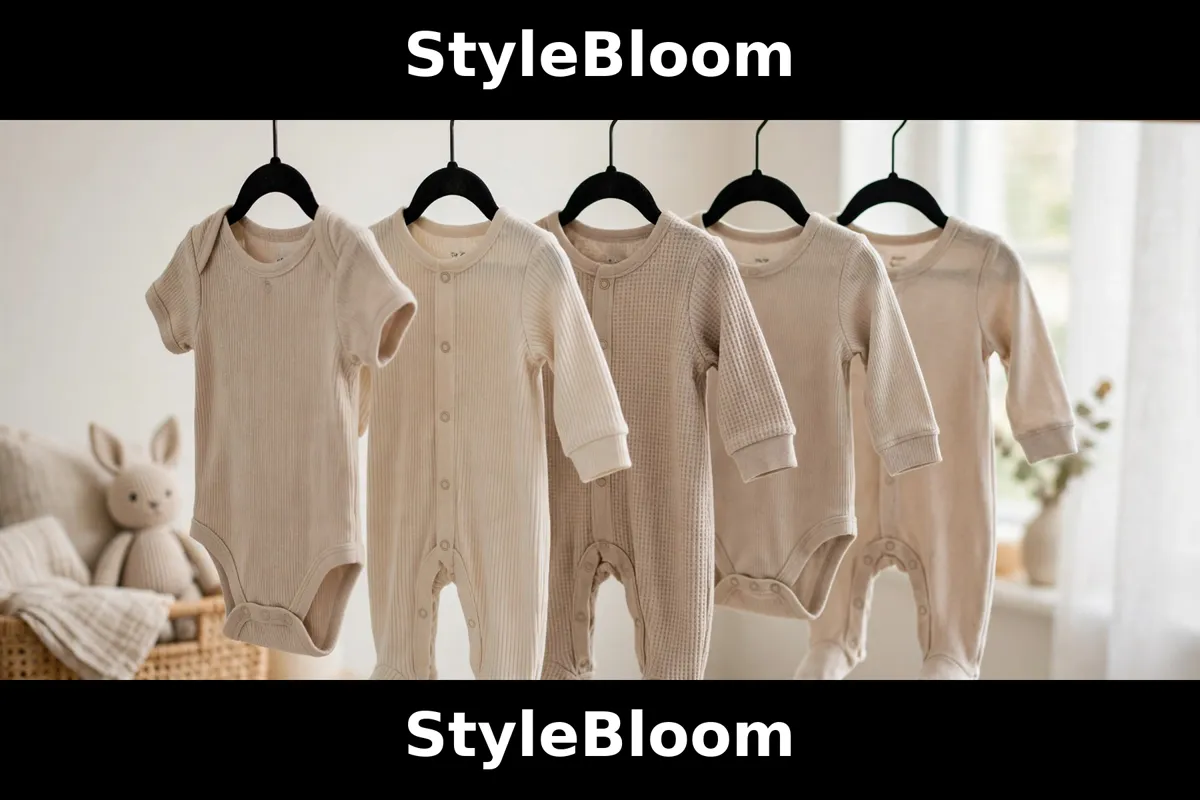
An infant velvet hanger is a slim hanger built for baby and toddler clothes, with a thin frame coated in a short velvet flocking. The flocking is the whole point: it grips fabric so a tiny onesie, a slippery sleep suit, or a dress with thin straps stays on the hanger instead of sliding to the floor of the closet. The frame underneath is usually plastic, the hook is usually steel and turns, and the shoulders are usually notched for straps. The product looks identical from one listing to the next, while the width, the flocking quality, and the fit vary enough to matter — which is why the buying decision goes wrong so often.
Two widths dominate everything actually sold for babies and children, and baby velvet hangers listings show both side by side. The baby width is 11 inches wide and about 6.7 inches tall, sold by Closet Complete as fitting babies from birth to 48 months. The kids width is 14 inches wide and about 7.4 inches tall, sold by the same maker as fitting children from 4 to 15 years old. Those two numbers are the anchors of this guide, because they are the only widths with a manufacturer behind them and a product line on either side. Every other number in this guide is measured against them. A third width appears in store listings without a maker's band behind it: 11.8 inches, sold as a baby hanger by Techzoo and others. Treat it as an 11-inch hanger with a slightly wider stance, and judge it by the garment measurement in the next section.
The thickness is the second number worth knowing. Closet Complete states its hangers are one-fifth of an inch thick. That slim profile is what makes velvet hangers a space tool as well as a grip tool: more hangers fit on the same rod, and baby clothes, which are small and light, do not need the deep shoulder of a wooden hanger. The trade-off is structural: a slim frame with a flocked coating carries less than a thick wooden frame, and the flocking itself is the part that wears. Both of those facts return later, in the weight section and the care section, where they decide real purchases.
One more distinction matters before any buying: infant velvet hangers are not the same product as adult slim velvet hangers cut down. Adult velvet hangers run about 17 inches wide, and hanging a newborn garment on one stretches the neckline and pushes the shoulder seams out past the hanger ends. The damage question — will adult hangers stretch baby clothes — answers itself once the widths are side by side. Buy the width that matches the garment, not the width that matches the adult closet.
Measure the garment, not the age
Age bands are the reason buyers end up with the wrong hangers. One maker says 11 inches fits birth to 48 months. A buying guide says a 16-to-18-inch hanger fits a 12-to-18-month-old. A store listing calls 14 inches a kids hanger and a different listing calls the same width a baby hanger. None of those claims can all be true, because age is a poor proxy for size: two children the same age wear different clothing sizes, and two garments with the same label have different shoulder widths. The measurement that settles it is on the garment, and it takes ten seconds.
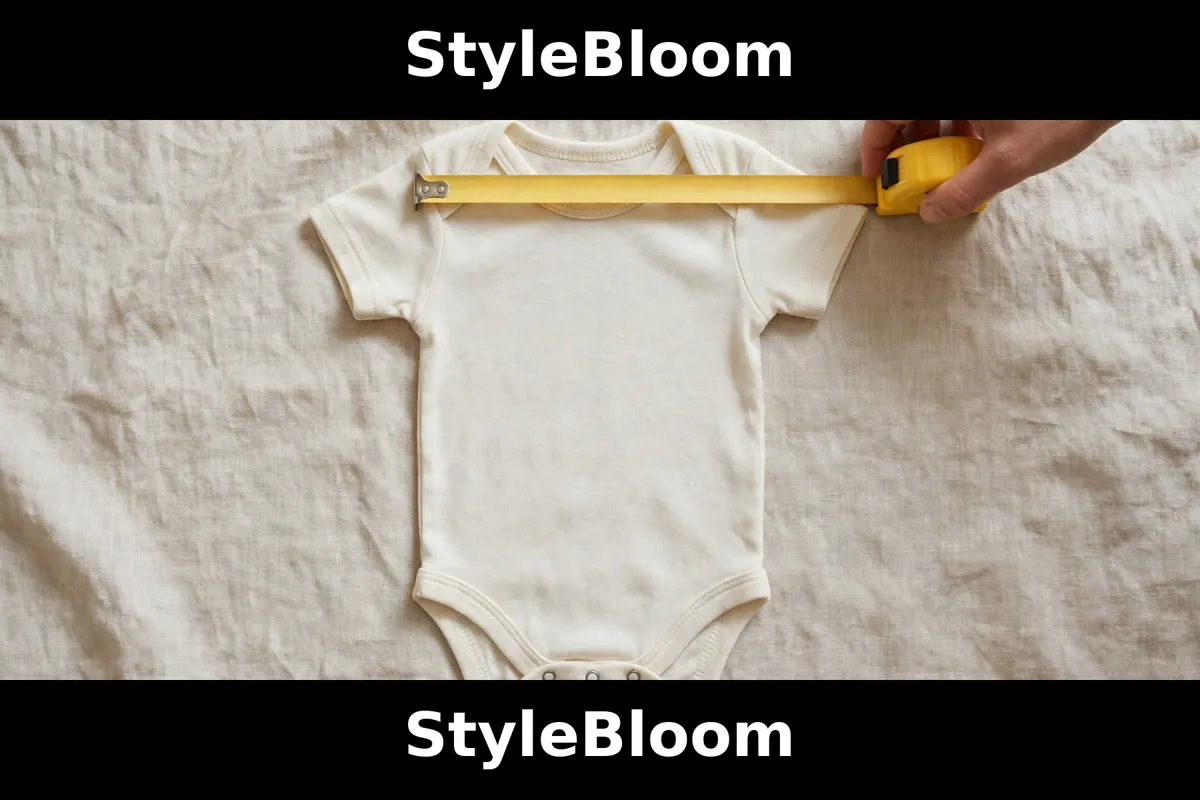
Lay the garment flat, buttoned or zipped, and measure straight across from one shoulder seam to the other. That number is the shoulder-seam width. Choose a hanger slightly narrower than it, so the ends stop just short of the seams. The Garment Hanger, the strongest methods source here, states the rule exactly that way, and its too-big and too-small signs, applied to infants below, are the check that the measurement worked.
Measure three garments, not one: a newborn onesie, a sleep suit, and whatever the child wears most right now. Onesies run narrow; sleep suits run wider at the shoulder because of the zip and the footed cut; the everyday garment is the one the hanger count will serve. If the three measurements cluster within an inch, one width serves the whole wardrobe. If they spread wider, the wardrobe spans two widths, and the quantity section splits the buy. Do not measure a coat for the everyday width; outerwear gets its own hanger, covered in the decision section.
Measure again when the clothing size changes, not when the birthday arrives: the move from 2T to 3T to 4T is where the 11-inch hanger starts to run out of room. Ten seconds with a tape measure, once per size change, replaces every age-band argument on every listing page.
The size chart: hanger width, clothing size, and seam width
The chart below is the only one this guide needs, and it is built from the evidence rather than from any single rival's ladder. The hanger widths are the widths actually sold with a maker's name behind them. The clothing sizes are the sizes those widths are sold against. The seam guidance is the measurement rule from the previous section, applied to each row. Where a rival's ladder disagrees, the notes name the rival and state why the claim was set aside.
| Hanger width | Clothing sizes it serves | Shoulder-seam guidance | Notes |
|---|---|---|---|
| 10 inches | Preemie and newborn | Seams under 10 inches | Grohanger's baby width. Buy only if newborn seams genuinely measure under 10 inches. |
| 11 inches | Newborn to 24 months, and 2T to 4T while the seams fit | Seams from 10 to about 12 inches | Closet Complete's baby width, banded birth to 48 months. The default first buy. |
| 11.8 inches | Same range as 11 inches | Same as 11 inches | A listing width, not a separate size. Judge it exactly like an 11-inch hanger; the extra width helps only garments at the top of the 11-inch range. |
| 14 inches | 4T upward, and any younger garment whose seams exceed the 11-inch hanger | Seams from about 12 inches upward | Closet Complete's kids width, banded 4 to 15 years. The size-up destination, reached by measurement, not by birthday. |
Read the chart by the seam column, not the clothing-size column, and check the specification width on any 11-inch velvet hanger listing before ordering, since titles and specifications do not always agree. The clothing sizes are the starting guess; the seam measurement is the decision. A 12-month garment with narrow seams stays on an 11-inch hanger. A 2T garment with wide seams moves to 14 inches even though the age band says it should not. That is the whole method, and it is why this guide does not reproduce the Chunky Deli ladder as its chart: that ladder assigns 14-to-16-inch hangers to 9-to-12-month-olds and 16-to-18-inch hangers to 12-to-18-month-olds, widths no velvet product in the evidence is sold at for babies, with no measurement method and no source. A ladder that cannot be bought and cannot be measured is not a buying guide. The chart above can be both.
Buy one width to start: the 11-inch hanger covers the newborn and toddler wardrobes until the seams say otherwise. Keep five 14-inch hangers in reserve once the child wears 2T; the reserve removes the week of stretched necklines between noticing the fit signs and the next delivery.
The 10, 11, and 14-inch confusion, settled
The confusion has three sources, and naming them is what settles it. The first source is the listings: store pages sell 11-inch, 11.8-inch, and 14-inch hangers side by side, all titled some variant of baby or kids, with no explanation of which garment each fits. Walmart's listings show all three widths, and the guide text on the same page says only to choose an appropriate size.
The second source is the age bands. Closet Complete bands the 11-inch hanger birth to 48 months and the 14-inch hanger 4 to 15 years. Grohanger says a baby hanger should be not larger than 26 centimetres, about 10 inches, and puts toddlers at 11 to 12 inches. Both are stated as rules rather than starting points. The seam measurement resolves the disagreement: a baby whose garments measure 10 inches across the seams takes the 10-inch hanger; a baby whose garments measure 11 takes the 11-inch. The band is the guess; the tape measure is the answer.
The third source is the guides that publish ladders without measurements. Chunky Deli's ladder is the example, and it is the most-shared version of the confusion: five rungs, each wider than the last, each tied to an age, none tied to a garment. A buyer who follows it buys hangers that do not exist at retail for the ages stated, then concludes the whole category is guesswork. It is not guesswork. It is two widths, one measurement, and one reserve width. Everything else in the listings is packaging.
The settled rule, in one paragraph: start with 11 inches for a newborn. Verify with the seam measurement on three garments. Move individual garments to 14 inches when their seams exceed what the 11-inch hanger holds without the ends pushing into the sleeves. Keep the 10-inch width for preemie and small-newborn garments only when the seams genuinely measure under 10 inches. Ignore any listing or guide that assigns a width by age alone without mentioning the seam.
Too big and too small: the signs on the garment
The measurement gets the buyer close; the garment confirms it. The signs below come from The Garment Hanger's fit method for children's clothes, applied here to infant garments, where the same physics holds at a smaller scale. Check the signs on a freshly hung garment after a day on the hanger, not the moment it goes up, because a stretched neckline and a shoulder bump both appear after the fabric has had time to settle under its own weight.
The hanger is too big when the ends push into the sleeves, when the neckline stretches wider than it lies flat, or when a bump forms on the shoulder where the hanger end presses. Any one of those signs means the hanger is holding the garment wider than the garment is cut, and the fix is the narrower width or, for a single wide garment, a different hanger for that garment alone. The hanger is too small when the shoulders droop past the ends, when the garment's weight hangs from the neck rather than resting on the shoulders, or when the garment slides off despite the velvet grip. Sliding on a velvet hanger is the most useful sign of all, because velvet's grip is the product's main claim: if a garment slides off a flocked hanger, the width is wrong, not the flocking.
Two cautions: hang only fully dry garments on velvet, because a damp garment droops and marks in ways that mimic a fit problem; and judge the fit on a standard onesie, not on a dropped-shoulder fashion piece that shows too-big signs on any hanger.
How many infant velvet hangers to buy
The only quantity number any rival publishes is Grohanger's: start with 30 to 40 hangers for a newborn. It is a reasonable starting point, but Grohanger gives no breakdown of hung versus folded, and its page is an AI-compiled list promoting its own hanger, so the number arrives without the reasoning to adjust it. The breakdown below supplies that reasoning; the pack sizes decide the buy, because the right quantity is the smallest pack combination covering the hung wardrobe plus a small reserve.
Start from what is actually hung: sleep suits for the week, day outfits, going-out sets, and anything that wrinkles if folded. Bodysuits, socks, leggings, and everyday basics usually live folded and need no hangers. A buyer who counts the whole wardrobe overbuys by half or more. Count the hung set only. Baby velvet hangers in 30-packs suit the typical wardrobe in the table below. For most newborn wardrobes that number lands between 20 and 30 garments, which is why Grohanger's 30 to 40 holds up once a reserve of about a quarter is added for laundry day.
| Wardrobe | Hung garments | First buy | Reserve |
|---|---|---|---|
| Small: mostly folded, few outfits hung | About 15 to 20 | One 25-pack of 11-inch hangers | 5 hangers held back for laundry day |
| Typical: a week of outfits hung, rest folded | About 25 to 30 | One 30-pack of 11-inch hangers | 5 hangers of the same width, plus 5 fourteen-inch hangers once 2T arrives |
| Large: most outfits hung, including multiples per size | About 40 to 50 | One 50-pack of 11-inch hangers | 5 fourteen-inch hangers held in reserve from the start |
The pack-size arithmetic matters more than it looks. A 25-pack covers the small wardrobe with room to spare; a 30-pack covers the typical wardrobe exactly; a 50-pack covers the large wardrobe and is the cheapest per hanger of the three in most listings, though this guide prints no prices and the buyer should compare the per-hanger cost of the pack sizes on the day, because pack pricing moves. Do not buy a 55-pack for a newborn wardrobe: the extra hangers sit unused until the size-up, when the width needed may have changed. Buy the width the garments need now, in the smallest pack covering the hung set plus the reserve.
When the wardrobe spans two widths, split the buy by the seam measurement: count the garments on each side of the line, buy those two numbers plus the reserve, and no more. A wardrobe in transition usually splits about three-quarters 11-inch to one-quarter 14-inch for a few months, then flips.
Nursery rod math: how many garments fit
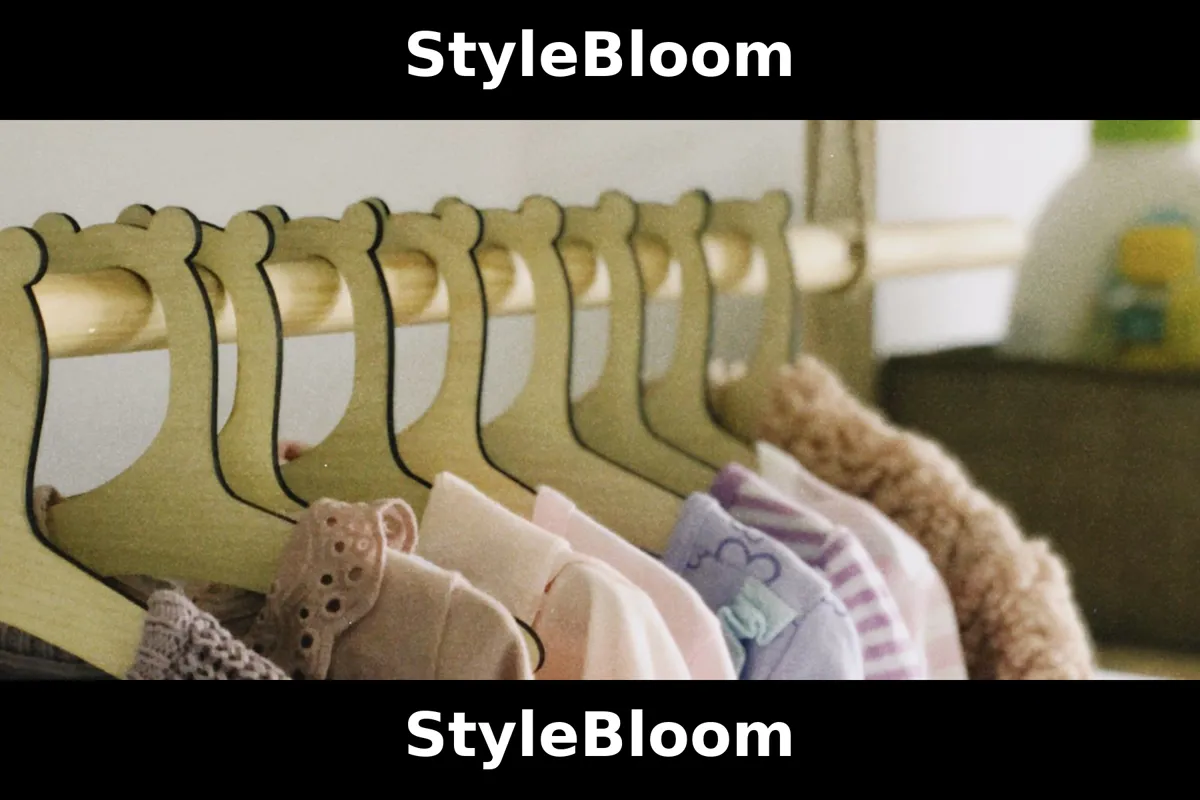
No rival page does nursery rod math. The adult version exists twice: Beddora claims a rod holding 30 plastic hangers holds 50 to 60 velvet ones, and StyleBloom's own closet guide measures about half an inch per garment on slim velvet against about one and a half inches on chunky hangers. Both are adult numbers that do not transfer directly to a nursery. The method transfers; the numbers must be measured, and this section gives the method with one worked example.
The method is rod length divided by pitch, where pitch is the width one hung garment actually occupies, hanger plus fabric. The hanger alone is one-fifth of an inch thick, but the pitch is always wider than the hanger, because the garment has bulk: a sleep suit at the shoulder is thicker than a bodysuit, and a going-out set with a cardigan is thicker than either. Measure the pitch the honest way: hang ten garments the way they will actually hang, press them gently together the way a closet holds them, measure the span they occupy, and divide by ten. That number is the pitch for that wardrobe on that rod. Divide the rod's usable length — the rod minus the brackets and the end caps — by the pitch, and the result is how many garments the rod holds.
The worked example uses StyleBloom's adult measurement as the conservative floor, not as a baby claim. At the adult guide's half-inch pitch, a 24-inch nursery rod holds about 48 garments, and a 36-inch rod holds about 60-plus garments, matching the adult guide's own figure. Baby garments run thinner, so a real nursery pitch usually measures smaller and the real count runs higher — but this guide prints no baby pitch figure it did not measure. Measure ten garments, divide, and the rod tells the truth for that wardrobe. Two corollaries. If the rod is full at 30 garments, the answer is the fold split, not a second rod. And velvet's space saving over plastic is smaller for babies than adult marketing suggests — plastic baby hangers are already thin — so most of the gain comes from the grip, not the thickness.
Velvet vs plastic for baby clothes
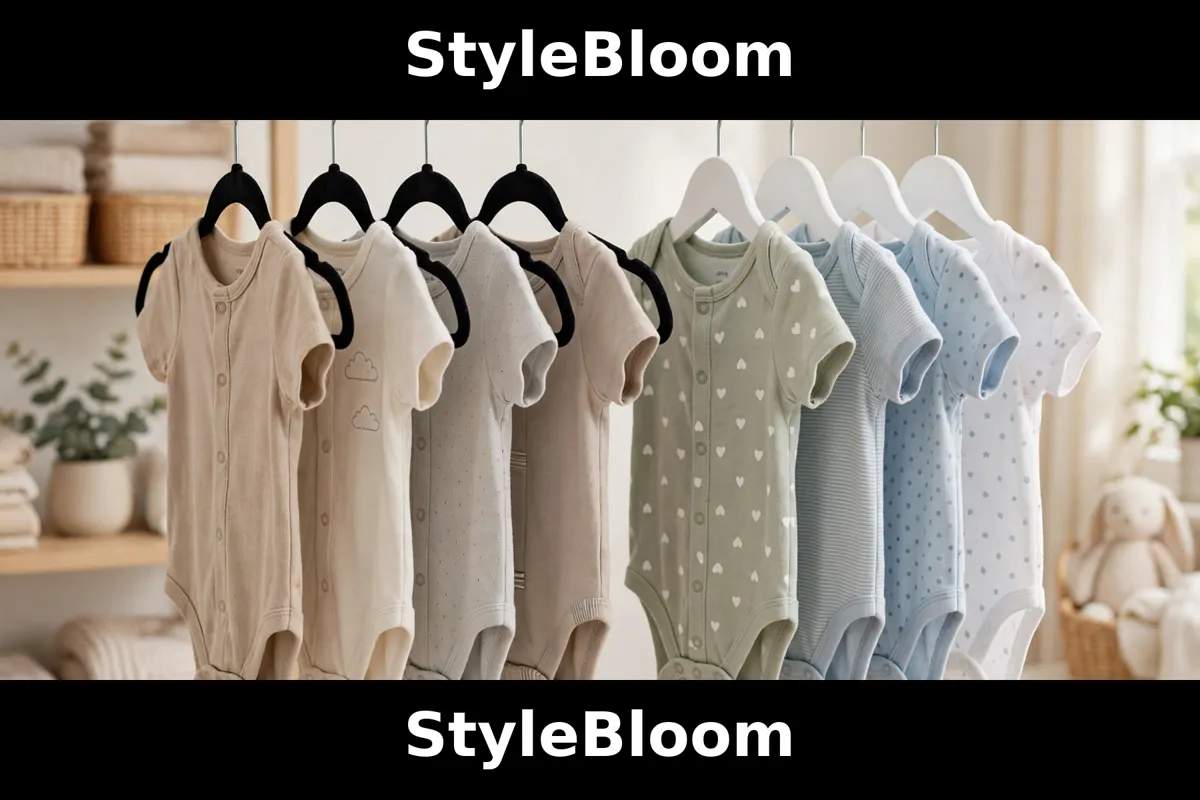
This is the comparison buyers actually ask about, and it has a real trade-off that most guides smooth over. Velvet wins on grip and on space. The flocked surface holds slippery fabrics — satin-trimmed sleep suits, silky dresses, thin-strapped tops — that slide off smooth plastic within hours, and the slim profile keeps the rod orderly. Plastic wins on two things velvet cannot match: sliding clothes on and off quickly, and surviving wet, messy use. A forum buyer put the trade-off in one sentence that every guide should quote in spirit: velvet keeps things from sliding off, but plastic is easier to slide clothes onto. Both halves of that sentence are true, and the buying decision is which half the buyer's day needs more.
The slide-on difference is practical. Dressing a baby often means guiding arms through sleeves one-handed and in a hurry. A smooth plastic hanger lets the garment slip on and off with no resistance. A flocked hanger grips at every touch — what keeps the garment in place overnight, and what slows the morning routine slightly each time. For the five or six daily-rotation outfits, that friction is felt daily. For going-out garments that hang for days, the grip is pure benefit. The split this guide recommends follows the use, not the material loyalty: velvet for everything that hangs and waits, a few smooth plastic hangers for the daily-rotation garments if the morning friction bothers the household, and no guilt about either choice, because the two materials serve different moments in the same wardrobe.
Durability splits the same way. Plastic hangers bend and can crack at the hook or lose shape after drops — cheap to absorb, since plastic is the cheapest per hanger of the three. Velvet hangers do not crack, but their flocking thins, sheds, and eventually shows bald patches, losing the grip that justified buying them. Neither material is the forever hanger; both are consumables with different wear patterns.
The environmental question buyers ask — whether plastic hangers leach microplastics — has no evidenced answer in this research, and this guide will not repeat a claim it cannot source. What can be said with evidence is simpler: the most sustainable hanger is the one that fits and is not replaced early, because every early replacement is a second manufacturing run.
The three-way decision: which hanger, for what
Wood wins on exactly two things: strength and shape. A wooden hanger holds a coat or a full going-out set without flexing, and its deep shoulder supports a structured garment the way a slim flocked frame cannot — which is why the split below keeps two or three wooden hangers for the heavy pieces and velvet for everything else. Chunky Deli notes the same balance from the other side: wood is durable and classic, but can be too heavy for a baby wardrobe, where a heavy hanger holding a two-ounce garment is a hanger wearing the garment. One warning: painted or varnished wood can transfer colour to light garments and unfinished wood can snag knits, so rub a light, damp cloth over a wooden hanger before the first garment goes on it. The table below rates the three materials on the criteria that decide a baby wardrobe, drawn from the rival evidence: grip and space from Beddora and the retailer pages, durability from Chunky Deli and The Garment Hanger, care from Walmart and The Garment Hanger. No rating is a laboratory result; the decision rule under the table is the part to act on.
| Velvet | Plastic | Wood | |
|---|---|---|---|
| Grip on slippery fabrics | Best: flocking holds satin, silk-trim, and thin straps | Weakest: smooth surface lets garments slide | Weak: smooth surface, little grip |
| Rod space | Best: one-fifth inch thick | Good: thin, slightly thicker than velvet | Weakest: several times thicker |
| Sliding clothes on and off | Slowest: grip resists every movement | Fastest: frictionless | Fast: smooth, but heavy to handle |
| Strength for heavy pieces | Weakest: slim frame flexes; flocking is the wear point | Middle: bends, can crack at the hook | Best: holds coats and full sets without flexing |
| Care | Most care: lint, spot-clean only, never soak | Easiest: wipe with a damp cloth | Easy: dust, keep dry |
| Best use in a baby wardrobe | Everything that hangs and waits | Daily rotation and wet or messy use | Coats and structured sets only |
The decision rule is a split, not a single material. Start with velvet for the hanging wardrobe, in the quantity the quantity section calculates. Keep a few smooth plastic hangers for the daily rotation and anything hung damp, because plastic alone tolerates moisture without consequence. Keep two or three wooden hangers for coats and structured sets. That split is this guide's recommendation, sized for a baby wardrobe from the evidence here — Beddora's adult 80-percent-velvet rule points the same way, but it is an adult rule — and the buying checklist turns it into a pack list.
Weight limits: what the ratings actually mean
Two vendor ratings exist in the evidence, they contradict each other, and the contradiction is the finding. Home Depot's listing for the SIMPLIFY kids 25-pack states the hangers hold up to 10 pounds per hanger. Beddora's adult guide states a standard slim velvet hanger is rated approximately 2.5 kilograms, about 5.5 pounds. Both are vendor claims, neither is independently tested in the evidence, and a buyer who repeats either one as a fact is repeating a marketing figure. This section states both claims with their sources, explains why the contradiction barely matters for baby clothes, and gives the practical rule that does matter.
It barely matters because a single baby garment weighs a small fraction of either rating. A onesie, a sleep suit, or a day outfit hung alone never approaches 5.5 pounds, let alone 10, and no baby garment in normal use tests a velvet hanger's weight capacity at all. The rating matters only above one garment: a full going-out set hung as one unit, a coat, or a bundle hung together to save rod space. Those loads flex a slim frame, and they are the loads the wood hangers exist to carry. The practical rule is therefore a load rule, not a number: one garment per velvet hanger, always; a set hung as a unit goes on wood; a coat goes on wood; and if a velvet hanger visibly bows under a load, the load was too much for that hanger regardless of what any rating says.
Two cautions. The 10-pound figure belongs to a kids pack listing and the 2.5-kilogram figure to an adult guide; neither was published for the 11-inch baby hanger, and this guide assigns neither rating to the baby width. And weight capacity is not flocking durability: the retirement signals in the care section, not the weight rating, decide when a hanger leaves the closet.
How to clean velvet hangers, and when to retire them
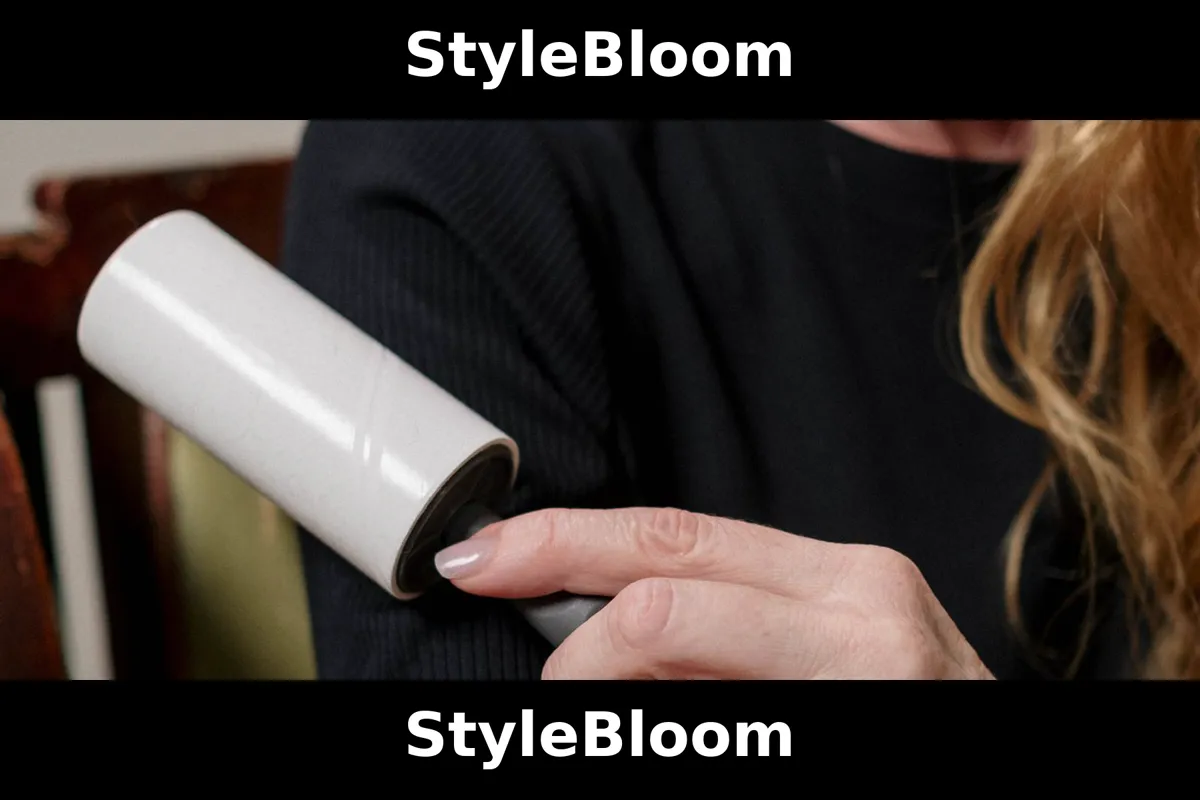
Velvet hangers shed, and the qualification is the flocking quality: Grohanger states high-quality velvet typically does not shed while lower-quality flocking may leave fibers, and The Garment Hanger gives the test — check for shedding, dye transfer, and bald patches before trusting a hanger with a garment.
The test takes two minutes per pack, not per hanger. Rub a dark, lint-prone garment — a navy or black cotton piece is ideal — firmly over the flocking of three or four hangers from the pack, then hold it to the light and look for fibers and colour transfer. Then rub a white, damp cloth over the same hangers and check the cloth for dye. Then look at the flocking itself under a bright light for thin spots and bald patches where the frame shows through. A pack that sheds visibly, transfers dye, or shows bald patches on arrival goes back: flocking does not improve with wear, and week-one fibers will be on every dark garment by month two. A pack that passes all three checks is a pack to trust, with the retirement signals in the next section as the ongoing check.
Two buying details reduce the shedding risk before the test. First, dense, even flocking sheds less than sparse flocking that shows the frame beneath it; hold a hanger to the light before buying where possible, and favour the pack whose coating looks uniform. Second, colour matters: a black or dark flocking on light garments is the highest-risk combination for visible transfer, and a neutral or light flocking is the safer default for a wardrobe that mixes dark and light clothes. Neither detail replaces the test. Both make the test more likely to pass. Keep a lint roller with the closet supplies regardless, because even a good pack sheds a few fibers in its first weeks, and the roller is the fastest way to deal with them.
Velvet care is the most restrictive of the three materials, and the restrictions are consistent across every source that states them: Walmart's guide, Chunky Deli's care section, and The Garment Hanger's cleaning treatment all agree on the same short list. Use a lint roller or soft brush for dust and fibers. Spot-clean with a damp cloth and mild soap, never soaking, and air-dry fully before it returns to the rod. Avoid harsh chemicals and heat, and do not overcrowd the rod: compressed flocking wears faster and holds dust. The list is short because velvet gives few options — water attacks the flocking adhesive, heat sets the damage, scrubbing removes the coating.
The retirement signals matter more, because a worn velvet hanger fails silently: it looks fine while its grip is gone. Retire a hanger when the flocking shows bald patches, sheds fibers after the first weeks, feels smooth and slick instead of grippy, or when the frame is bent or cracked. The Garment Hanger states the bald-patch and shedding signals as replacement rules, and this guide adopts them as rules. A retired hanger goes in the bin, not to the back of the closet for overflow. Check the flocking once a season, when the wardrobe turns over a size, and retirement becomes part of a routine already running.
Plastic hangers wipe clean with a damp cloth and tolerate the wet jobs velvet cannot; wooden hangers dust clean and must be kept dry.
When to size up: the 11-inch to 14-inch triggers
The size-up has three triggers, and any one is enough: everyday garments reaching 2T with seams crossing 12 inches; fit signs on the 11-inch hanger, meaning that garment has outgrown the width whatever its label says; or the age-band backstop — Closet Complete bands the 14-inch hanger from 4 years, so a child approaching 4 should gain a few in reserve, because the transition arrives within months either way. The trigger table below states all three side by side, because buyers trust a table they can check over a rule they must remember.
| Trigger | What to check | Action |
|---|---|---|
| Clothing size | Everyday garments reaching 2T, seams approaching 12 inches | Add 5 fourteen-inch hangers; move the widest garments first |
| Fit signs | Ends in sleeves, stretched neckline, shoulder bumps on the 11-inch hanger | Move that garment to 14 inches immediately, whatever its size label |
| Age band backstop | Child approaching 4 years, even if garments still fit | Hold 5 fourteen-inch hangers in reserve; the transition arrives within months |
| Reverse check | A garment sliding off the 14-inch hanger or drooping past its ends | That garment stays on 11 inches; the wardrobe spans both widths for a while |
The transition is a period, not a day: for several months the wardrobe spans both widths, the new 2T and 3T garments on 14 inches and the remaining 12-month pieces on 11. Do not throw the 11-inch hangers away at the first 14-inch purchase, and do not buy a full 14-inch set until the seam count says the wardrobe has mostly crossed. Count the garments on each side of the line, buy those two numbers, and let the line move. Kids velvet hangers in the 14-inch width are the reserve buy, and they are bought once, early, and then forgotten until the seams call for them.
The buying checklist
Buy in this order. First, measure three garments seam to seam and confirm the 11-inch width. Second, count the hung set and choose the pack size from the quantity table — 25, 30, or 50. Third, check the width in the listing specifications, not the title. Fourth, check thickness and hook: one-fifth of an inch thick, a steel hook that turns, notched shoulders. Fifth, run the shedding and dye test on arrival. Sixth, hold five 14-inch hangers in reserve once 2T arrives.
The pack-size decision is where money is most often wasted. Infant velvet hangers are sold in packs from 10 to 55, and the listing that looks like the best value is usually the largest pack, which is the right buy only for the large wardrobe. For the typical wardrobe, a 30-pack of baby velvet hangers in the 11-inch width covers the hung set plus the reserve, and the money saved against the 50-pack buys the 14-inch reserve pack. Compare the per-hanger cost across pack sizes on the day of purchase, because pack pricing moves and this guide prints no prices; the arithmetic takes thirty seconds and it is the only price comparison this guide recommends. A 30-pack that covers the wardrobe beats a 55-pack that fills a drawer. Non-slip velvet hangers for babies is the search that surfaces the widest choice of widths and pack sizes; filter the results by the specification width, not by the title, and the checklist does the rest.
What not to buy on the first order: a second width before the first measurement, a mixed-width bundle whose widths are unstated, a pack whose flocking looks sparse in the listing photographs, and any hanger whose specifications omit the width entirely. A listing that will not state its width is a listing that has not earned the order.
Mistakes that waste money
Buying adult-width hangers for baby clothes is the most expensive mistake, because it damages garments while looking like a saving: a 17-inch hanger stretches every neckline it holds, and the damage appears after the return window closes. Buying by age band alone is the second: the band is a guess, the seam is the answer, and every guide that assigns a width by age without mentioning the seam should be read as a starting point, not a rule. Buying the largest pack first is the third: the extra hangers sit unused until the size-up, and the size-up may need a different width. Soaking velvet hangers to clean them is the fourth: water attacks the flocking adhesive, and a soaked hanger never grips the same way again. Hanging a full set or a coat on a slim velvet hanger is the fifth: the frame bows, the flocking wears at the pressure points, and the garment ends up on the floor. Keeping retired hangers for overflow is the sixth: a hanger with bald patches has no grip. Overcrowding the rod is the seventh: compressed flocking wears faster and hides the fit signs.
Every one of those mistakes is avoidable with the method in this guide: measure, count, test, and retire on signals. None of them requires spending more. Most of them are avoided by spending less, on the right width, in the right pack size, at the right time.
Bottom line: measure the garment seam to seam and start with 11 inches. Count the hung set and buy the smallest pack covering it plus a reserve. Split the rod by use: velvet for everything that hangs and waits, a few plastic hangers for the daily rotation and wet jobs, two or three wooden hangers for coats. Test every pack for shedding and dye, retire hangers on bald patches and slick flocking, and move garments to 14 inches when the seams or fit signs say so. No rival page in this research wrote the whole system down in one place.
What to try first: Measure three garments seam to seam, count the hung set, and order the pack size the quantity table gives. Good looks like: garments resting on the hangers with no stretched necklines, nothing sliding to the floor, and the rod holding the week with room to spare. If it fails: re-measure the seams and check the fit signs — the width is wrong, not the material. Learn next: Closet Organization Ideas — the adult rod math and the weekend reset for the whole closet.
Frequently asked questions
- What size are infant hangers?
- Infant hangers are sold at 10, 11, and 11.8 inches wide, with 14 inches as the kids width. Start with 11 inches and verify by measuring the shoulder seam to seam; the hanger should be slightly narrower than the seam width.
- What size hangers for newborn clothes?
- An 11-inch velvet hanger serves most newborn clothes. If preemie garments measure under 10 inches across the seams, a 10-inch hanger fits better.
- Do velvet hangers work for baby clothes?
- Yes, for the garments that hang and wait: the flocked surface grips slippery fabrics and thin straps that slide off smooth hangers. They work less well for the daily-rotation garments that go on and off in a hurry, where the same grip slows dressing.
- Are velvet hangers better than plastic ones?
- Velvet is better for grip and rod space; plastic is better for sliding clothes on and off quickly and for wet or messy use. Most baby wardrobes want both: velvet for the hanging wardrobe, a few plastic hangers for the daily rotation.
- Are velvet hangers better than wood?
- Velvet is better for grip, space, and everyday baby garments. Wood is better for coats and heavy structured sets, where its strength and shaped shoulder carry weight a slim velvet frame cannot. Keep two or three wooden hangers for the heavy pieces.
- Do velvet hangers ruin or damage clothes?
- A correctly sized velvet hanger does not damage clothes. Damage comes from the wrong width: an adult hanger stretches necklines, a too-big hanger bumps shoulders. Measure the garment and the risk disappears.
- Do velvet hangers shed fibers onto clothes?
- Lower-quality flocking can shed, and high-quality flocking typically does not. Test every new pack before the first wear by rubbing a dark garment over the flocking and checking for fibers and dye transfer, and retire any hanger that sheds after the first weeks.
- How many hangers do I need for a newborn?
- Start with 30 to 40 for a typical newborn wardrobe, counting only garments actually hung, plus a reserve for laundry day. A small wardrobe needs a 25-pack; a large one a 50-pack.
- Will adult-sized hangers stretch out baby clothes?
- Yes. An adult velvet hanger is about 17 inches wide, far wider than a baby garment's shoulder seams, and hanging a newborn garment on it stretches the neckline and pushes the seams out. Use the 11-inch width for baby clothes.
- Do I need different hangers as my child grows?
- Yes, once: from the 11-inch baby width to the 14-inch kids width, when the garment seams exceed what the 11-inch hanger holds or when the fit signs appear. The wardrobe spans both widths for a few months during the transition.
- How do I clean velvet baby hangers?
- Use a lint roller or soft brush for everyday dust. Spot-clean marks with a damp cloth and mild soap, never soak the hanger, and air-dry fully before it returns to the rod. Avoid harsh chemicals and heat.
- How long do velvet hangers last?
- Until the flocking wears: retire a hanger on bald patches, shedding after the first weeks, or a smooth, slick feel. The flocking, not the frame, decides the hanger's life.
- What are the cons of velvet hangers?
- They slow sliding clothes on and off, need gentle care and cannot be soaked, carry less than wood, and wear to bald patches. Workarounds: plastic for the daily rotation, wood for heavy pieces, retirement on signals.
- Are baby hangers necessary?
- They are necessary for garments that hang: going-out sets, dresses, anything that wrinkles folded. The folded half — bodysuits, socks, leggings — needs no hangers, and buying hangers for those is the most common overbuy.
- When should I switch from baby to kids hangers?
- When any of three triggers fires: garments reach 2T with seams approaching 12 inches, fit signs appear, or the child approaches 4 years. Move the widest garments first.