Last updated: October 29, 2026. This guide covers standard sofas, loveseats, sectionals, and chaises sold in the USA.
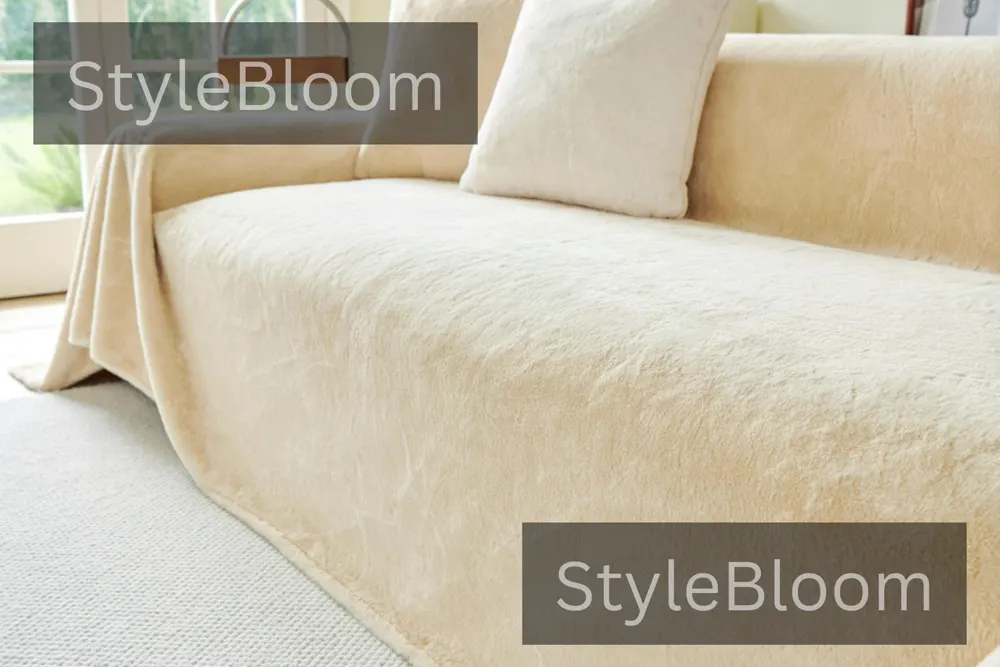
If your sofa is structurally sound but looks tired, stained, or simply the wrong color for the room you live in now, a slipcover is the fastest honest fix: a good one costs a fraction of a new couch, goes on in an afternoon, and comes off for washing. Buy a stretch cover with separate cushion covers if you want the closest thing to reupholstery; buy a one-piece stretch cover if you want the easiest install and the lowest price; and buy a quilted two-piece sectional kit if you own an L-shape or chaise. The single thing that decides whether you love the result or hate it is not the brand — it is the measuring. Measure the seat width, the backrest width, the arm width, and, for sectionals, each side separately, and compare those numbers to the size chart before you order. Almost every slipcover disappointment I have seen in buyer guides and owner discussions comes back to one of three things: the wrong size, a recliner or sleeper mechanism that no cover can handle, or expecting a thin stretch fabric to survive dog claws like armor. Get the size right, pick the fabric for your actual household, and a slipcover genuinely transforms a room.
As an Amazon Associate, StyleBloom earns from qualifying purchases made through links on this page, at no extra cost to you. That support keeps these guides free and independent.
Start here, then read the section that matches your sofa. Every link below is an Amazon search link so you can compare current listings, colors, and size charts yourself — I am not naming one "best" product because the right cover depends on your measurements.
| Your situation | What to buy | Why |
|---|---|---|
| Standard 3-seat sofa, you want it to look tailored | Separate-cushion (multi-piece) slipcover | Individual cushion covers hold their shape when people sit, so the sofa reads as reupholstered rather than draped. |
| Any standard sofa, easiest install, lowest fuss | One-piece stretch slipcover | Elastic fabric forgives small measuring errors and goes on fast; the trade-off is a softer, less formal silhouette. |
| L-shaped sectional or chaise | Two-piece sectional kit | One standard cover cannot cover two directions at once; kits treat each side as its own piece. |
| Dogs or cats on the furniture daily | Quilted furniture protector | Thicker, padded fabric takes fur, muddy paws, and frequent washing better than thin stretch knits. |
| Spills are the main worry (kids, drinks, food) | Water-resistant or waterproof cover | Look for the exact wording: water-resistant slows a spill; waterproof is built to block it. They are not the same claim. |
| Loveseat (shorter than a full sofa) | Loveseat-sized slipcover | A full-sofa cover on a loveseat leaves bunched, sagging excess fabric that never looks right. |
| You want a dressier, velvet look | Velvet or plush stretch cover | Richer texture and a more formal look; check the care label, because some plush fabrics need gentler washing. |
| Your cover keeps sliding off | Foam tuck sticks / anti-slip grips | Foam pipes tucked into the creases between seat and back, and between seat and arms, are the oldest reliable fix for sliding. |
Every cover on the market is a variation of four ideas. Understanding them saves you from comparing dozens of listings that are, underneath, the same product in different colors.
These are knit fabrics — most commonly polyester blended with spandex — that pull over the whole sofa like a fitted sheet. Their strength is forgiveness: if your sofa is an inch or two outside the stated range, the stretch usually absorbs it, and installation takes minutes rather than an afternoon. Their weakness is shape. Because one piece of fabric covers the base and the cushions together, the seat area can shift and wrinkle when people sit down and stand up, and over months of heavy use the knit can relax and bag slightly on the most-used cushion. They look best in relaxed, casual rooms and on secondary sofas, guest-room couches, and rentals where easy washing matters more than a tailored silhouette.
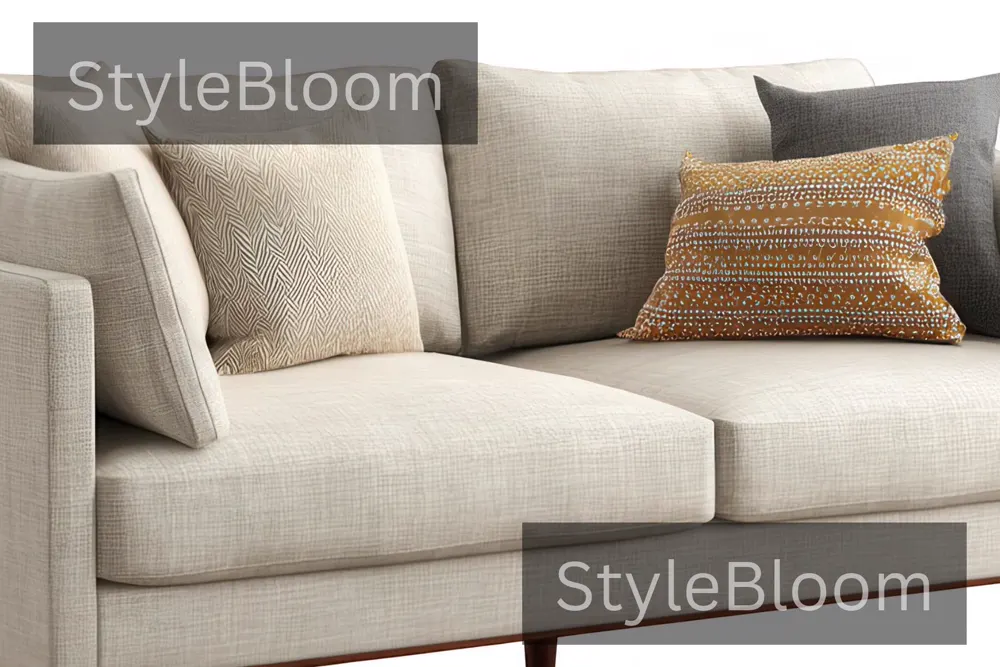
These sets include a cover for the sofa body plus individual covers for each seat cushion, and sometimes for the back cushions too. This is the design that most convincingly mimics real upholstery, because the cushion covers stay put independently when someone sits: the fabric does not drag across the whole seat. The trade-off is fitting effort and sizing strictness. You need to match not just the overall width but the seat width — the distance across the sitting area — because each cushion cover is cut for a specific cushion size. If your cushions are an unusual width, a multi-piece set can fit the body and fail on the cushions. For a main living-room sofa that guests actually see, this is usually the type worth the extra effort.
Quilted covers are padded, often reversible, and built for protection first and looks second. They drape over the sofa rather than hugging it, and they are the type most often sold explicitly for homes with dogs and kids. The padding absorbs some impact, the quilting hides wrinkles, and the fabric is usually chosen for frequent machine washing. What they do not do is make a sofa look reupholstered — they read as a protective layer, and in a formal living room that can look out of place. In a family room where the dog sleeps on the couch every night, that trade is usually the right one.
Custom covers are made to order for a specific sofa model or for measurements you supply, sometimes from a template of your actual sofa. They are the only option that reliably fits antiques, unusual arm shapes, curved backs, or oversized frames, and they can use heavier upholstery fabrics like cotton duck or twill. They cost several times more than ready-made covers and take weeks. The honest rule: go custom when your sofa is genuinely outside standard dimensions or when the sofa itself is worth protecting — a quality frame you would otherwise keep for years. For an ordinary standard sofa, a well-measured ready-made cover gets you most of the way there for a small fraction of the cost.
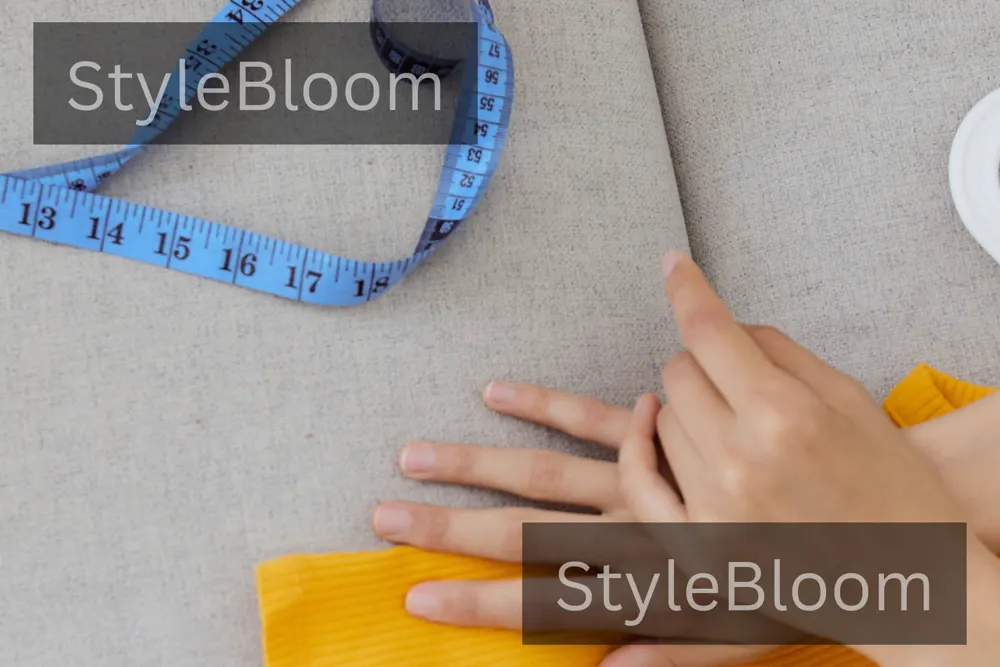
Do this before you look at colors. You need a soft tape measure, a pen, and five minutes. Measure over the sofa as it is — cushions on, arms bare — and write every number down, because size charts use different measurements and you will need all of them.
Then compare all of your numbers to the listing's size chart — not just one. If any single measurement is outside the stated range, that cover does not fit your sofa, even if the overall width matches. Two more rules from painful experience across buyer guides: first, when you are between sizes, the smaller size usually looks better than a baggy larger one, because stretch fabric can give a little but cannot take fabric away. Second, keep the packaging until you have fitted the cover and sat on it for an evening, because a return without packaging is often refused.
Two more measuring situations trip people up. The first is falling between sizes: if your seat width sits exactly on the boundary between two sizes, choose based on your sofa's shape rather than flipping a coin — a sofa with slim track arms and tight cushions usually takes the smaller size better, while a sofa with plump, overstuffed cushions usually needs the larger size, because the cushions themselves consume fabric. The second is a skirted base or removable legs: measure with the legs on if you plan to keep them on, since removing legs changes the back height and the way the cover's bottom edge sits, and a cover cut for a skirted base will pool at the floor on a legged sofa. If your sofa has a skirt, note that in your measurements rather than assuming the cover will hide it — a skirt under a cover creates bulk at the bottom that shows as an uneven hem.
Sectionals are where most slipcover purchases go wrong, so this section is deliberately long. A standard one-piece cover cannot cover an L-shape, because the sofa runs in two directions and one piece of fabric cannot turn a corner and stay taut. What works is a two-piece sectional kit: one piece for the main sofa run, one for the chaise run, each measured separately.
For a sectional you need, for each side: the backrest width, the chaise length (from the back to the front of the extended seat), and the chaise width. Listings commonly size sectional kits by backrest width — for example, small, large, and extra-large kits keyed to backrest widths — so that number matters more than the total length of the sectional. You also need to know your orientation: stand facing the sofa and note whether the chaise sticks out on your left or your right. Many kits are reversible and fit either side, but some are not, and a left-facing kit on a right-facing chaise is a return, not a workaround.
Three corner cases deserve plain warnings. Recliners: a reclining sofa or a sofa with a reclining section generally cannot be slipcovered — the moving mechanism needs clearance the cover blocks, and the cover bunches dangerously around the footrest. Buy a recliner-specific protector or skip the cover. Sleeper sofas: the fold-out bed mechanism makes a fitted cover impractical; a loose throw-style protector is the realistic option. Attached chaise with no gap: if the chaise is fully attached with no seam or gap between it and the main run, a two-piece kit may not sit cleanly, because the pieces are designed to tuck into that gap. Check for a gap before ordering.
Also be honest about loveseats: a loveseat is not a small sofa for cover purposes. Covers are cut per seat count, and a three-seat cover on a two-seat loveseat leaves fabric pooling at the sides and sagging at the arms. Buy the loveseat size, even if the sofa size is on sale.
Let me be blunt, because pet owners are the buyers most often oversold: no ordinary slipcover is claw-proof. A determined dog digging to nest, or a cat kneading with claws out, will eventually snag any knit or quilted fabric. What a good cover does is change the damage from "ruined sofa" to "replaceable cover," and that is still a very good deal — replacing a cover costs far less than reupholstering or replacing a sofa.
Within that honest limit, some choices genuinely hold up better. Thicker quilted microfiber resists snagging better than thin single-knit stretch, because there is more material for a claw to catch without tearing through. Tighter weaves snag less than loose, open knits. Darker colors and subtle patterns hide fur between washes far better than white or cream, which is why pet-specific covers are mostly sold in grays and browns. And fit matters for pets too: a loose, sliding cover becomes a toy — dogs pull at the excess fabric — while a snug cover with foam tuck sticks stays put and gets ignored.
Fur is a separate problem from claws. Smooth, tightly woven fabrics release fur in the wash more easily than velvety or fleece-like textures, which grab fur and hold it. If your main battle is fur on everything, favor smooth microfiber over plush velvet, and wash the cover on its own so the fur does not transfer to the rest of the laundry. For accidents, the wording on the listing is everything: "water-resistant" means the fabric slows a liquid down and gives you time to blot it up; "waterproof" means there is a barrier layer designed to block it. A water-resistant stretch cover will not save a sofa from a full bladder accident. If accidents are regular, use a waterproof protector underneath a washable cover — two layers, each doing its own job.
One more pet reality: wash frequency. A cover that lives under a dog needs washing far more often than the "every few months" rhythm of a child-free, pet-free home. Buy with that in mind — if you know you will wash weekly, buy two covers so one is always on the sofa while the other is in the laundry. That single habit prevents more "the cover is in the wash and the dog is on the bare sofa" disasters than any fabric choice.
One more piece of pet advice that rarely appears in buying guides: wash the cover once before the first fitting. New fabric carries a factory smell that humans barely notice and dogs investigate obsessively — a fresh cover straight from the package often gets sniffed, pawed, and nested in far more than the same cover after one wash. Let the washed cover sit on the sofa for an evening before you make a fuss about it, and give the dog its usual blanket on top for the first few days. You are not training the dog to accept the cover so much as letting the cover become uninteresting background, which is exactly what you want. The same logic applies to cats: a cover that smells like the factory is a novel object to knead; a cover that smells like your laundry is just part of the sofa.

Kids create a different wear pattern than pets: less claw damage, more stains, and stains of a wider variety — juice, chocolate, markers, mystery stickiness. The practical answer is the same shape as the pet answer, with one addition: stain treatment speed matters more than stain-proof fabric. No cover is proof against a marker left overnight. What works is a cover you can strip off in two minutes, throw in the wash, and have back on the sofa the same day.
That points to two choices. First, machine-washable is non-negotiable — if a cover is dry-clean-only, it does not belong in a house with small children, no matter how beautiful it looks. Second, medium tones and small patterns hide the stains you miss far better than solid white, and a second cover in rotation means the sofa is never bare while one cover is drying. Wash frequency in a young-kid household is typically weekly for the most-used sofa, and that is normal, not a sign you bought the wrong cover. If weekly washing sounds exhausting, that is useful information: it means you should buy the cheaper, tougher cover you will happily wash, not the delicate one you will resent.
For food and drink stains specifically, blot first, never rub — rubbing pushes the stain deeper into the fibers and spreads it. Cold water for most stains; hot water sets protein stains like milk. These are laundry basics, but they matter twice as much with slipcovers because the cover is the thing standing between the stain and your sofa's actual upholstery.
Listings throw blend percentages at you as if they were quality scores. They are not, but they do tell you something useful if you know how to read them.
| Fabric | What it feels like and does | Best for | Watch out for |
|---|---|---|---|
| Polyester-spandex stretch knit (the common blend) | Soft, stretchy, wrinkle-resistant, holds color well | Everyday family sofas, rentals, easy installs | Thin versions can look shiny; heavy use can relax the knit over time |
| Velvet / plush stretch | Rich texture, dressier look, soft hand-feel | Formal living rooms, a luxe refresh | Grabs pet fur; check the care label for gentler washing |
| Quilted microfiber | Padded, matte, durable, forgiving of wrinkles | Pet homes, family rooms, frequent washing | Reads as a protector, not as reupholstery |
| Cotton or cotton duck (usually custom) | Natural feel, breathable, structured drape | Tailored custom covers, natural-fiber preference | Less stretch, so sizing must be exact; can wrinkle |
| Waterproof barrier layers | A hidden layer that blocks liquid | Accident-prone households, incontinence, heavy spill risk | Can feel crinkly or warm; confirm it is the cover itself, not a separate pad |
Two things the blend percentage does not tell you: fabric weight and construction quality. A heavier knit (more fabric per square area) generally drapes better and resists shifting than a feather-light one, but listings rarely state weight clearly — owner photos and review mentions of "thin" versus "thick" are often more informative than the percentage. And "spandex content" is not a quality score either: very high stretch can mean a cover that fits everything loosely rather than one thing well. Read the blend as a rough guide to feel and care, then judge fit from the size chart and owner photos.
Sunlight deserves its own warning, because it is the slowest and least reversible form of cover damage. A sofa sitting in direct sun through a south- or west-facing window will fade any cover over time, and the fading is uneven — the back cushions facing the window lighten while the seat stays darker, which looks worse than overall fading. Dark colors show this first, which is ironic given that dark colors are the practical choice for pet and kid households. If your sofa lives in strong sun, favor medium tones over very dark ones, rotate the cushions if your set allows it, and accept that a sun-exposed cover is a consumable with a shorter life than the same cover in a shaded room. Patterns help here too: a subtle pattern breaks up fading so the eye does not catch it as quickly as it catches a fading solid color.
A slipcover's second life starts in the laundry, and most fit problems after the first wash are laundry problems, not manufacturing problems. The rules that appear across nearly every care label are consistent: machine wash cold on a gentle cycle, mild detergent, no bleach, and tumble dry low — or line dry if you can. High heat is the enemy: it shrinks cotton and relaxes spandex, and a cover that fit perfectly can come out of a hot dryer a size smaller.
Three habits protect the fit. First, close any zippers before washing so they do not snag the fabric. Second, wash the cover alone or with similar soft items — washing it with jeans or towels causes pilling and lint transfer. Third, put the cover back on the sofa while it is still very slightly damp: the fabric stretches into place more easily and dries to the shape of your sofa, which is exactly how you want it to set. If the cover has foam tuck sticks, remove them before washing and reinsert them after — they are not laundry items.
Color deserves one note: wash a new cover alone the first time. Dyes, especially dark grays, navy, and burgundy, can bleed on the first wash, and you do not want that first wash to include your white laundry. After the first wash, the color is usually stable, and the cover's real, lived-in color is the one you will see every day — judge the color after washing, not straight out of the package.
A slipcover is a cosmetic and protective layer. It is not furniture repair, and pretending otherwise wastes money. Here is the honest boundary:
On the other side of the ledger, the "repair or replace or cover" math is worth doing honestly. A quality sofa frame with worn fabric is the ideal slipcover candidate: new foam inserts plus a good multi-piece cover can give years of additional life for a small fraction of replacement cost. A cheap frame that is already failing is not — put the cover money toward the replacement fund instead. And reupholstery, done properly, costs several times more than a cover and makes sense when the sofa is a quality piece or an antique worth preserving, not when a ready-made cover would do.
Slipcovers are one of the few decorating moves that make complete sense for renters: no landlord permission needed, no damage to the underlying furniture, and the cover moves with you to the next place (as long as the next sofa is a similar size — measure again, because it rarely is exactly). For renters with a landlord-provided sofa in a color they did not choose, a cover is often the only realistic way to make the room feel like theirs.
Seasonal refreshes are the other underrated use. A light linen-look cover for summer and a heavier, warmer-toned cover for winter changes a room's whole feeling for the price of a dinner out, and stored covers take up little space folded flat. If you go this route, buy both covers in the same size from the same style family, so the fit knowledge from the first one transfers to the second. And the second-cover rule applies year-round: for any sofa that gets washed weekly — pets, kids, or both — a second cover in rotation is not a luxury, it is the system that keeps the sofa covered while the first one dries.
For shoppers comparing options on Amazon, these searches cover the main variations: a chaise lounge cover for single chaises, a pet-friendly washable cover for daily animal traffic, a custom slipcover route for odd shapes, and replacement cushion covers when only the cushions are worn and the body is fine.

Run through this list with the listing open in front of you. If you cannot tick every box, you are not ready to order yet — and that is a good thing, because an unhurried order is almost always the one that stays on the sofa.
A sofa slipcover is one of the highest-value purchases in home decorating — if you buy the right type for your sofa shape and your household, and if you measure properly first. For most American living rooms, the best starting point is a separate-cushion stretch set for a standard sofa, or a two-piece quilted kit for a sectional, in a medium tone you can wash without worry. Measure seat width, backrest width, arm width, and each cushion; check chaise orientation for sectionals; read "water-resistant" and "waterproof" as different claims; and keep the packaging until you have lived with the fit for an evening. Do those things and a slipcover does what it promises: a room that looks new, a sofa that survives pets and kids, and money that stays in your pocket instead of going to a replacement couch.
No. Standard sofas, loveseats, and sectionals with ordinary shapes fit ready-made covers well, but recliners, sleeper sofas, antiques, and highly irregular frames usually do not. If your sofa has a moving mechanism or an unusual shape, check the corner cases in this guide before ordering.
Measure overall width, seat width (inside arm to inside arm), seat depth, back height, arm width, and each seat cushion's width, then compare all of those numbers to the listing's size chart. Seat width matters most for separate-cushion sets, and any single measurement outside the stated range means that cover does not fit.
A one-piece stretch cover pulls over the whole sofa and forgives small measuring errors, but the seat fabric can shift when people sit. A separate-cushion set has individual covers for each cushion, so it stays in place and looks closer to real upholstery, but it needs exact cushion measurements.
Yes, but not with a standard one-piece cover. You need a two-piece sectional kit — one piece for the main run and one for the chaise run — with each side measured separately, including backrest width, chaise length, and chaise width.
Stand facing the sofa: if the chaise extension sticks out on your left, it is left-facing; on your right, right-facing. Many kits are reversible and fit either side, but if a listing is not reversible, ordering the wrong orientation means a return.
No ordinary slipcover is claw-proof. A determined dog or cat will eventually snag any knit or quilted fabric. The real benefit is that the damage lands on a replaceable cover instead of the sofa itself, and thicker quilted microfiber holds up better than thin stretch knits.
Water-resistant fabric slows a spill down and gives you time to blot it up; waterproof means there is a barrier layer designed to block liquid. They are different claims, and a water-resistant cover will not save a sofa from a full accident — for that, use a waterproof protector under a washable cover.
Most ready-made covers are machine washable: cold water, gentle cycle, mild detergent, no bleach, tumble dry low. Avoid high heat, which shrinks cotton and relaxes spandex, and put the cover back on while slightly damp so it dries to your sofa's shape.
Generally no. Reclining mechanisms need clearance that a fitted cover blocks, and fold-out bed mechanisms make fitted covers impractical. For recliners, look for recliner-specific protectors; for sleepers, a loose throw-style protector is the realistic option.
Buy the size that matches your seat count. A three-seat cover on a two-seat loveseat leaves bunched, sagging excess fabric, and a loveseat cover on a full sofa will not stretch far enough. Seat count is a size, not a suggestion.
Sliding is usually a fit or friction problem, not a mystery. A snug size helps most, and foam tuck sticks pushed into the creases between seat and back, and between seat and arms, hold the fabric in place. Loose, oversized covers slide no matter what you add.
No. A cover hides sagging for a short time and then sags in exactly the same place. Fix the frame or replace worn cushion inserts first — new foam inserts plus a good cover is a genuinely effective combination, and far cheaper than a new sofa.
It is worth it when your sofa is outside standard dimensions, has unusual arms or curves, or is a quality piece worth preserving for years. For an ordinary standard sofa, a well-measured ready-made cover gets most of the way there for a small fraction of the cost.
In a pet or young-kid household, weekly washing of the most-used sofa's cover is normal. That is why a second cover in rotation is so useful: one is always on the sofa while the other is in the laundry, so the bare sofa is never exposed.
Yes — slipcovers are one of the most renter-friendly decorating moves. They need no landlord permission, cause no damage to the underlying furniture, and move with you, as long as you re-measure for the next sofa, which is rarely exactly the same size.